
Species · GBIF taxon 2403490
European Conger
Conger congerAlso known as Conger Eel, European Conger Eel
European congers are massive, muscular predators that spend daylight hours concealed in rocky crevices, shipwrecks, and deep reefs before emerging at night to hunt. They undergo a dramatic transformation at sexual maturity, ceasing to feed, absorbing their skeleton and teeth, and migrating thousands of kilometers into deep oceanic basins to spawn once and die. Their formidable jaws and rows of conical teeth make them apex ambushers among temperate marine structures.
MarineNocturnalCarnivorous
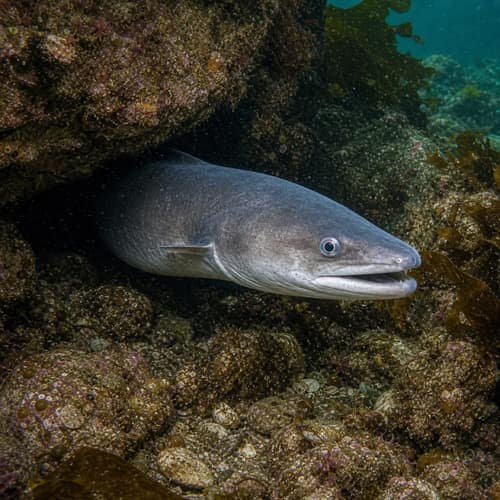
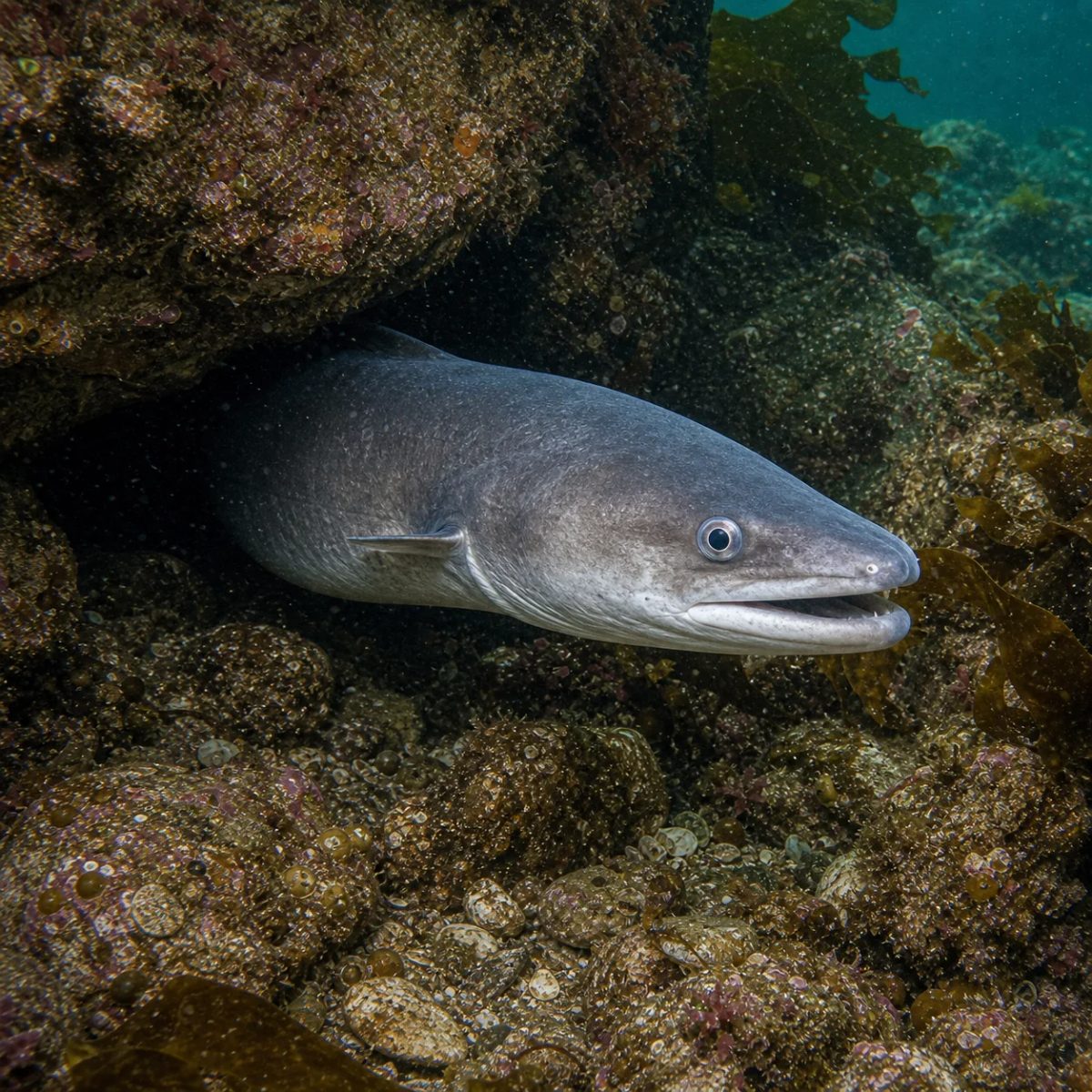
Licensed referenceMatthieu Sontag / CC BY 3.0 · CC BY 3.0
—observations
—countries
—peak records
Least ConcernConservation statusIUCN Red List categoriesLCNTVUENCREWEXLeast ConcernRed List categories, explained →
Diet & prey
- Common octopus
- Atlantic cod
- Crabs
Predators
- Sharks
- Toothed whales
- Seals
ThreatsCommercial and recreational fishing, bycatch in trawls and longlines
HabitatsRocky reefs, deep boulder fields, shipwrecks, continental shelves
Life span15–20 years
Classification
- FamilyCongridae
- SpeciesConger conger
Range data is not available yet.
Interaction riskLow
- Low
- Moderate
- High
- Very high
- Why interaction risk is low
- Powerful jaws can deliver a severe, lacerating bite if provoked; observe without cornering or hand-feeding.
- Why it is dangerous
- Congers have massive jaw muscles and razor-sharp conical teeth that can inflict deep lacerations and crush fingers.
- How to recognize a risky encounter
- Recognize by the scaleless, grey-to-black cylindrical body, dorsal fin starting near the pectoral fins, and broad snout.
- What to do
- Keep hands clear of crevices and landing nets; never attempt to pet or hand-feed individuals while diving.
Responsible observation
- Diving Etiquette: Maintain a respectful distance from crevices and never reach inside holes.
- No Hand-Feeding: Avoid offering bait, as congers possess poor vision and powerful crushing bites.
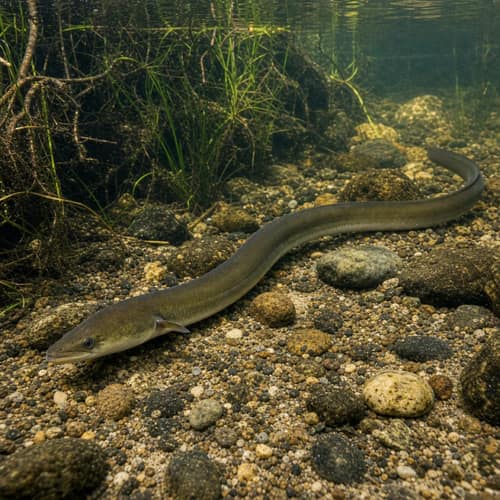
Same Order Bernard Dupont / CC BY-SA 2.0 · CC BY-SA 2.0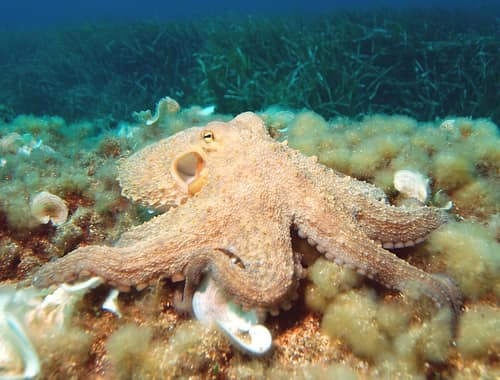
Prey albert kok / CC BY-SA 3.0 · cc-by-sa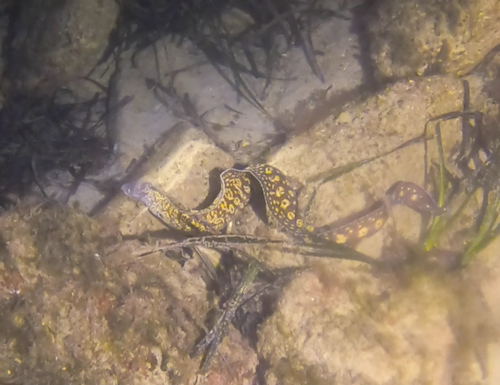
Competitor (c) Jack Byrley, some rights reserved (CC BY) · cc-by Image unavailable
Close Relative
Help improve the field guideSomething wrong?
Checking your Fauna account…Report a name, category, or profile issue for review.