
Invertebrate
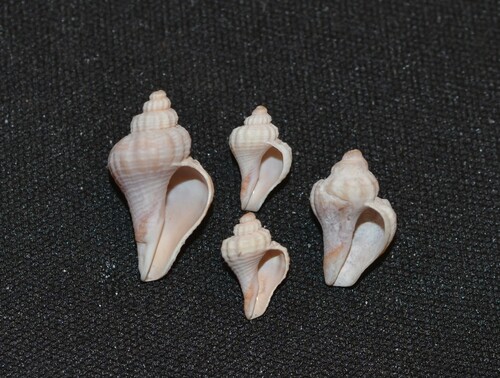
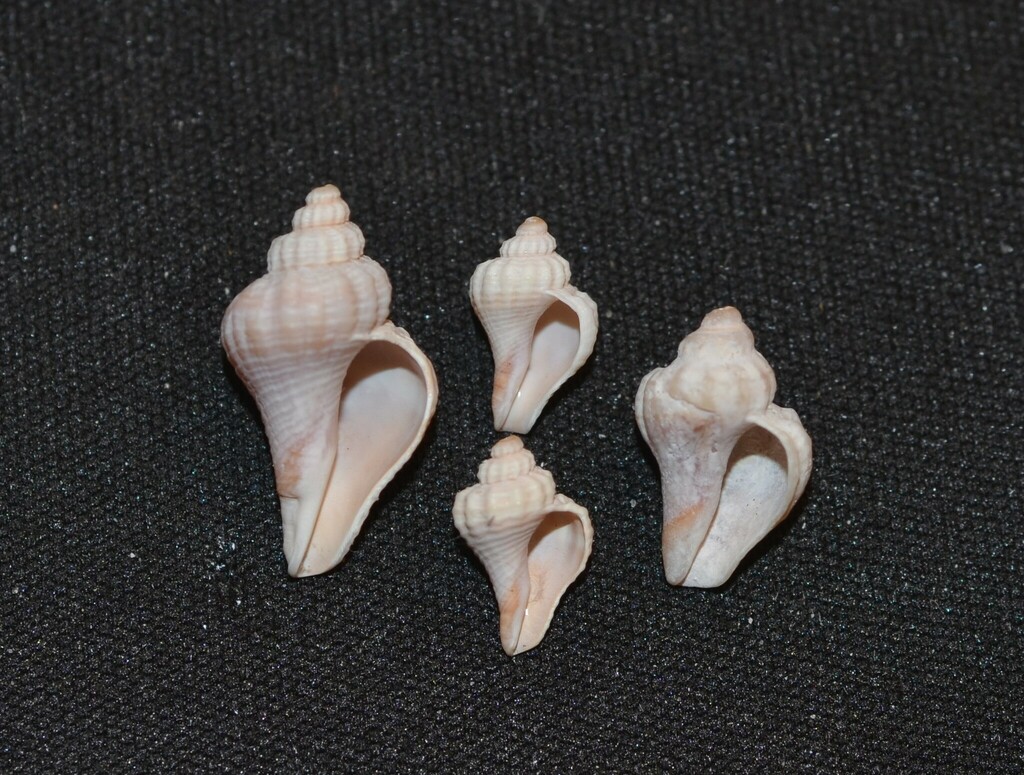
American Crown Conch
Melongena coronaAlso known as Florida Crown Conch, Crown Conch
American crown conches prowl muddy shallows, mangrove roots, and oyster bars along subtropical coastlines, using a keen sense of smell to locate carrion and live bivalves. They wield a sturdy shell lip and an extendable proboscis to pry into prey shells and rasp away meat with a file-like radula. Unlike true conches which are herbivores, these predatory snails actively shape estuarine food webs and tolerate dramatic shifts in salinity and temperature.
MarineCarnivorousIntertidal
—observations
—countries
—peak records
Not EvaluatedConservation statusIUCN Red List categoriesLCNTVUENCREWEXNot Evaluated — not placed on the risk ladderRed List categories, explained →
Diet & preyEastern Oyster, Ribbed Mussel, Marsh Periwinkle
Predators
- Stone Crab
- Blue Crab
- Loggerhead Sea Turtle
ThreatsCoastal development, runoff pollution, and loss of oyster beds
HabitatsOyster reefs, salt marshes, mangrove swamps, and tidal flats
Life span10–20 years
Classification
- FamilyMelongenidae
- SpeciesMelongena corona
Range data is not available yet.
Interaction riskLow
- Low
- Moderate
- High
- Very high
- Why interaction risk is low
- Safe to observe at a normal distance.
Responsible observation
- Observation: Look along oyster bars and exposed mudflats during low tide when adults actively crawl and feed.
- Shell Handling: Avoid taking live animals from the wild; return any temporarily inspected conch gently back to its substrate.
- Tide Awareness: Watch tidal schedules carefully when wading out onto mudflats to avoid getting stranded.
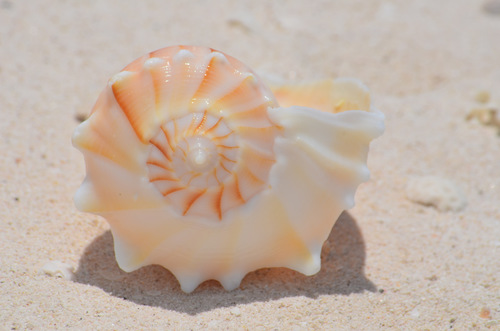
Competitor (c) B. Phalan, some rights reserved (CC BY), uploaded by B. Phalan · cc-by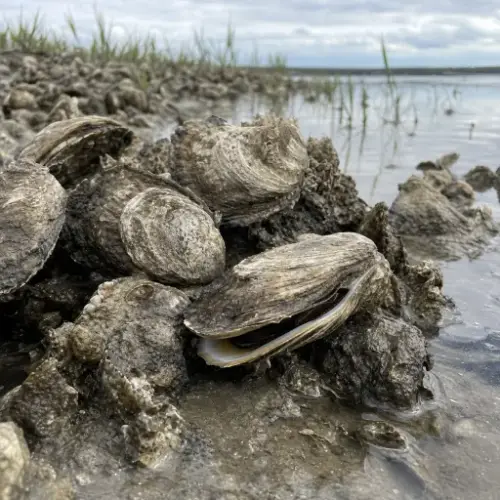
Prey Unknown / CC-BY · cc-by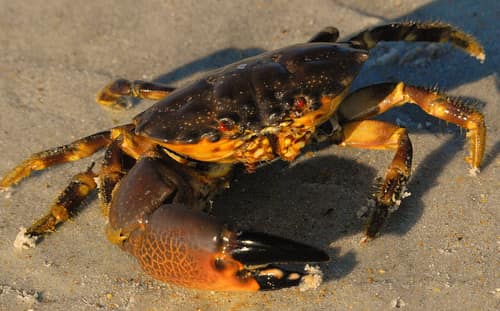
Predator Andrea Westmoreland from DeLand, United States / CC BY-SA 2.0 · cc-by-sa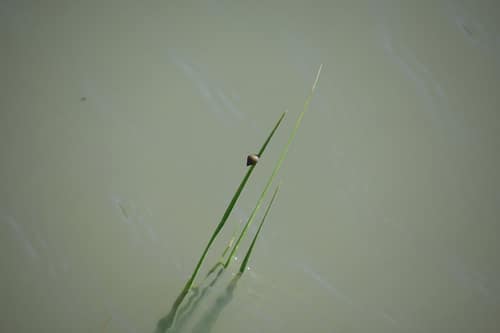
Prey (c) Bobby McCabe, some rights reserved (CC BY) · cc-by
Help improve the field guideSomething wrong?
Checking your Fauna account…Report a name, category, or profile issue for review.