
Species · GBIF taxon 5188174
Sea Biscuit
Clypeaster rosaceusAlso known as Fat Sea Biscuit, Brown Sea Biscuit, Inflated Sea Biscuit
These plump, dome-shaped echinoderms glide slowly over sandy seafloors and seagrass meadows, using thousands of tiny, fur-like spines to move and shovel food. Their thick, reddish-brown bodies feature a distinct five-petaled pattern on the upper surface, which houses the respiratory tube feet. Often found half-buried, they play a vital role in aerating marine sediments as they sift through sand for organic debris.
MarineInvertebrateBenthic
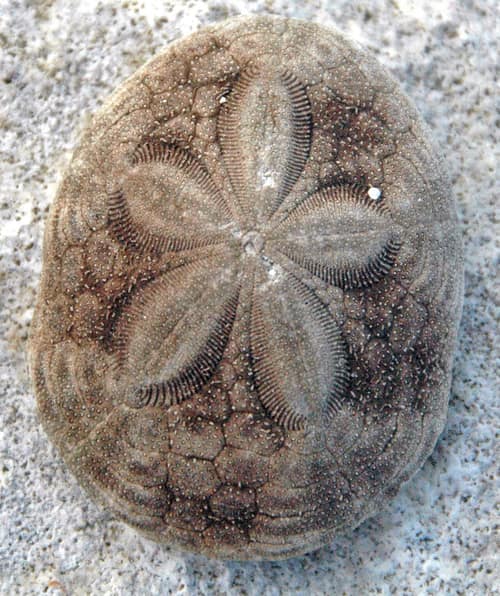
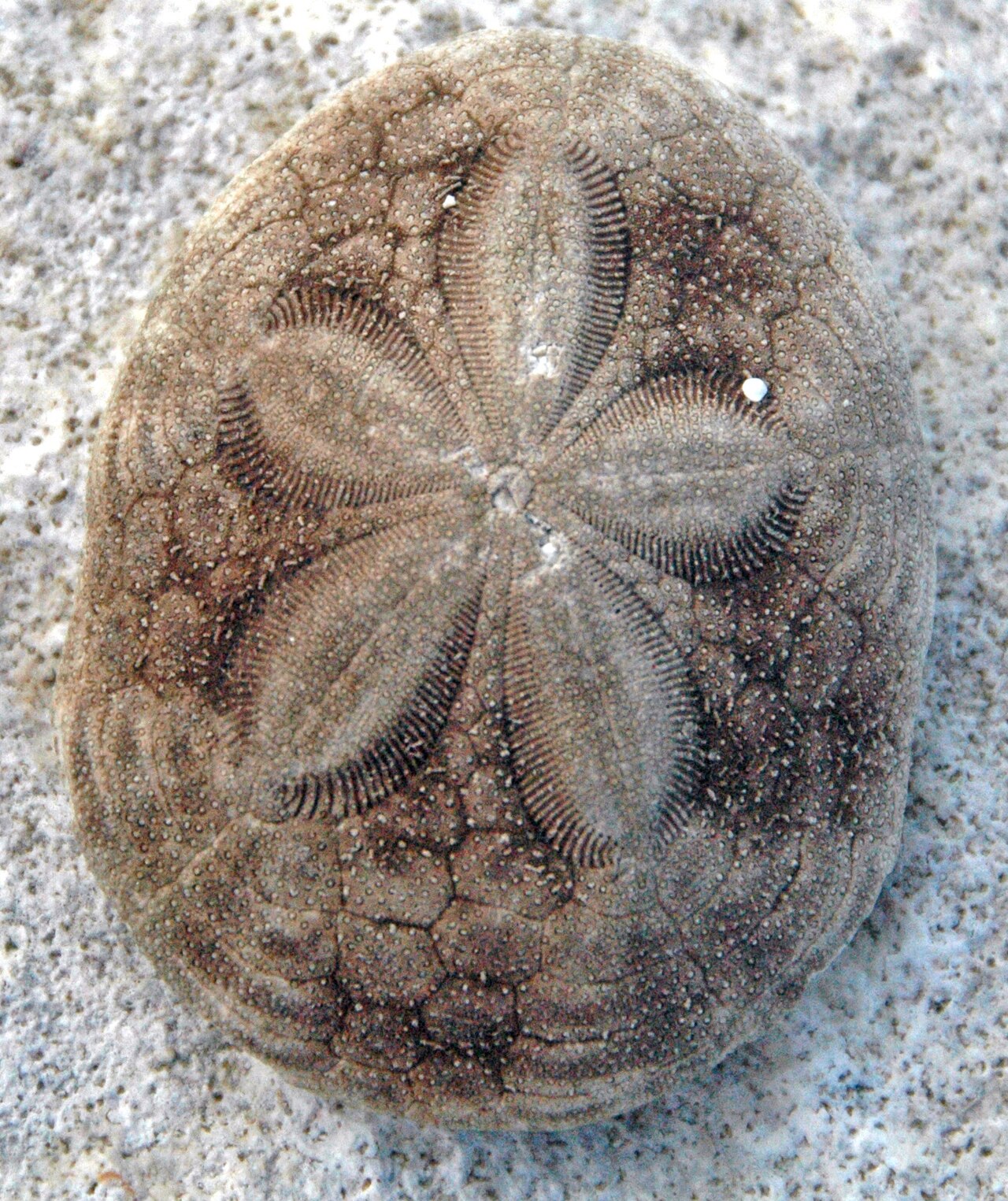
Licensed referenceJames St. John / CC BY 2.0 · cc-by
—observations
—countries
—peak records
Not EvaluatedConservation statusIUCN Red List categoriesLCNTVUENCREWEXNot Evaluated — not placed on the risk ladderRed List categories, explained →
Diet & prey
- Detritus
- Microalgae
- Benthic diatoms
Predators
- Seastars
- Large crabs
- Bottom-feeding fish
ThreatsHabitat degradation, coastal development, and collection for the souvenir trade
HabitatsShallow sandy bottoms, seagrass beds, and coral reef flats
Life spanUp to 10 years
Size / weightNot available
Classification
- FamilyClypeasteridae
- SpeciesClypeaster rosaceus
Range data is not available yet.
Interaction riskLow
- Low
- Moderate
- High
- Very high
- Why interaction risk is low
- Safe to observe at a normal distance.
Responsible observation
- Look for movement: Watch the tiny, hair-like spines on the underside to see how they slowly glide across the sand.
- Handle with care: If lifting a live specimen, keep it submerged in water and return it gently to its exact spot.
- Check for life: Live sea biscuits are covered in a felt-like coating of short brownish spines; white, bare tests are dead.
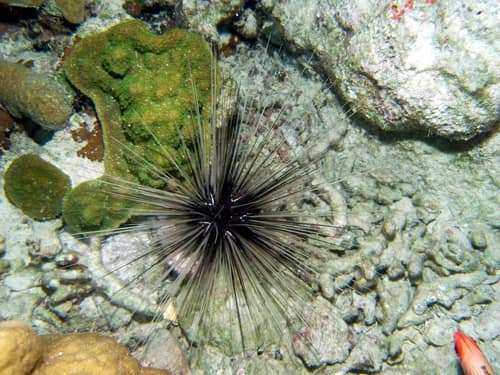
Co-occurring Urchin (c) Greg Grimes, some rights reserved (CC BY-SA) · cc-by-sa Image unavailable
Co-occurring Urchin 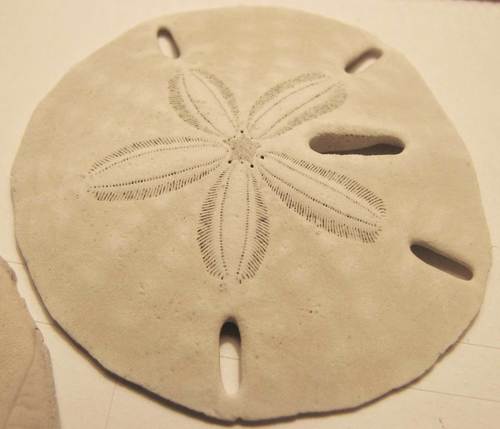
Close Relative (c) Sharon Mooney (see User:Edwardtbabinski), some rights reserved (CC BY) · cc-by
Help improve the field guideSomething wrong?
Checking your Fauna account…Report a name, category, or profile issue for review.