Species · GBIF taxon 2279048
Keyhole Sand Dollar
Mellita quinquiesperforataAlso known as Five-holed Sand Dollar, Keyhole Urchin
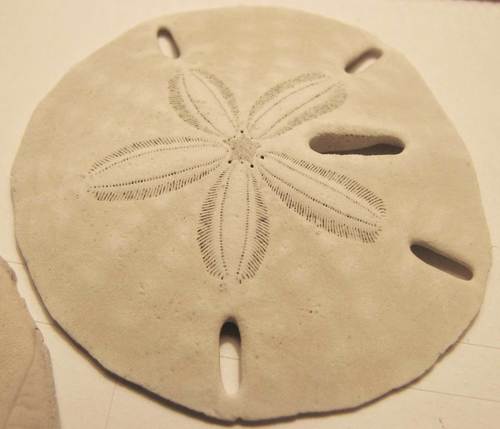
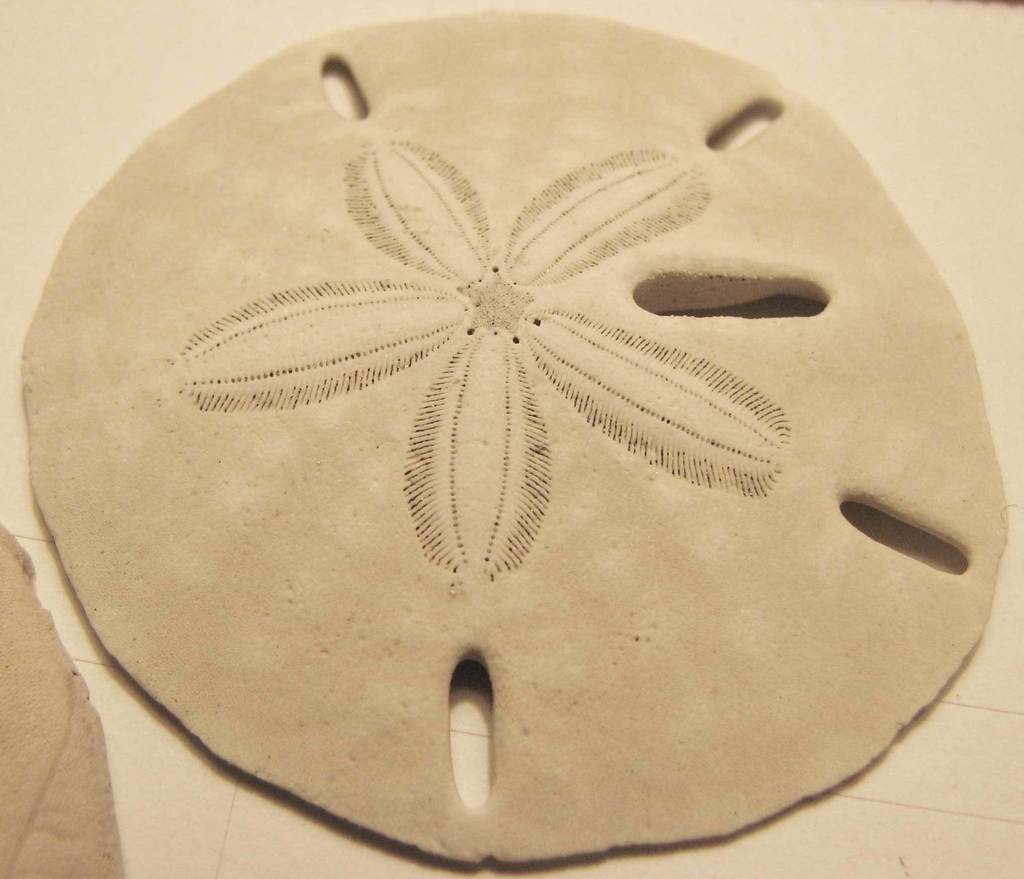
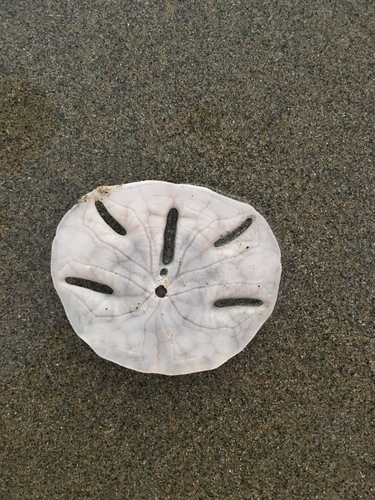
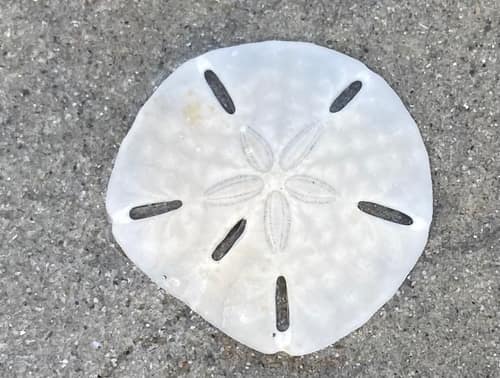
Keyhole sand dollars are flat, disc-shaped echinoderms easily recognized by the five oblong perforations, or lunules, piercing their skeletons. They live just beneath the surface of shallow, sandy coastal waters, using thousands of tiny, hair-like spines to burrow and channel microscopic food toward their central mouths. When flipped by strong waves, these resilient creatures sense the water currents and use their spines to slowly right themselves back into the sand.
MarineBurrowingInvertebrate
—observations
—countries
—peak records
Not EvaluatedConservation statusIUCN Red List categoriesLCNTVUENCREWEXNot Evaluated — not placed on the risk ladderRed List categories, explained →
Diet & prey
- Diatoms
- Microscopic algae
- Organic detritus
Predators
- Gulls
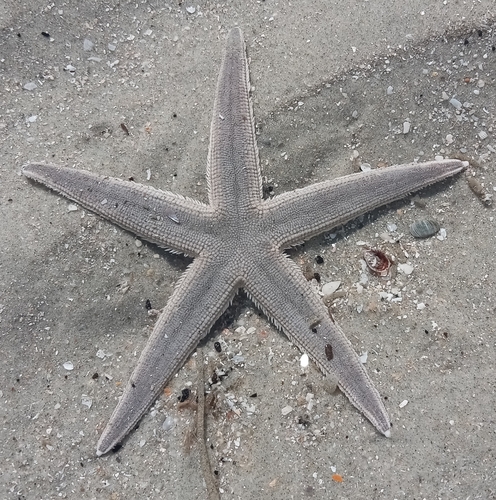
- Sea stars
- Bottom-feeding fish
ThreatsCoastal development and bottom trawling
HabitatsShallow sandy ocean floors and estuaries
Life spanUp to 10 years
Size / weightNot available
Classification
- FamilyMellitidae
- SpeciesMellita quinquiesperforata
Range data is not available yet.
Interaction riskLow
- Low
- Moderate
- High
- Very high
- Why interaction risk is low
- Safe to observe at a normal distance.
Responsible observation
- Check for life: Look for moving fuzzy spines on the underside; if they wiggle, the animal is alive and must be left in the water.
- Handle with care: Live sand dollars are fragile and can easily stress or suffocate when kept out of water.
- Watch for color: Live individuals are typically brown, grey, or purple, while dead skeletons bleach to bright white.
Help improve the field guideSomething wrong?
Checking your Fauna account…Report a name, category, or profile issue for review.