
Invertebrate
Common Hydra
Hydra vulgarisAlso known as Freshwater Polyp
Common hydras anchor themselves to submerged stems and stones with a sticky basal disc while sweeping a ring of stinging tentacles through quiet freshwater. When a tiny crustacean brushes past, harpoon-like nematocysts fire within microseconds to paralyze the meal and pull it into the central mouth. Under favorable conditions they clone themselves by budding new polyps from the body column, and their remarkable regenerative powers allow even small fragments to rebuild a complete animal.
FreshwaterPredatoryCnidarian
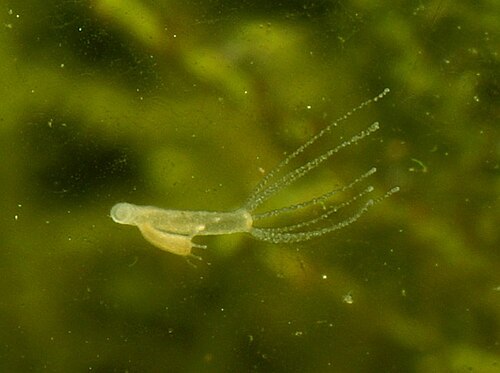
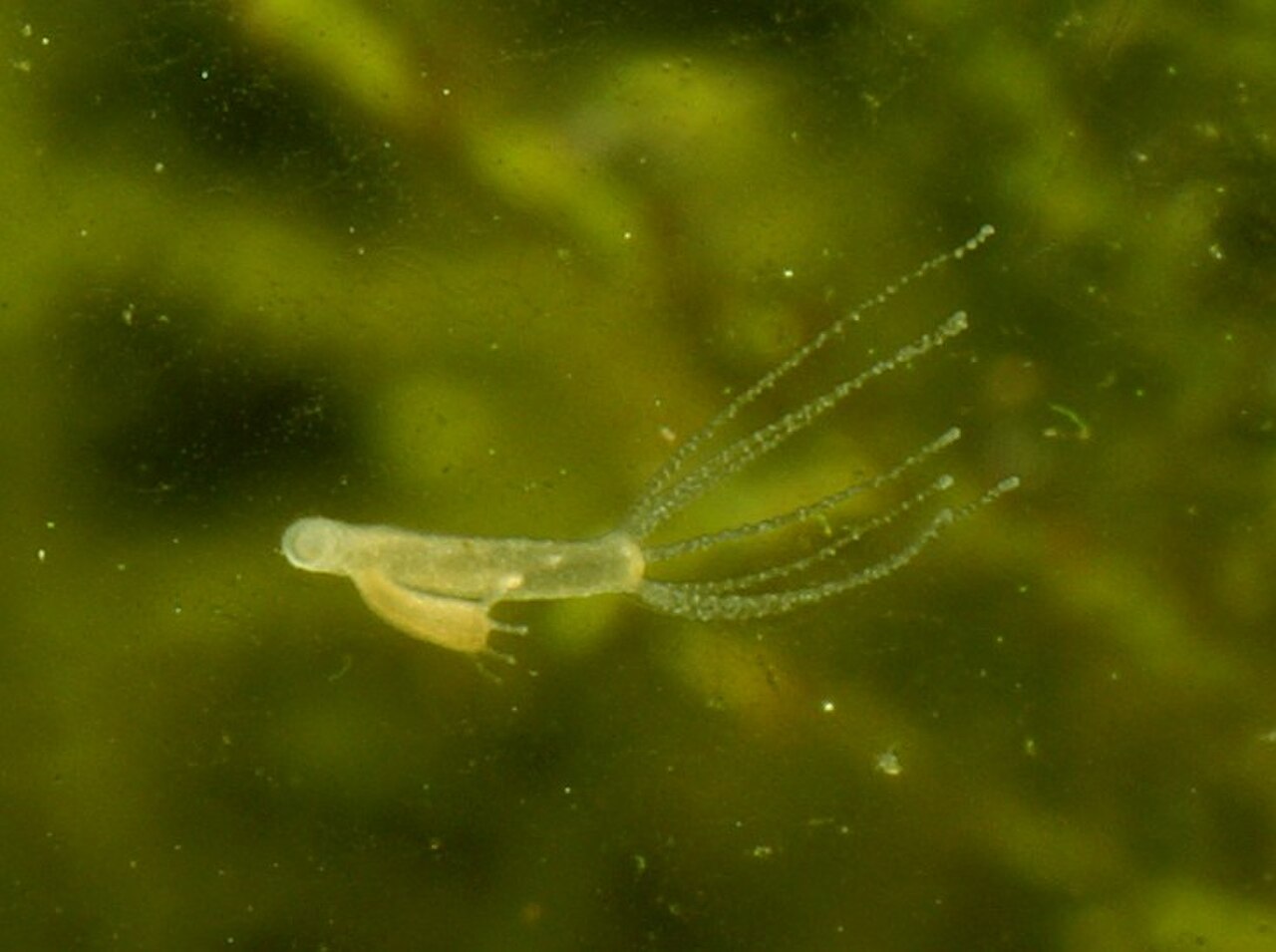
—observations
—countries
—peak records
Not EvaluatedConservation statusIUCN Red List categoriesLCNTVUENCREWEXNot Evaluated — not placed on the risk ladderRed List categories, explained →
Diet & preyWater fleas, Copepods, Ostracods
Predators
- Flatworms
- Pond snails
- Small fish
ThreatsWater pollution, chemical runoff, wetland drainage, and heavy siltation
HabitatsPonds, slow-moving streams, lakes, and ditches attached to submerged plants or stones
Life spanPotentially immortal under stable conditions; typically weeks to months in the wild
Classification
- FamilyHydridae
- SpeciesHydra vulgaris
Range data is not available yet.
Interaction riskLow
- Low
- Moderate
- High
- Very high
- Why interaction risk is low
- Safe to observe at a normal distance; its stinging cells cannot penetrate human skin.
Responsible observation
- Magnification Needed: Use a 10x hand lens or a clear jar of pond water to spot polyps clinging to submerged stems.
- Patient Observation: Let collected water settle for a few minutes so retracted polyps stretch back out and extend their tentacles.
- Minimal Disturbance: Return pond water and aquatic plants to the same spot after observing so local microhabitats stay intact.
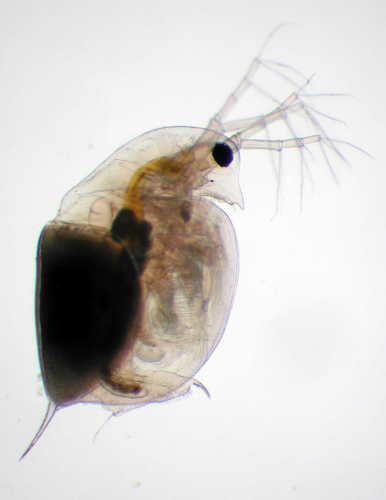
Prey (c) Dieter Ebert, Basel, Switzerland, some rights reserved (CC BY-SA) · cc-by-sa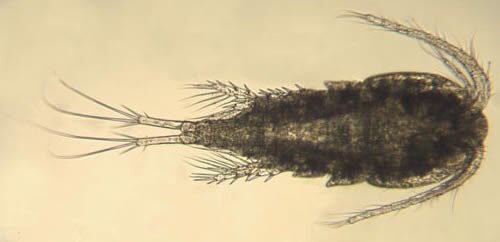
Prey US Geological Survey / Public domain · cc0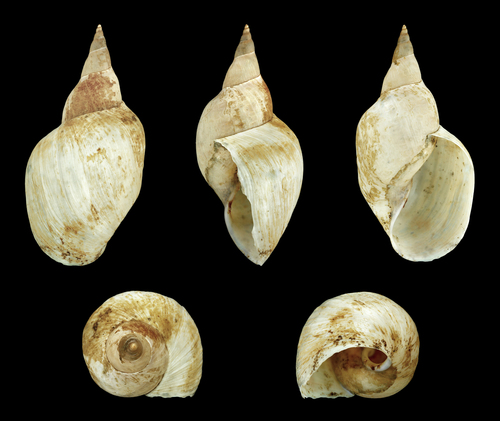
Predator (c) H. Zell, some rights reserved (CC BY-SA) · cc-by-sa Image unavailable
Predator 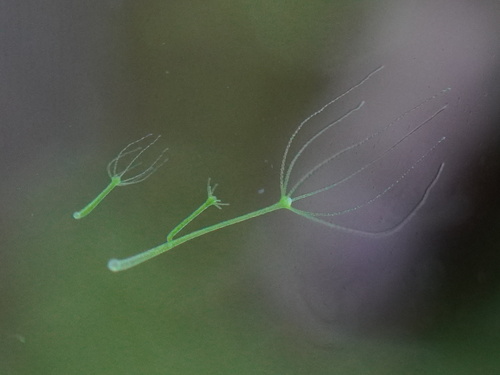
Close Relative (c) Patrick Hacker, some rights reserved (CC BY) · cc-by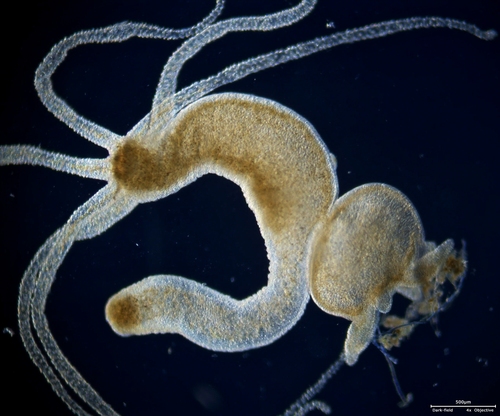
Close Relative (c) Igor Shelpiakov, some rights reserved (CC BY) · cc-by
Help improve the field guideSomething wrong?
Checking your Fauna account…Report a name, category, or profile issue for review.