
Invertebrate
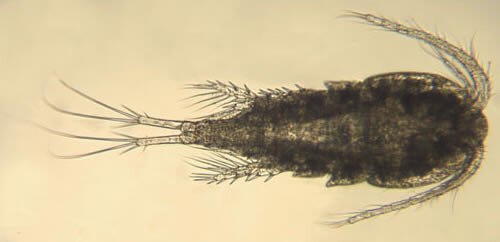
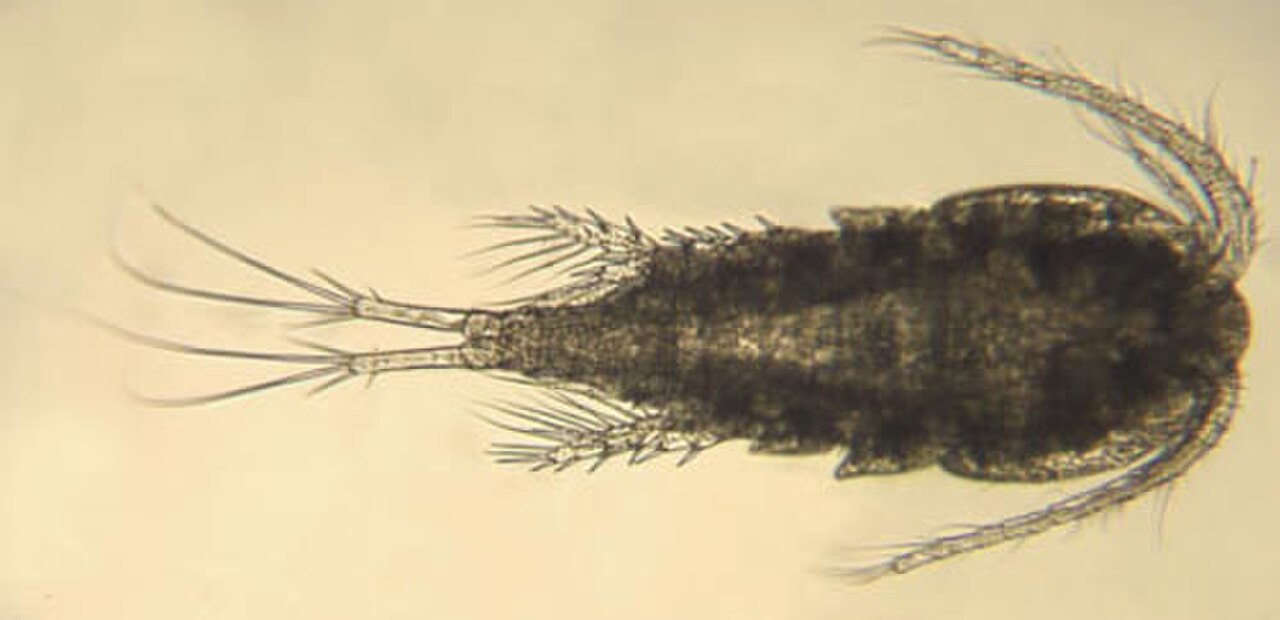
Cyclops strenuus
Cyclops strenuusCyclops strenuus is a ubiquitous freshwater copepod that navigates quiet waters using rapid, jerky bursts propelled by its elongated first antennae. Females frequently carry two symmetrical, teardrop-shaped egg sacs attached to their abdomen, releasing free-swimming nauplius larvae after a brief incubation. As both an active micro-predator and an abundant food source, it plays an indispensable hinge role linking microbial food webs to larger aquatic life.
PlanktonicAquaticMicroscopic
—observations
—countries
—peak records
Not EvaluatedConservation statusIUCN Red List categoriesLCNTVUENCREWEXNot Evaluated — not placed on the risk ladderRed List categories, explained →
Diet & preyRotifers, Paramecium ciliates, Unicellular green algae
Predators
- Three-spined stickleback
- Glassworm larva
- Dragonfly nymph
ThreatsAgricultural runoff, pesticide pollution, and pond desiccation
HabitatsPonds, vernal pools, ditches, and shallow lake margins
Life span1–12 months
Classification
- OrderCyclopoida
- FamilyCyclopidae
- GenusCyclops
- SpeciesCyclops strenuus
Range data is not available yet.
Interaction riskLow
- Low
- Moderate
- High
- Very high
- Why interaction risk is low
- Safe to observe at a normal distance.
Responsible observation
- Collection: Scoop surface water near submerged pond weeds using a fine mesh plankton net.
- Observation: Place specimens in a concave depression slide under low-power magnification to view live heartbeats.
- Lighting: Use darkfield or oblique illumination to highlight the single red median eye.
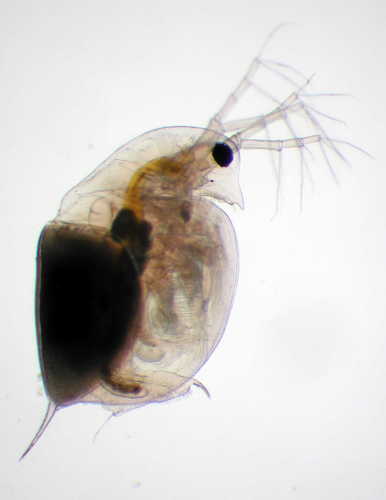
Competitor (c) Dieter Ebert, Basel, Switzerland, some rights reserved (CC BY-SA) · cc-by-sa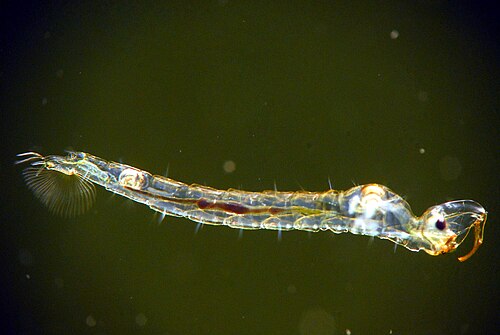
Predator Viridiflavus / CC BY-SA 3.0 · cc-by-sa Image unavailable
Same Genus
Help improve the field guideSomething wrong?
Checking your Fauna account…Report a name, category, or profile issue for review.