
Invertebrate
Magnificent Sea Anemone
Heteractis magnificaAlso known as Ritteri Anemone, Magnificent Anemone, Ritteri Sea Anemone
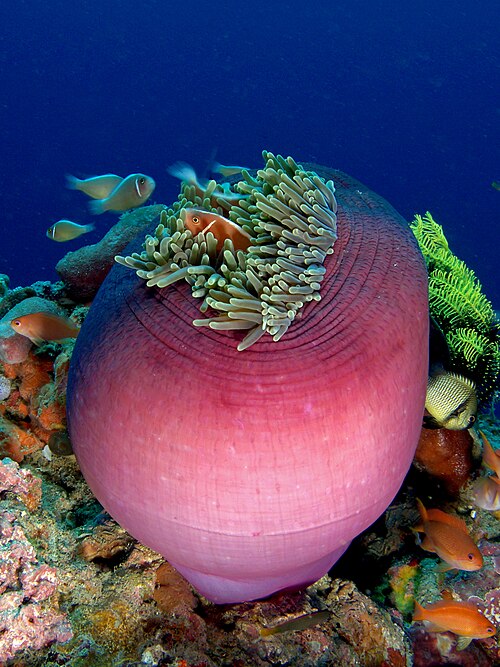
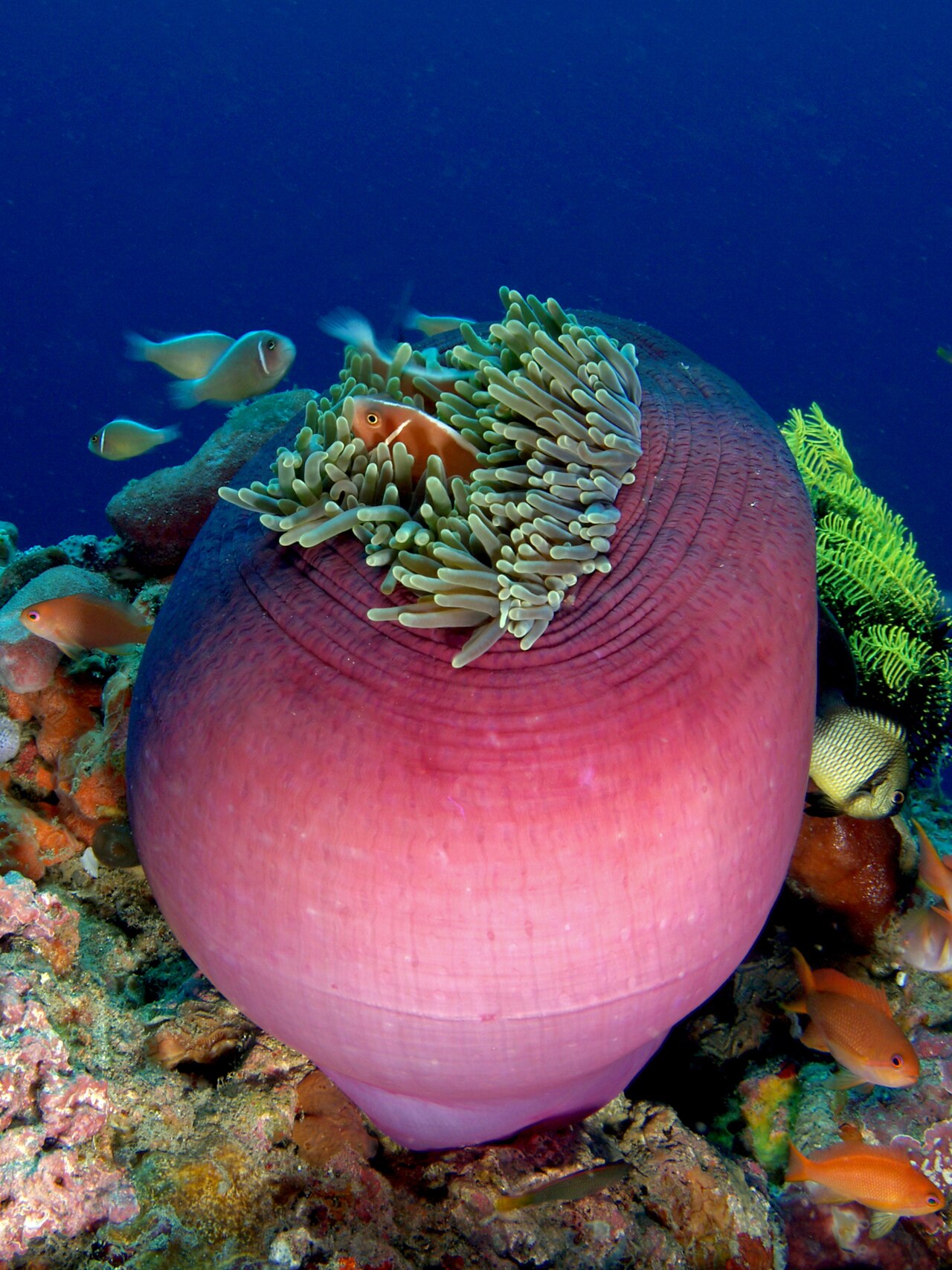
Magnificent sea anemones are large, colorful marine invertebrates known for their striking, column-like bodies that can range from electric blue and purple to bright green or orange. They host a variety of symbiotic anemonefish, which seek refuge among their long, blunt-tipped tentacles. These animals attach themselves to hard reef substrates in areas with strong currents, where they can fully expand to capture passing plankton and maximize sunlight for their symbiotic algae.
MarineVenomousSymbiotic
—observations
—countries
—peak records
Not EvaluatedConservation statusIUCN Red List categoriesLCNTVUENCREWEXNot Evaluated — not placed on the risk ladderRed List categories, explained →
Diet & preyPlankton, Small crustaceans, Tiny fish
Predators
- Nudibranchs
- Sea stars
- Butterflyfish
ThreatsCoral bleaching, climate change, ocean acidification, and over-harvesting for the aquarium trade
HabitatsCoral reefs, shallow lagoons, and outer reef slopes with strong currents
Life spanDecades, potentially over 100 years in stable conditions
Classification
- FamilyStichodactylidae
- SpeciesHeteractis magnifica
Range data is not available yet.
Interaction riskVery high
- Low
- Moderate
- High
- Very high
- Why interaction risk is very high
- Tentacles contain stinging cells that can cause skin irritation; avoid touching with bare skin.
- Why it is dangerous
- Possesses specialized stinging cells called nematocysts that inject venom upon contact, causing painful skin irritation, redness, or swelling.
- How to recognize a risky encounter
- Look for a large, brightly colored column with long, non-tapering tentacles that often have contrasting colored tips.
- What to do
- Never touch or handle with bare skin; wear protective gloves if diving or managing an aquarium.
- What to notice
- Recognizable by its massive size, sometimes reaching up to one meter in diameter, and vibrant column colors.
- Support conservation
- Maintain neutral buoyancy while diving to avoid accidentally kicking or crushing the anemone.
Responsible observation
- Observe from a distance: Watch the fascinating interactions with resident clownfish without getting too close.
- Do not touch: The stinging cells (nematocysts) can cause painful skin rashes or allergic reactions.
- Avoid anchoring: Ensure boats do not anchor near reef structures where these delicate animals live.
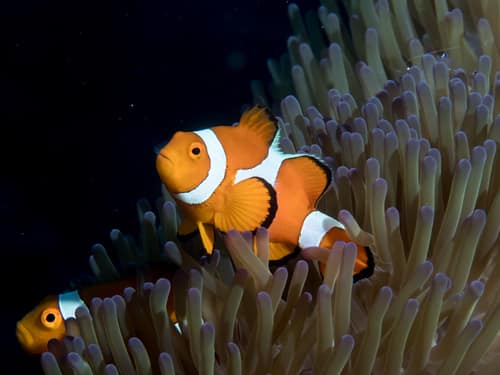
Symbiont "Ocellaris clownfish (Amphiprion ocellaris)" by krokodiver is licensed under CC BY 2.0. To view a copy of this license, visit https://creativecommons.org/licenses/by/2.0/. · cc-by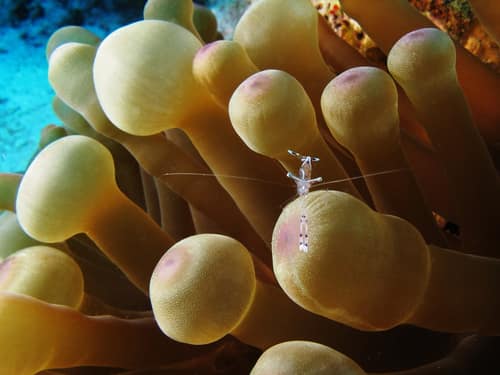
Close Relative (c) Alexander Vasenin, some rights reserved (CC BY-SA) · cc-by-sa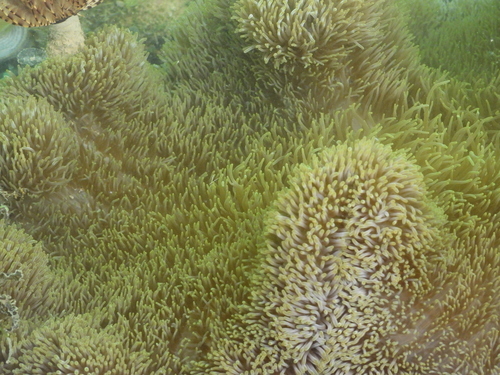
Family Member (c) Samuel Lee, some rights reserved (CC BY) · cc-by
Help improve the field guideSomething wrong?
Checking your Fauna account…Report a name, category, or profile issue for review.