
Invertebrate
Asian Blue Swimming Crab
Portunus pelagicusAlso known as Flower Crab, Blue Swimmer Crab, Blue Manna Crab, Sand Crab
Asian blue swimming crabs patrol sandy shallows, estuaries, and seagrass beds, using paddle-shaped hind legs to swim gracefully through the water column. Adult males boast vibrant cobalt-blue patterning across their carapace and legs, while females display a more subdued mottled brown camouflage. During high tide, these agile predators dig backward into the sand to ambush wandering prey or escape larger marine hunters.
MarineCrustaceanCoastal
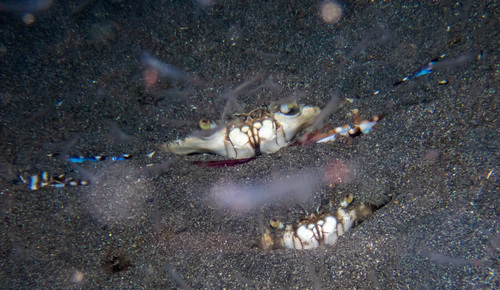
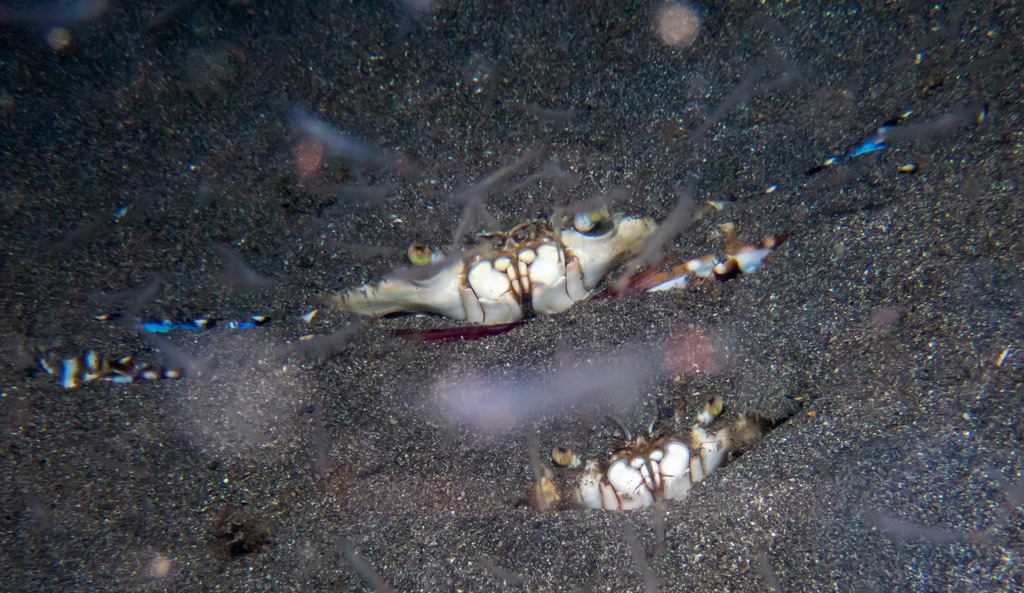
—observations
—countries
—peak records
Not EvaluatedConservation statusIUCN Red List categoriesLCNTVUENCREWEXNot Evaluated — not placed on the risk ladderRed List categories, explained →
Diet & preyBivalves, Small marine worms, Small fish
Predators
- Turtles
- Octopuses
- Large predatory fish
ThreatsOverfishing, coastal development, habitat degradation
HabitatsShallow coastal waters, sandy bays, mangrove estuaries, seagrass beds
Life span3–4 years
Classification
- FamilyPortunidae
- SpeciesPortunus pelagicus
Range data is not available yet.
Interaction riskLow
- Low
- Moderate
- High
- Very high
- Why interaction risk is low
- Powerful chelipeds can inflict deep, painful pinches; handle only with protective gear.
- Why it is dangerous
- Large, elongated chelipeds exert immense crushing force and can break human skin or crush fingers.
- How to recognize a risky encounter
- Look for flattened paddle-shaped back legs and bright blue markings on broad, spinous claws.
- What to do
- Avoid bare-hand handling; use heavy tongs or observe quietly without attempting capture.
Responsible observation
- Safe observation: Watch them swimming along sandy shallows at high tide or under dock lights at night.
- Handling caution: Never pick up by the legs; grasp securely from the rear of the carapace to avoid pinches.
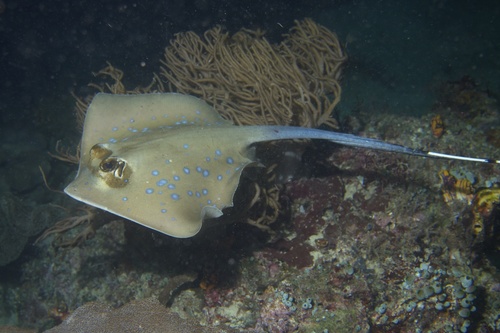
Predator (c) Elias Levy, some rights reserved (CC BY) · cc-by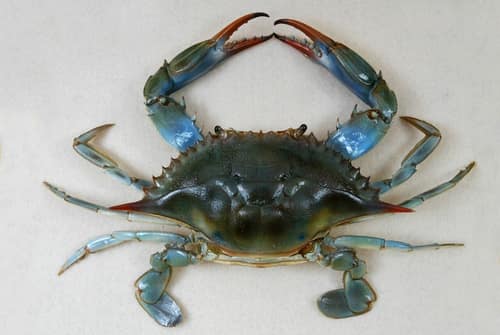
Same Family Wikimedia Commons / CC BY-SA 3.0 · cc-by-sa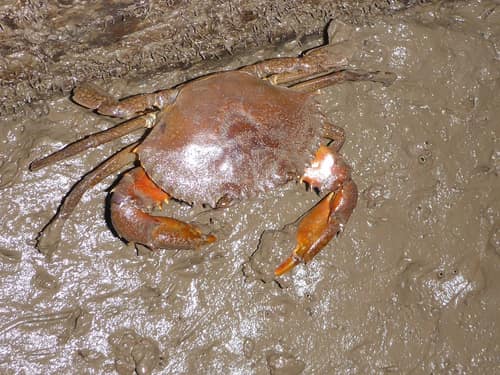
Same Family "Mud Crab" by darkday. is licensed under CC BY 2.0. To view a copy of this license, visit https://creativecommons.org/licenses/by/2.0/. · cc-by
Help improve the field guideSomething wrong?
Checking your Fauna account…Report a name, category, or profile issue for review.