
Invertebrate · GBIF taxon 5178542
Caribbean Land Hermit Crab
Coenobita clypeatusAlso known as Soldier Crab, Purple Pincher, Tree Crab, West Atlantic Crab
Caribbean land hermit crabs thrive in humid coastal forests, traveling in tight social foraging groups and communicating with gentle chirping or croaking sounds. Because they cannot grow their own protective armor, adults depend entirely on abandoned marine snail shells, frequently lining up by size to execute synchronized shell swaps. Females migrate directly to the ocean's edge to release fertilised eggs into breaking waves, where the larvae briefly develop as marine plankton before moving ashore.
CrustaceanNocturnalScavenger
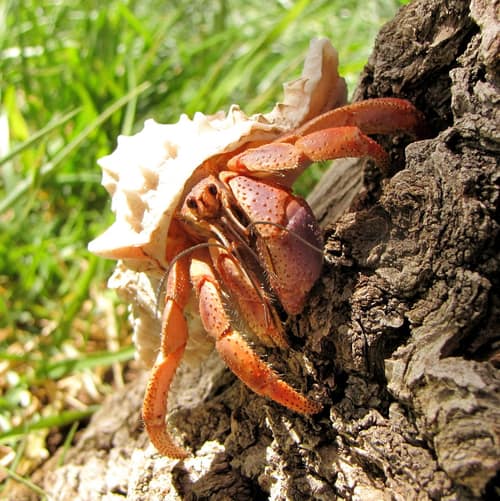
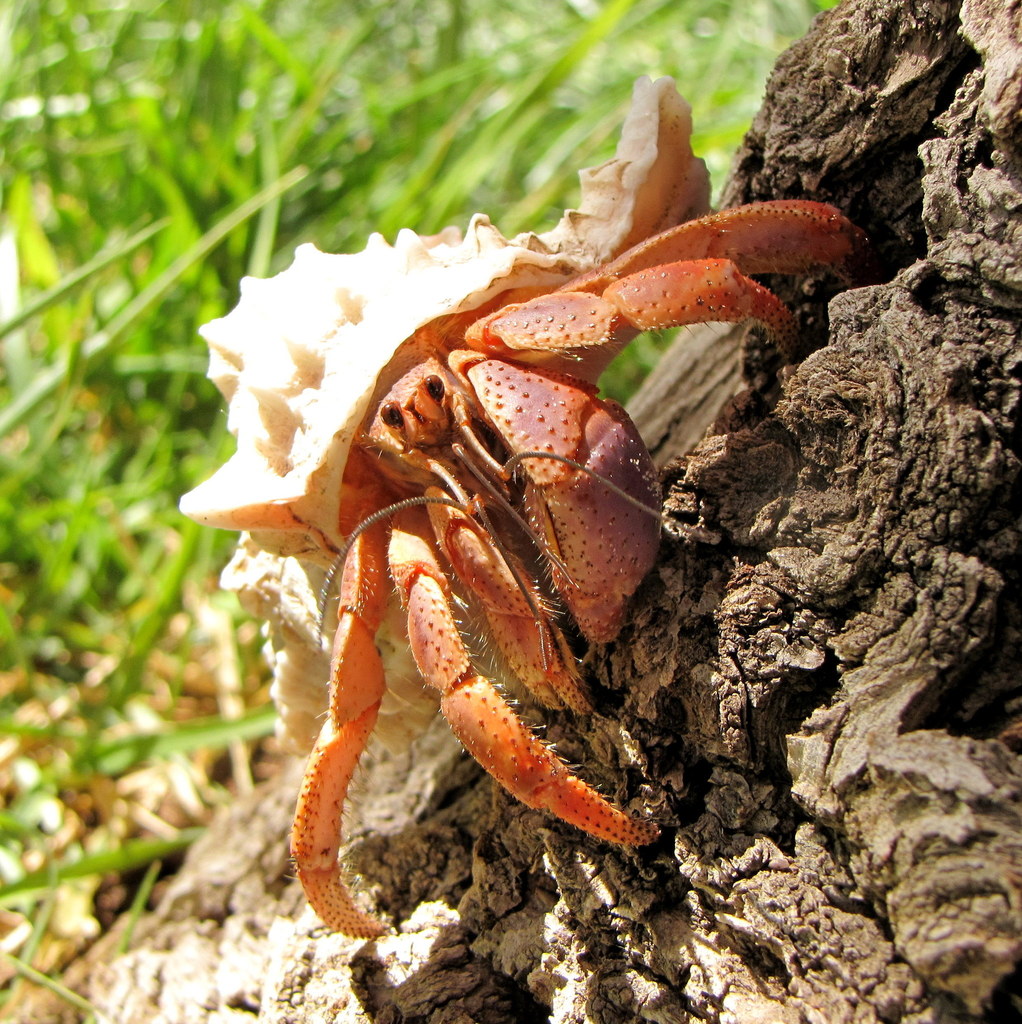
—observations
—countries
—peak records
Not EvaluatedConservation statusIUCN Red List categoriesLCNTVUENCREWEXNot Evaluated — not placed on the risk ladderRed List categories, explained →
Diet & prey
- Fallen tropical fruits
- Leaf litter
- Carrion
Predators
- Raccoons
- Herons
- Opossums
ThreatsShell depletion from shell collecting, coastal habitat destruction, and exotic pet trade collection
HabitatsCoastal forests, mangroves, dunes, and rocky shorelines inland from the intertidal zone
Life span10–30 years (can exceed 40 years)
Size / weightNot available
Classification
- OrderDecapoda
- FamilyCoenobitidae
- GenusCoenobita
- SpeciesCoenobita clypeatus
Range data is not available yet.
Interaction riskLow
- Low
- Moderate
- High
- Very high
- Why interaction risk is low
- Safe to observe at a normal distance; large claw can pinch if picked up.
Responsible observation
- Shell preservation: Leave empty sea snail shells on beaches to ensure crabs have homes to grow into.
- Night scouting: Search coastal forest trails with a red flashlight after dusk when foraging groups emerge.
- Gentle observation: Avoid picking up wild crabs, as stress can cause them to retreat or pinch defensively.
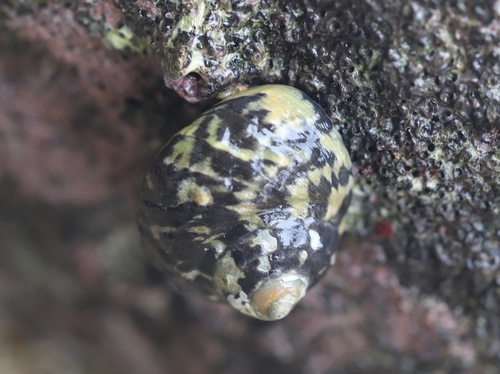
Shell Provider (c) Steven Bodzin, some rights reserved (CC BY) · cc-by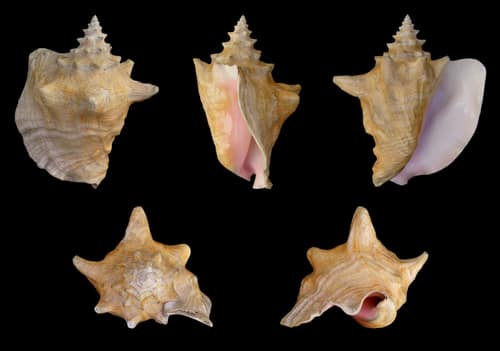
Shell Provider (c) H. Zell, some rights reserved (CC BY-SA) · cc-by-sa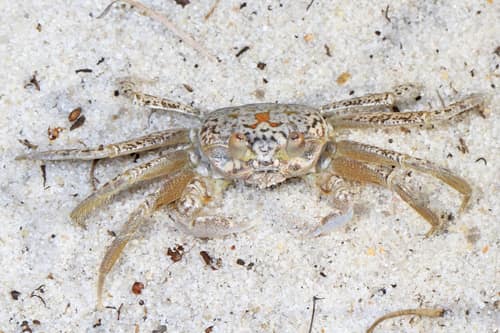
Neighbor (c) Judy Gallagher, some rights reserved (CC BY) · cc-by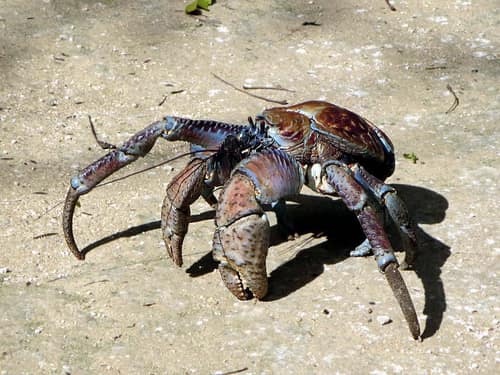
Same Family (c) David Stanley, some rights reserved (CC BY) · cc-by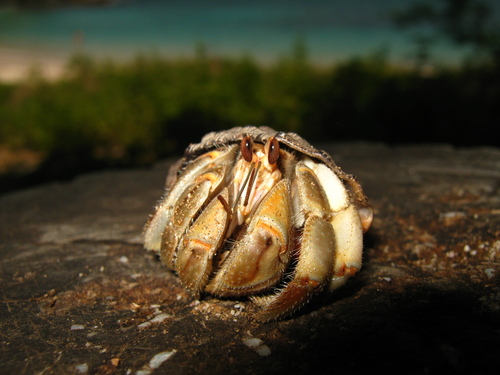
Close Relative (c) Jorge Armín Escalante-Pasos, some rights reserved (CC BY), uploaded by Jorge Armín Escalante-Pasos · cc-by
Help improve the field guideSomething wrong?
Checking your Fauna account…Report a name, category, or profile issue for review.