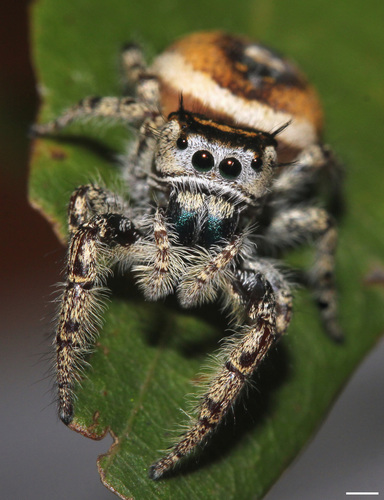
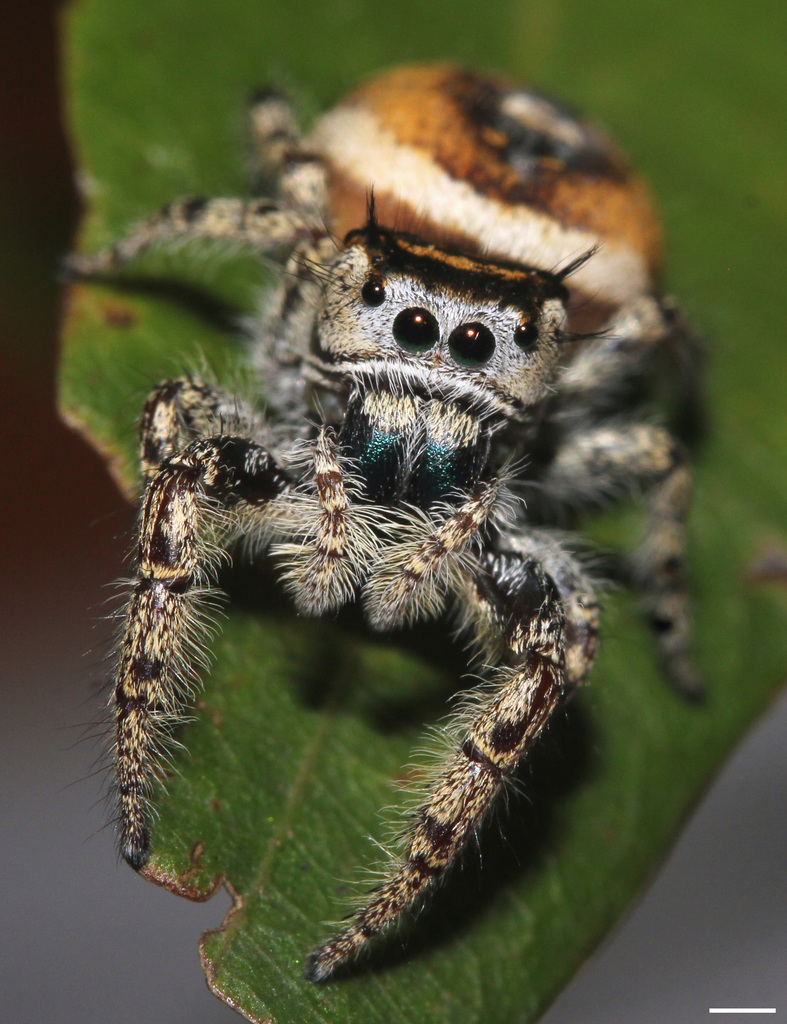
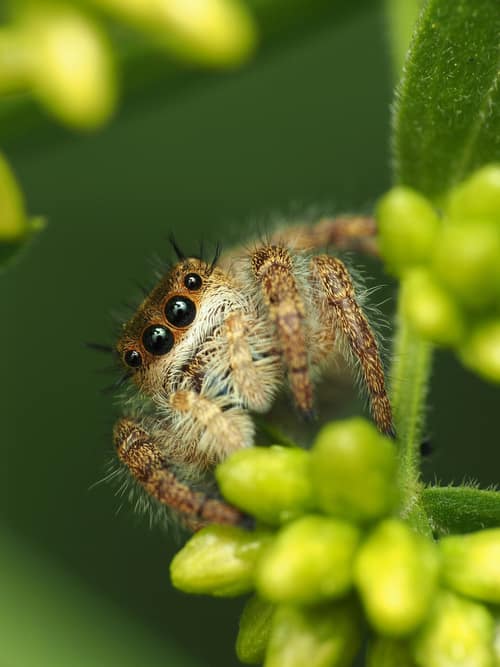
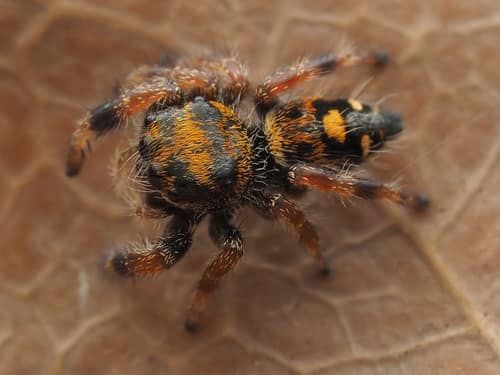
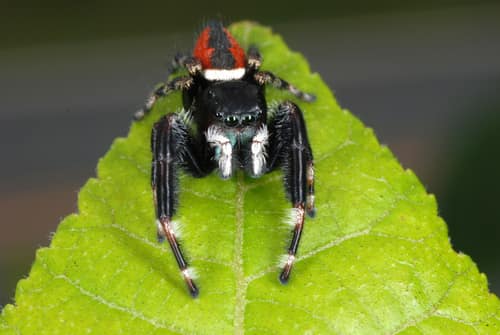
Arizona jumping spiders are active daylight hunters recognized by their striking coloration and enormous forward-facing principal eyes. They stalk small insect prey through desert vegetation and rocky outcroppings with keen stereoscopic vision before launching a high-precision pounce secured by a silk lifeline. Males perform energetic courtship dances displaying their vibrant mouthparts and patterned front legs to court prospective mates.
Not EvaluatedConservation statusIUCN Red List categoriesLCNTVUENCREWEXNot Evaluated — not placed on the risk ladderRed List categories, explained →
Key facts
Diet & prey
Flies
Small moths
Grasshopper nymphs
Predators
Spider wasps
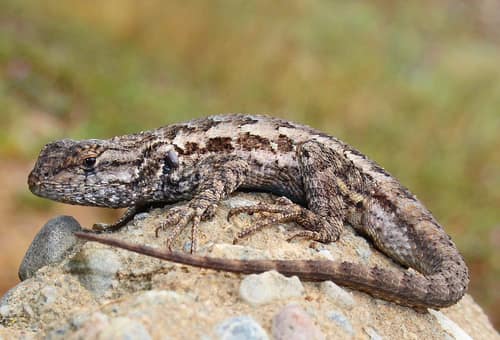
Lizards
Insectivorous birds
ThreatsHabitat conversion and broad-spectrum pesticide applications
HabitatsArid scrubland, chaparral, desert washes, grasslands, and suburban gardens
Life span1–2 years
Size / weightNot available
Classification
OrderAraneae
FamilySalticidae
GenusPhidippus
SpeciesPhidippus arizonensis
Range & activity
Range data is not available yet.
Safe observation
Interaction riskVery high
Low
Moderate
High
Very high
Why interaction risk is very high
Safe to observe at a normal distance; bites are exceptionally rare and minor.
Responsible observation
Observation angle: Move slowly and position yourself in front of the spider; its large central eyes will track your movements with curious turns of the head.
Basking spots: Scan sunlit fence posts, stone walls, and desert shrub leaves during warm mornings when these spiders actively forage.