
Insect
Spanish Moon Moth
Graellsia isabellaeAlso known as Isabel Moth, Spanish Silk Moth
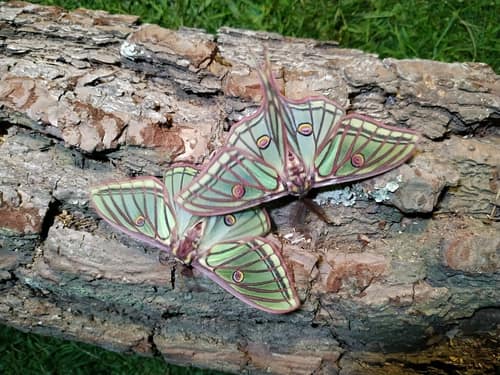
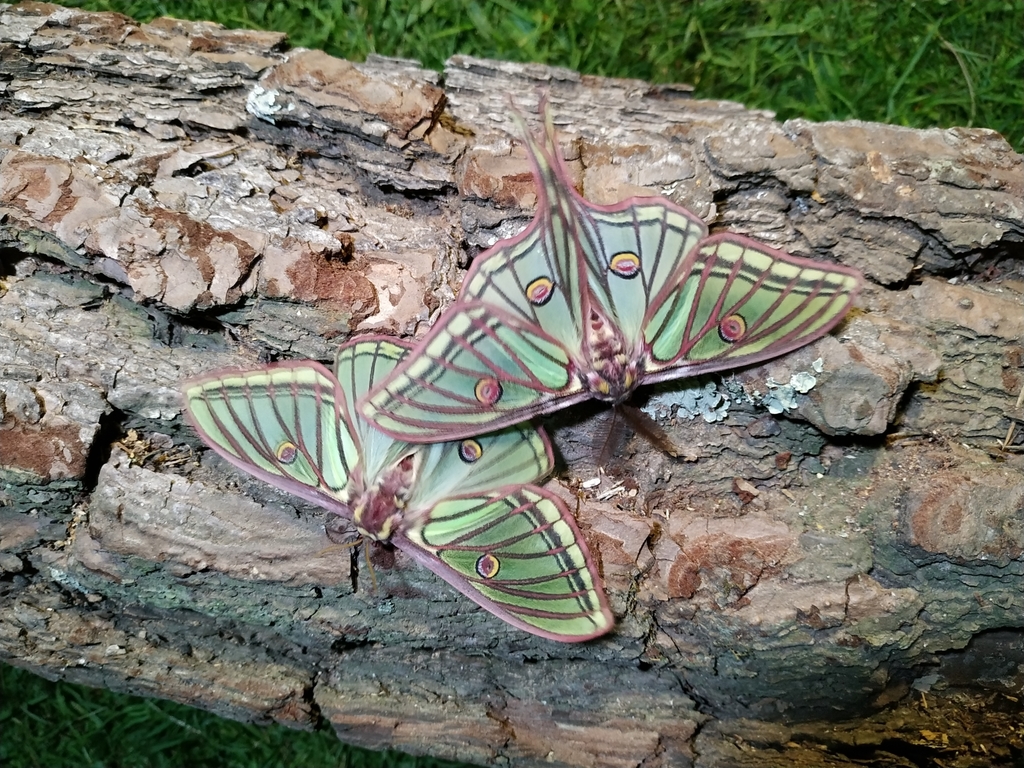
Renowned for translucent emerald-green wings traced with rich reddish-brown veins, Spanish moon moths are among Europe's most striking nocturnal insects. Males possess dramatic trailing hindwing tails and feathery antennae tuned to detect female pheromones across dense mountain pine canopies. Adults lack functional mouthparts, living only a few days entirely on energy reserves stored during their caterpillar stage.
NocturnalRareForest Specialist
—observations
—countries
—peak records
VulnerableConservation statusIUCN Red List categoriesLCNTVUENCREWEXVulnerableRed List categories, explained →
Diet & preyScots Pine, Austrian Pine
Predators
- Bats
- Insectivorous Birds
- Small Mammals
ThreatsHabitat fragmentation, light pollution, over-collection
HabitatsMountain pine forests
Life spanAdults 7–10 days; total cycle 1 year
Classification
- FamilySaturniidae
- SpeciesGraellsia isabellae
Range data is not available yet.
Interaction riskLow
- Low
- Moderate
- High
- Very high
- Why interaction risk is low
- Safe to observe at a normal distance.
- What to notice
- Recognizable by broad pale green wings laced with reddish veins and distinct tails on the hindwings.
- Support conservation
- Observe without handling, avoiding light traps or strong torches that interfere with mating.
Responsible observation
- Night Spotting: Search for active adults around pine forest edges on warm spring nights.
- Minimize Lighting: Use dim red lights instead of bright flashlights to avoid disorienting resting moths.
- Habitat Care: Keep to established trails to protect pine saplings and delicate forest soil.
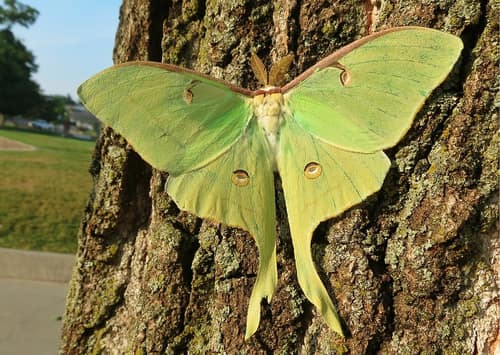
Close Relative "Lovely luna moth at the Neosho National Fish Hatchery" by U.S. Fish and Wildlife Service - Midwest Region is licensed under CC BY 2.0. To view a copy of this license, visit https://creativecommons.org/licenses/by/2.0/. · cc-by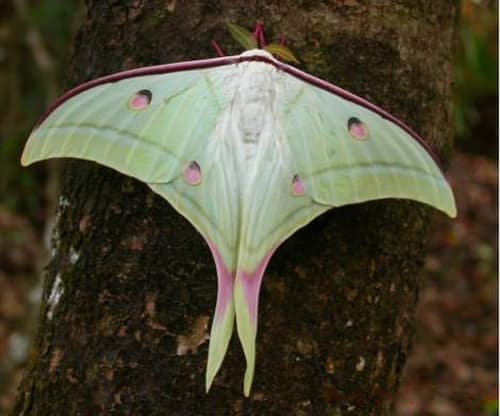
Close Relative Sandilya Theuerkauf / CC BY-SA 2.5 · cc-by-sa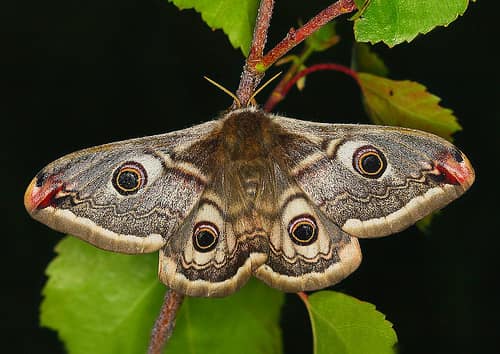
Family Relative Lukas Jonaitis from Vilnius, Lithuania / CC BY 2.0 · cc-by
Help improve the field guideSomething wrong?
Checking your Fauna account…Report a name, category, or profile issue for review.