
Insect · GBIF taxon 1867820
Small Emperor Moth
Saturnia pavoniaAlso known as Emperor Moth, Pavonia Moth
Males race across open moorland in a swift, zigzagging flight on bright spring afternoons, guided by feather-like antennae that can detect female pheromones from kilometers away. Females rest quietly in vegetation by day and take flight after dark to lay clusters of eggs on woody shrubs. Adults lack functional mouthparts, living only a week or two entirely on energy reserves stored during their vibrant caterpillar stage.
EyespotsSilk MothHeathland
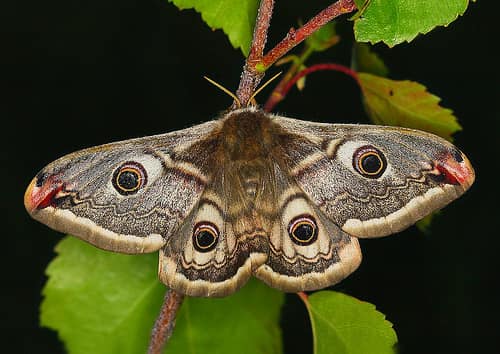
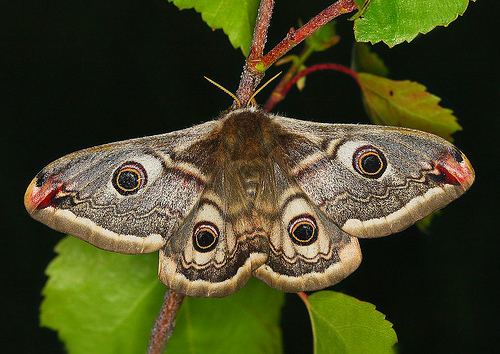
—observations
—countries
—peak records
Least ConcernConservation statusIUCN Red List categoriesLCNTVUENCREWEXLeast ConcernRed List categories, explained →
Diet & prey
- Larvae eat heather, bramble, and willow; adults do not feed
Predators
- Insectivorous birds
- Bats
- Common Cuckoo
ThreatsHabitat loss from heathland drainage, overgrazing, and afforestation
HabitatsHeathlands, peat bogs, open moorland, and sunny woodland clearings
Life span1 year life cycle; adults live 1–2 weeks
Size / weightNot available
Classification
- OrderLepidoptera
- FamilySaturniidae
- GenusSaturnia
- SpeciesSaturnia pavonia
Range data is not available yet.
Interaction riskLow
- Low
- Moderate
- High
- Very high
- Why interaction risk is low
- Safe to observe at a normal distance.
Responsible observation
- Spotting Males: Search open heather moors on warm, sunny spring afternoons to catch males flying low.
- Finding Caterpillars: Check bramble and birch scrub in midsummer for plump green larvae ringed with yellow studs.
- Gentle Observation: Avoid disturbing resting females on vegetation, as flight exhausts their non-renewable energy.
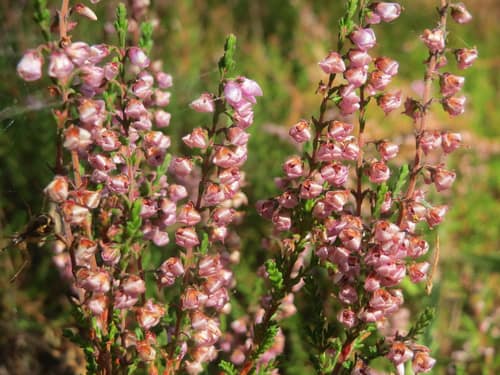
Host Plant (c) Andreas Rockstein, some rights reserved (CC BY-SA) · cc-by-sa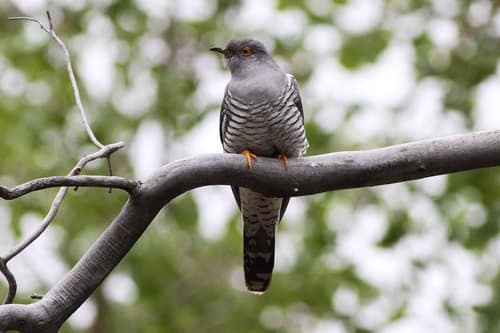
Predator Ron Knight from Seaford, East Sussex, United Kingdom / CC BY 2.0 · cc-by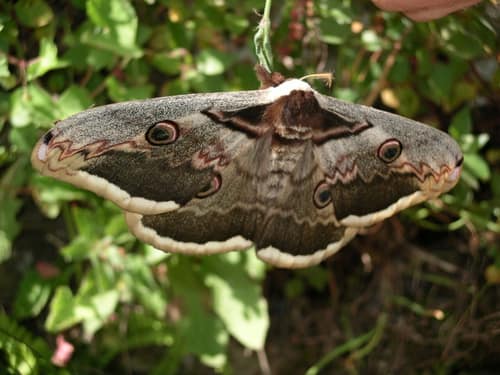
Close Relative Velela / Public domain · cc0 Image unavailable
Same Family
Keep collecting in Fauna
Found in Collections
Species set
Moonlight Marvels
Small Emperor Moth is found in this collection. Identify it in Fauna to fill this slot and continue your progress.
—/7
Help improve the field guideSomething wrong?
Checking your Fauna account…Report a name, category, or profile issue for review.