
Insect · GBIF taxon 5124250
Mournful Sphinx
Enyo lugubrisAlso known as Mournful Hawkmoth
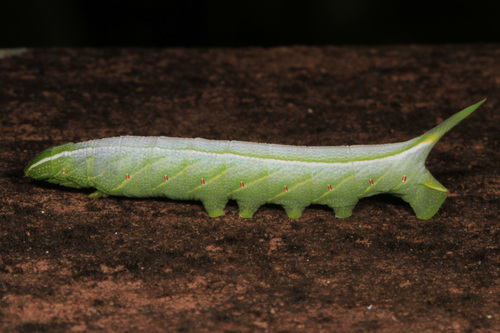
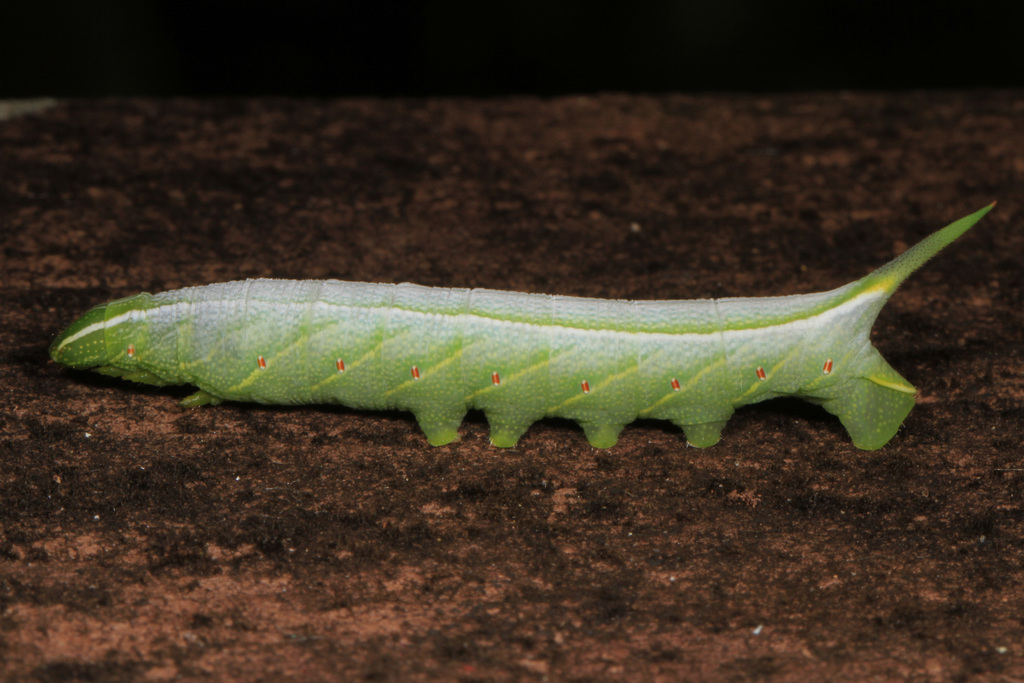
Mournful sphinx moths feature rich dark chocolate-brown wings with distinctly scalloped outer edges and a subtle pale spot on each forewing. Adults hover agilely before deep-throated flowers at dusk and night to sip nectar using a long proboscis. Their caterpillars feed primarily on plants in the grape family, blending seamlessly with host foliage before dropping to pupate in subterranean silk cocoons.
NocturnalMothPollinator
 1 / 7
1 / 7—observations
—countries
—peak records
Not EvaluatedConservation statusIUCN Red List categoriesLCNTVUENCREWEXNot Evaluated — not placed on the risk ladderRed List categories, explained →
Diet & prey
- Floral nectar
- Grapevine foliage (larvae)
- Cissus vine leaves (larvae)
Predators
- Bats
- Insectivorous birds
- Spiders
ThreatsPesticide application, artificial light pollution, and habitat disruption.
HabitatsSubtropical woodlands, forest edges, coastal scrub, gardens, and agricultural fields.
Life span1–2 months total (adults live 1–3 weeks)
Classification
- OrderLepidoptera
- FamilySphingidae
- GenusEnyo
- SpeciesEnyo lugubris
Range data is not available yet.
Interaction riskLow
- Low
- Moderate
- High
- Very high
- Why interaction risk is low
- Safe to observe at a normal distance.
Responsible observation
- Nighttime Observation: Look near evening-blooming nectar plants like petunias or jasmine shortly after sunset.
- Attracting Adults: Avoid bright non-insect-safe outdoor lighting that disorients night-flying hawkmoths.
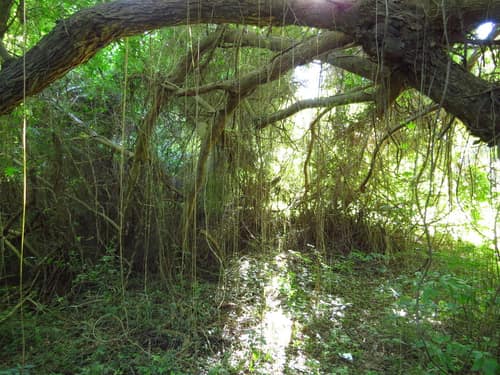
Host Plant (c) Leonel Roget, some rights reserved (CC BY), uploaded by Leonel Roget · cc-by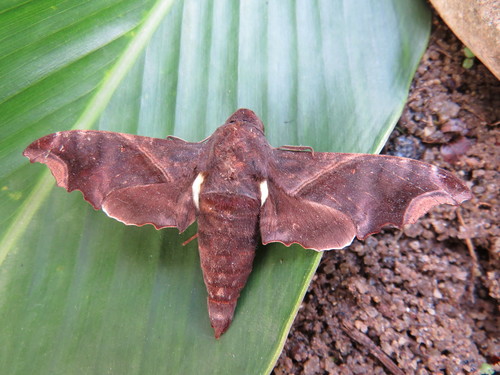
Close Relative (c) Diogo Luiz, some rights reserved (CC BY), uploaded by Diogo Luiz · cc-by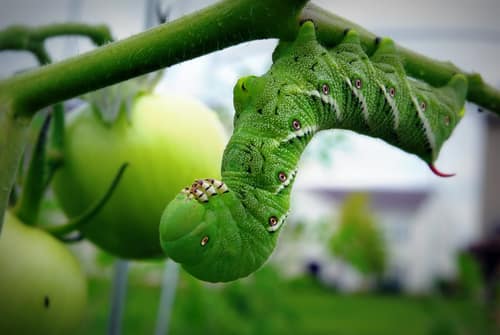
Family Member "Tobacco Hornworm Caterpillar" by cbede is licensed under CC BY 2.0. To view a copy of this license, visit https://creativecommons.org/licenses/by/2.0/. · cc-by
Keep collecting in Fauna
Found in Collections
Species set
Moonlight Marvels
Mournful Sphinx is found in this collection. Identify it in Fauna to fill this slot and continue your progress.
—/7
Help improve the field guideSomething wrong?
Checking your Fauna account…Report a name, category, or profile issue for review.