
Insect
Great Ash Sphinx
Sphinx chersisAlso known as Northern Ash Sphinx
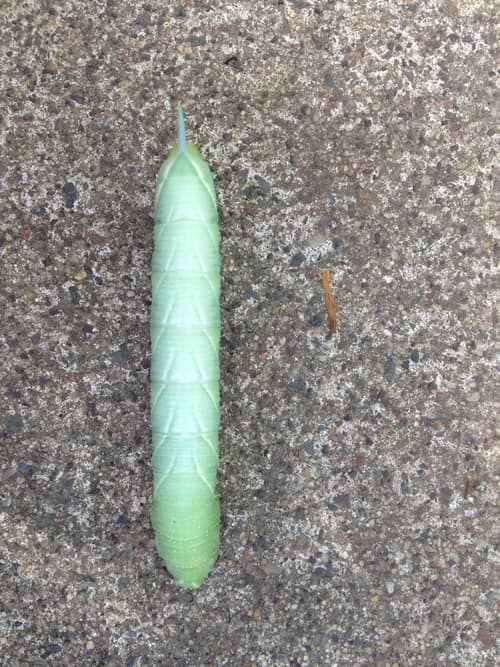
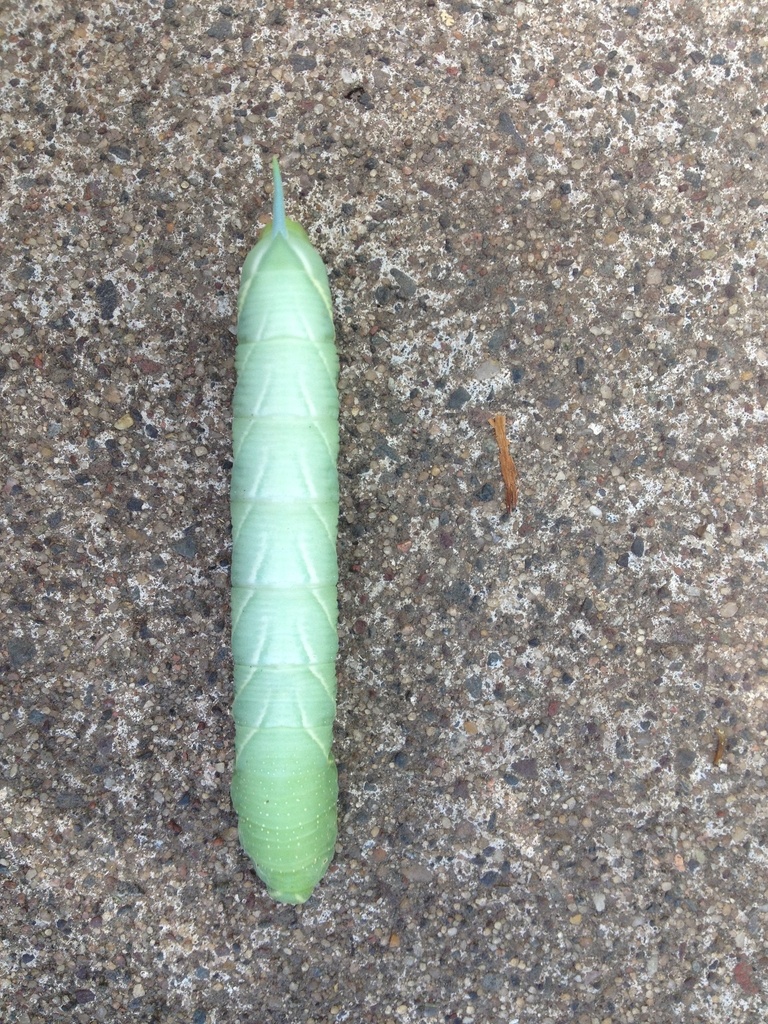
Great ash sphinx moths hover at dusk like nocturnal hummingbirds, unfurling exceptionally long proboscides to drink nectar from deep tubular blossoms. Their stout larvae are bright green hornworms that feed primarily on ash trees, lilacs, and privet before burrowing underground to pupate. Adults display subtle grey and charcoal wing patterns that provide perfect camouflage against tree bark during daylight hours.
NocturnalPollinatorMoth
—observations
—countries
—peak records
Not EvaluatedConservation statusIUCN Red List categoriesLCNTVUENCREWEXNot Evaluated — not placed on the risk ladderRed List categories, explained →
Diet & preyNectar from tubular flowers, Leaves of ash and lilac trees
Predators
- Bats
- Insectivorous birds
- Parasitoid wasps
ThreatsLight pollution, heavy pesticide use, and loss of native host trees
HabitatsDeciduous forests, woodlands, orchards, and suburban gardens
Life span1–2 weeks as adults; up to 1 year total life cycle including pupation
Classification
- OrderLepidoptera
- FamilySphingidae
- GenusSphinx
- SpeciesSphinx chersis
Range data is not available yet.
Interaction riskLow
- Low
- Moderate
- High
- Very high
- Why interaction risk is low
- Safe to observe at a normal distance.
Responsible observation
- Evening Watching: Search deep tubular flowers at twilight to spot adults hovering like hummingbirds.
- Light Attractants: Set up a blacklight against a white sheet at night to observe adult moths up close.
- Host Plants: Inspect the leaves of young ash trees or lilacs for large green caterpillars in midsummer.
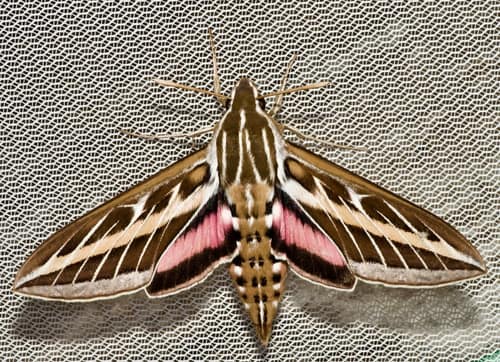
Co-occurring Sphingid (c) Michelle W. (鍾偉瑋), some rights reserved (CC BY), uploaded by Michelle W. (鍾偉瑋) · cc-by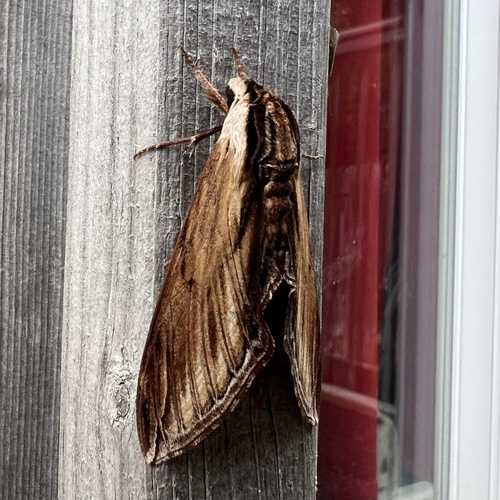
Close Relative no rights reserved · cc0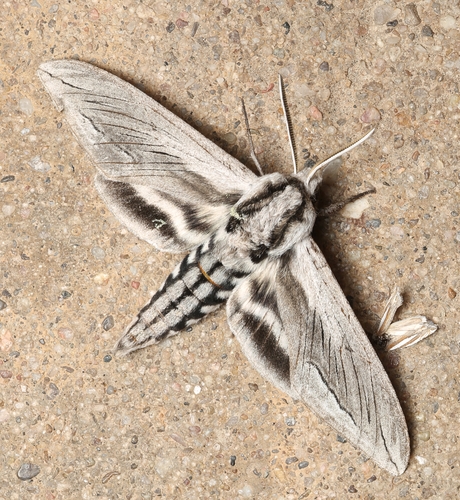
Close Relative (c) Colin Croft, some rights reserved (CC BY) · cc-by
Keep collecting in Fauna
Found in Collections
Species set
Moonlight Marvels
Great Ash Sphinx is found in this collection. Identify it in Fauna to fill this slot and continue your progress.
—/7
Help improve the field guideSomething wrong?
Checking your Fauna account…Report a name, category, or profile issue for review.