
Insect
White-lined Sphinx
Hyles lineataAlso known as White-Lined Sphinx Moth, Striped Morning Sphinx, Hummingbird Moth
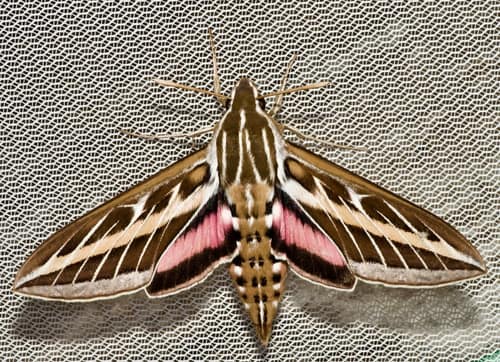
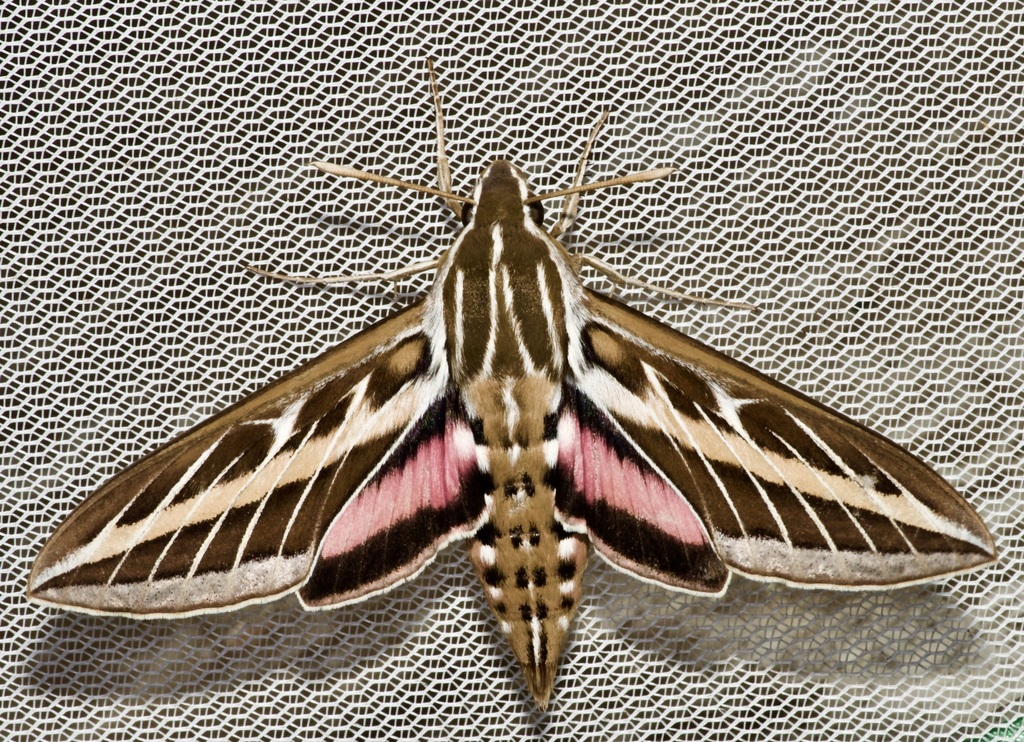
White-lined sphinx moths zip through gardens and deserts at dusk, hovering before deep-throated flowers with rapid, bird-like wingbeats. Their prominent white wing veins and rosy pink hindwings make them striking pollinators as they feed through long, coiled proboscises. Female moths deposit bright yellow-green eggs on host plants like evening primrose and purslane, where the bold, horn-tailed caterpillars feed voraciously.
CrepuscularPollinatorFast Flier
—observations
—countries
—peak records
Least ConcernConservation statusIUCN Red List categoriesLCNTVUENCREWEXLeast ConcernRed List categories, explained →
Diet & preyFlower nectar, Evening primrose leaves, Purslane foliage
Predators
- Bats
- Insectivorous birds
- Spiders
ThreatsPesticide use, artificial light pollution, and extreme drought
HabitatsDeserts, suburban gardens, open fields, meadows, and prairies
Life span10–30 days as adults
Classification
- OrderLepidoptera
- FamilySphingidae
- GenusHyles
- SpeciesHyles lineata
Range data is not available yet.
Interaction riskLow
- Low
- Moderate
- High
- Very high
- Why interaction risk is low
- Safe to observe at a normal distance.
Responsible observation
- Plant Native Flowers: Cultivate deep-throated blooms like evening primrose and mirabilis to attract adults.
- Watch at Dusk: Look for rapid, hummingbird-like hovering near blossoms during twilight hours.
- Observe Caterpillars: Horn-tailed larvae feed on purslane and are completely harmless to touch.
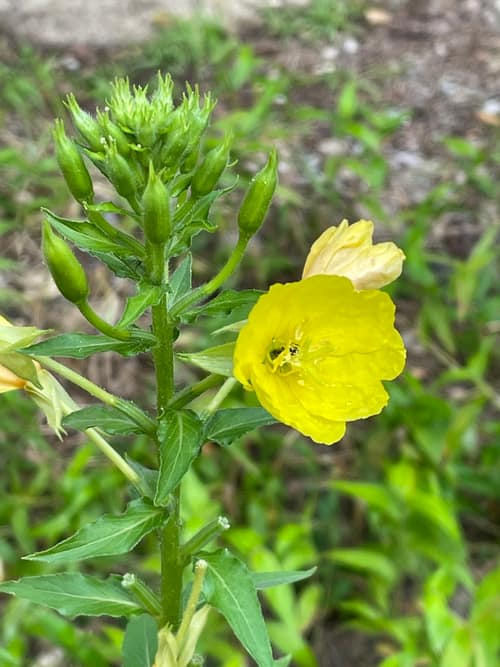
Host Plant (c) Tom Pollard, some rights reserved (CC BY), uploaded by Tom Pollard · cc-by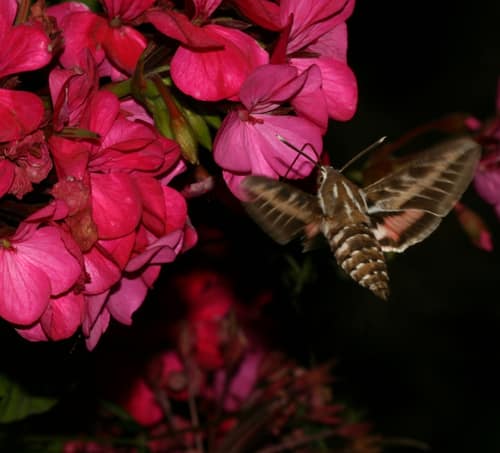
Close Relative (c) Sandy Rae, some rights reserved (CC BY) · cc-by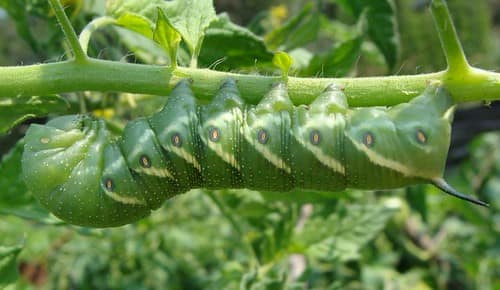
Family Relative "Tomato Hornworm" by Hillbraith is marked with Public Domain Mark 1.0. To view the terms, visit https://creativecommons.org/publicdomain/mark/1.0/. · cc0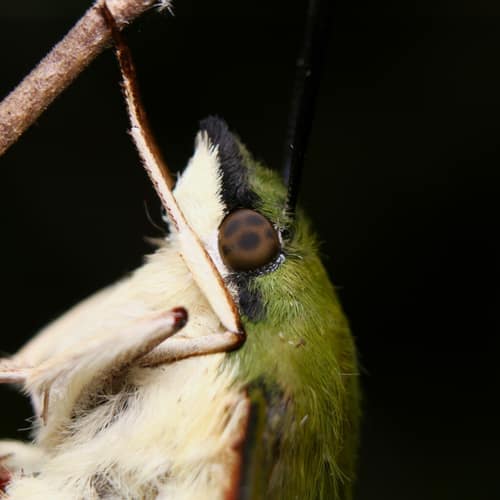
Day-Flying Relative (c) Matthew Lindsey, some rights reserved (CC BY) · cc-by
Keep collecting in Fauna
Found in Collections
Species set
Moonlight Marvels
White-lined Sphinx is found in this collection. Identify it in Fauna to fill this slot and continue your progress.
—/7
Help improve the field guideSomething wrong?
Checking your Fauna account…Report a name, category, or profile issue for review.