
Insect
Nessus Sphinx
Amphion floridensisAlso known as Nessus Sphinx Moth
Nessus sphinxes are agile, day-flying hawk moths frequently mistaken for hummingbirds or bumblebees as they hover before nectar-rich flowers. Adults display a distinctive fan-like abdominal tuft that flares during flight, accented by two vivid golden-yellow bands across the dark body. Caterpillars feed on woody vines of the grape family before pupating in loose cocoons spun among leaf litter on the forest floor.
Day-FlyingPollinatorMimic
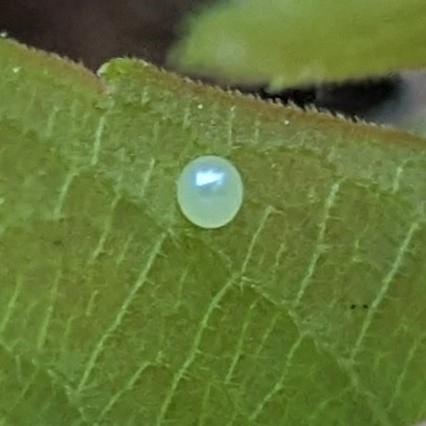
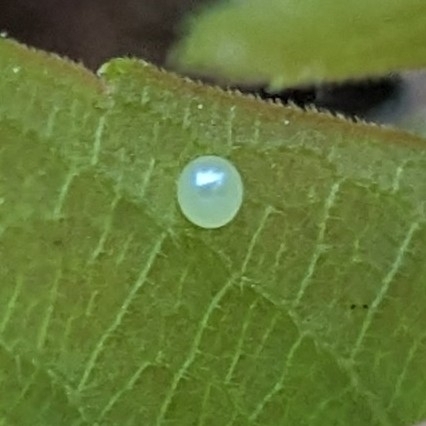
—observations
—countries
—peak records
Not EvaluatedConservation statusIUCN Red List categoriesLCNTVUENCREWEXNot Evaluated — not placed on the risk ladderRed List categories, explained →
Diet & preyFlower nectar, Grape foliage, Virginia creeper leaves
Predators
- Songbirds
- Robber flies
- Orb-weaver spiders
ThreatsPesticide applications, habitat loss, and autumn leaf litter removal
HabitatsDeciduous woodlands, forest edges, suburban gardens, and stream corridors
Life span1 year (several weeks as an adult)
Classification
- FamilySphingidae
- SpeciesAmphion floridensis
Range data is not available yet.
Interaction riskLow
- Low
- Moderate
- High
- Very high
- Why interaction risk is low
- Safe to observe at a normal distance.
Responsible observation
- Observation Timing: Search sunny woodland borders and flower beds during mid-afternoon to dusk.
- Floral Patches: Look near flowering lilacs, phlox, and geraniums where adults refuel on nectar.
- Garden Hospitality: Retain native wild grape and fallen leaves to support their life cycle.
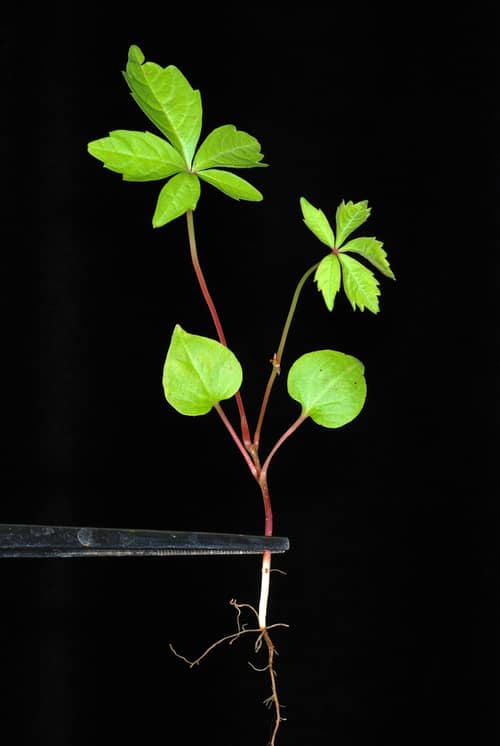
Host Plant (c) Douglas Goldman, some rights reserved (CC BY-SA), uploaded by Douglas Goldman · cc-by-sa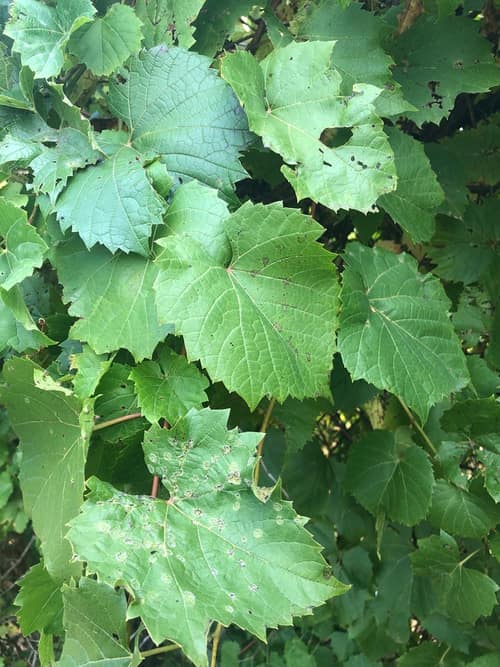
Host Plant (c) miquelon, some rights reserved (CC BY), uploaded by miquelon · cc-by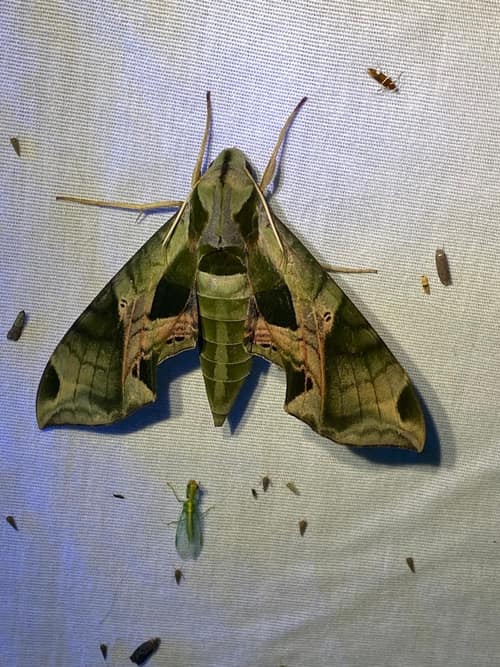
Competitor (c) David George, some rights reserved (CC BY), uploaded by David George · cc-by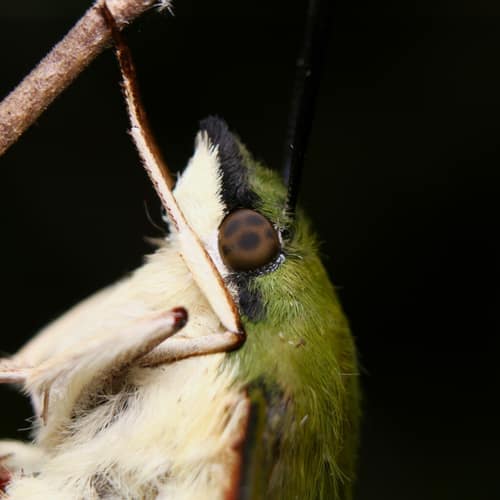
Co-Occurring Relative (c) Matthew Lindsey, some rights reserved (CC BY) · cc-by
Co-Occurring Relative (c) Marvin Smith, some rights reserved (CC BY-SA) · cc-by-sa
Help improve the field guideSomething wrong?
Checking your Fauna account…Report a name, category, or profile issue for review.