
Insect · GBIF taxon 5116353
Milkweed Tussock Moth
Euchaetes egleAlso known as Milkweed Tiger Moth
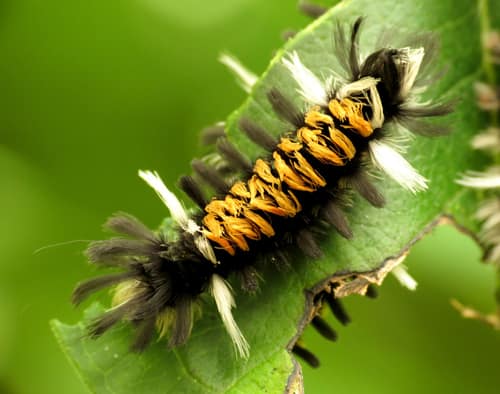
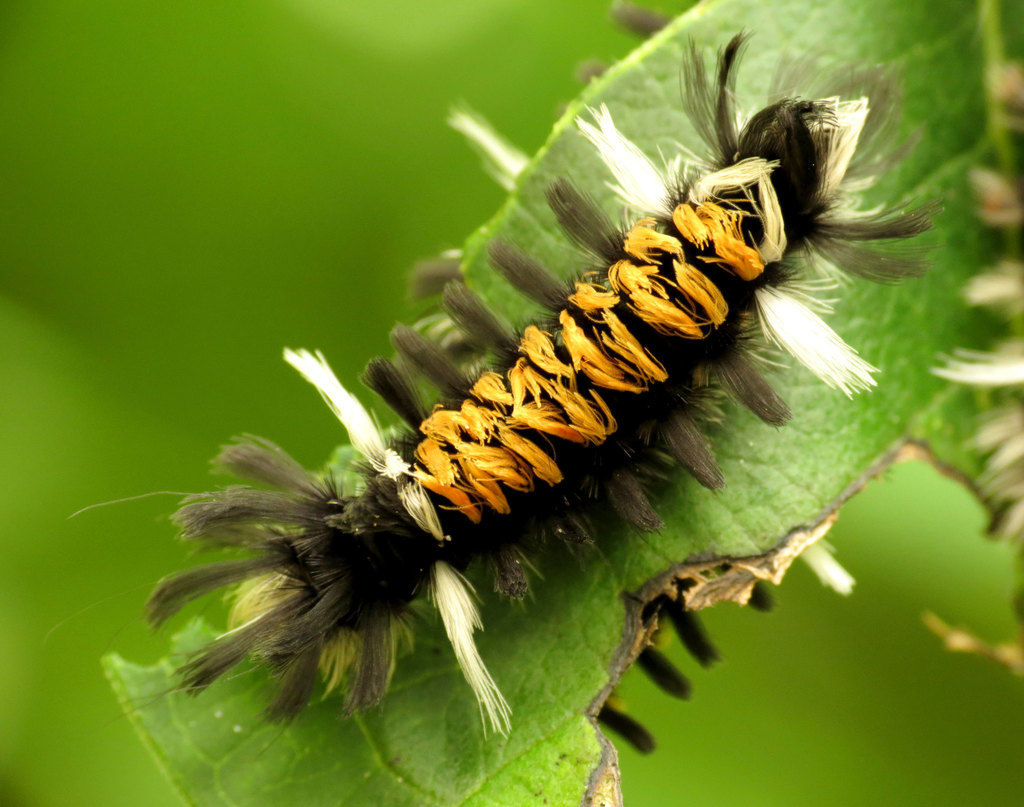
Milkweed tussock moth caterpillars feed gregariously in high-density clusters during early instars, skeletonizing milkweed leaves before scattering as solitary larvae in later stages. Their bodies are covered in dense tufts of orange, black, and white setae that signal their toxic cardiac glycoside content to potential predators. Adult moths display greyish-buff wings and click ultrasonically with tymbal organs to deter echolocating bats at night.
CaterpillarToxicNocturnal
—observations
—countries
—peak records
Not EvaluatedConservation statusIUCN Red List categoriesLCNTVUENCREWEXNot Evaluated — not placed on the risk ladderRed List categories, explained →
Diet & prey
- Common Milkweed
- Swamp Milkweed
- Indian Hemp Dogbane
Predators
- Bats
- Birds
- Spiders
ThreatsPesticide use, habitat loss, and frequent mowing
HabitatsFields, meadows, prairies, roadsides, and gardens
Life span1 year total lifecycle; adults live 1–2 weeks
Classification
- OrderLepidoptera
- FamilyErebidae
- GenusEuchaetes
- SpeciesEuchaetes egle
Range data is not available yet.
Interaction riskHigh
- Low
- Moderate
- High
- Very high
- Why interaction risk is high
- Larval hair tufts can cause mild skin irritation; observe without handling directly.
- Why it is dangerous
- Larval bristles contain mechanical irritants that can produce mild contact dermatitis upon direct skin contact.
- How to recognize a risky encounter
- Look for dense orange, black, and white tufts of hair covering the caterpillar body in toothbrush-like clusters.
- What to do
- Observe larvae on host plants without touching; use a leaf or gloved hands if relocation is necessary.
Responsible observation
- Spotting Larvae: Look for skeletonized milkweed leaves in mid-to-late summer where early instars cluster.
- Handling Caution: Wear gloves if moving caterpillars off paths, as hair tufts can irritate skin.
- Night Watching: Use a blacklight near overgrown meadows in midsummer to attract adult moths.
Competitor Sid Mosdell from New Zealand / CC BY 2.0 · cc-by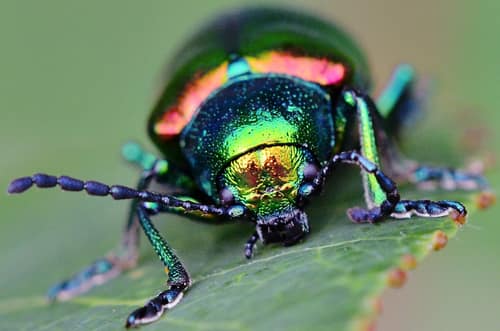
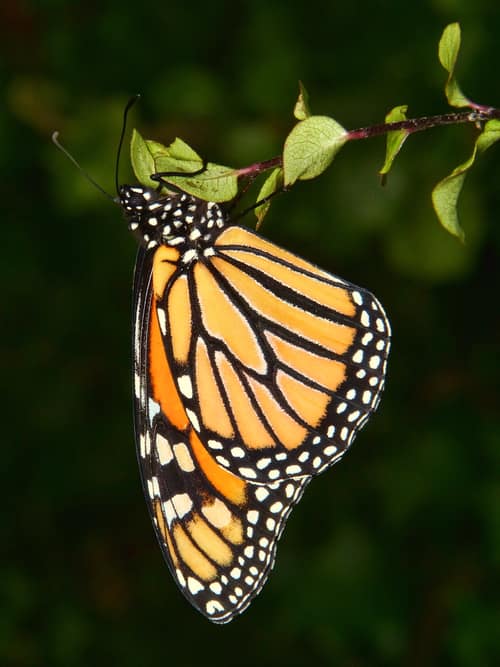
Frequent Companion (c) Jimmy Dee, some rights reserved (CC BY-SA), uploaded by Jimmy Dee · cc-by-sa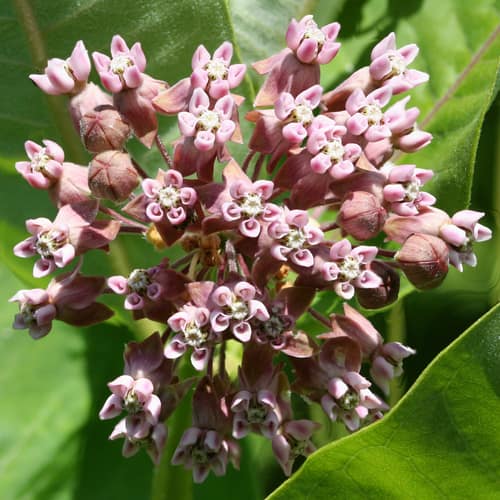
Host Plant (c) Randy Nonenmacher, some rights reserved (CC BY-SA) · cc-by-sa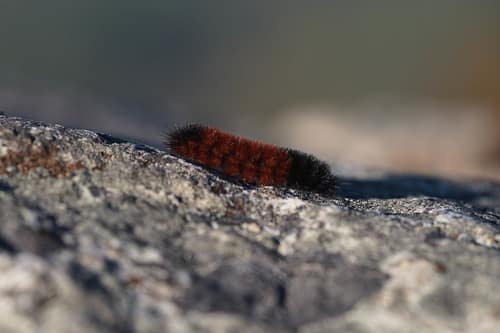
Close Relative "Woolly Bear Caterpillar Spotted!" by soomness is licensed under CC BY 2.0. To view a copy of this license, visit https://creativecommons.org/licenses/by/2.0/. · cc-by
Keep collecting in Fauna
Found in Collections
Species set
Moonlight Marvels
Milkweed Tussock Moth is found in this collection. Identify it in Fauna to fill this slot and continue your progress.
—/7
Help improve the field guideSomething wrong?
Checking your Fauna account…Report a name, category, or profile issue for review.