
Insect · GBIF taxon 5112917
zale lunata
zale lunataAlso known as Lunate Zale Moth
Lunate Zales feature intricately pattern-scalloped forewings with characteristic pale lunar crescents near the wing tips, providing superb camouflage. Adults spend their days resting motionless against tree bark, blending seamlessly into woody trunks until dusk brings them out to fly. Caterpillars feed on a wide range of hardwood foliage, allowing multiple generations to thrive across North American forests and suburban habitats each year.
NocturnalMothCryptic
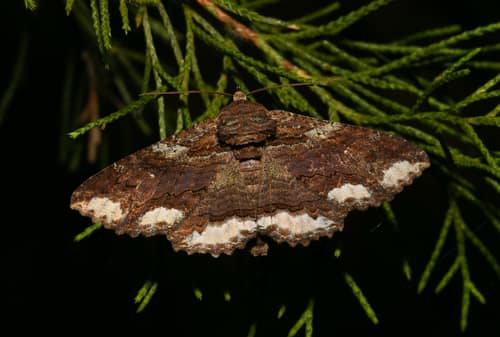
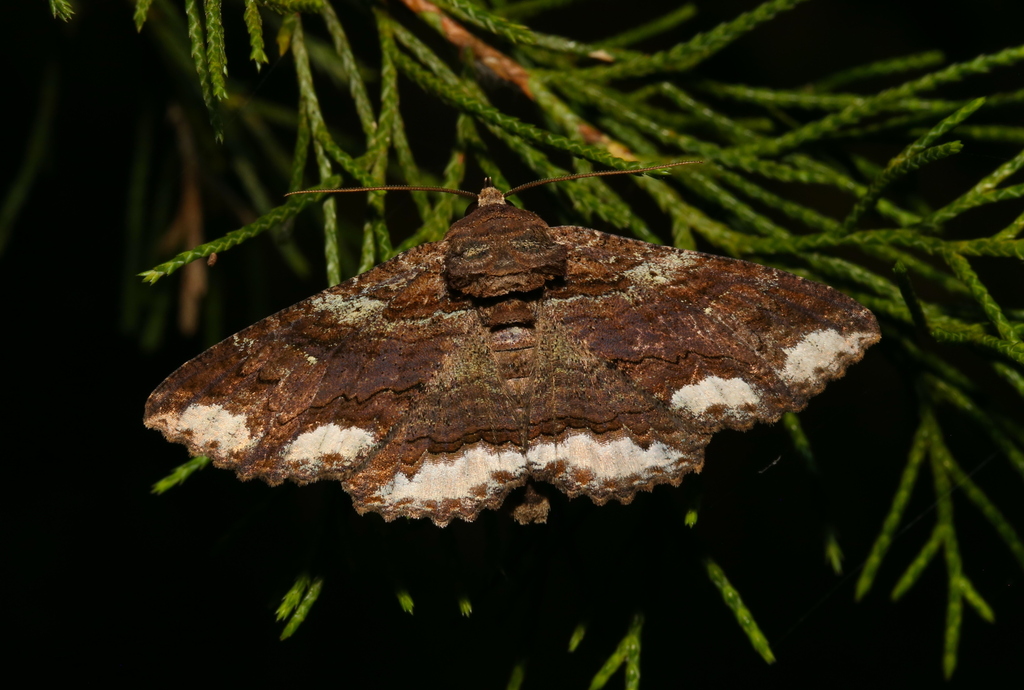 1 / 7
1 / 7—observations
—countries
—peak records
Not EvaluatedConservation statusIUCN Red List categoriesLCNTVUENCREWEXNot Evaluated — not placed on the risk ladderRed List categories, explained →
Diet & prey
- Deciduous Tree Leaves
- Flower Nectar
- Tree Sap
Predators
- Bats
- Insectivorous Birds
- Spiders
ThreatsLight pollution, habitat loss, and broad-spectrum pesticide use.
HabitatsDeciduous woodlands, forest edges, parks, and suburban gardens.
Life spanUp to 1 year across all developmental stages.
Size / weightNot available
Classification
- OrderLepidoptera
- FamilyErebidae
- GenusZale
- Specieszale lunata
Range data is not available yet.
Interaction riskLow
- Low
- Moderate
- High
- Very high
- Why interaction risk is low
- Safe to observe at a normal distance.
Responsible observation
- Attracting Adults: Set up a UV light or apply sweet fermented bait to tree bark at dusk.
- Observing Camouflage: Search mature tree trunks during daylight to spot resting adults.
- Finding Caterpillars: Inspect the foliage of wild cherry and willow trees in summer.
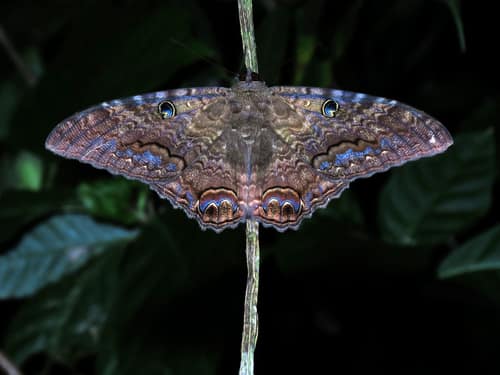
Erebid Cousin (c) Katja Schulz, some rights reserved (CC BY) · cc-by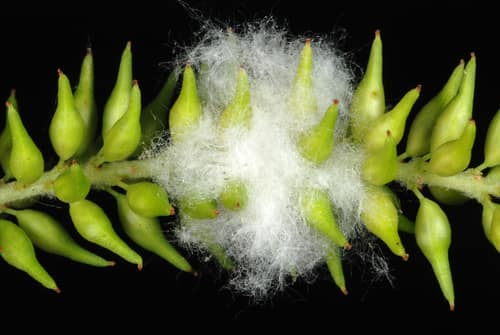
Host Plant (c) Douglas Goldman, some rights reserved (CC BY-SA), uploaded by Douglas Goldman · cc-by-sa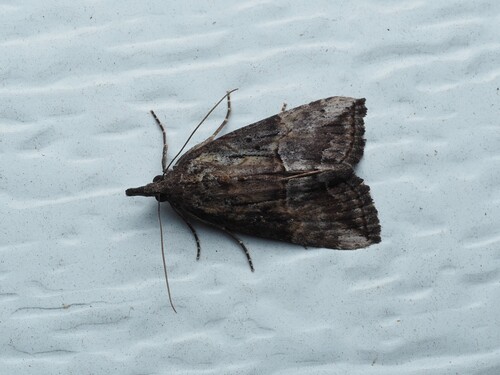
Erebid Relative no rights reserved · cc0 Image unavailable
Close Relative
Keep collecting in Fauna
Found in Collections
Species set
Moonlight Marvels
zale lunata is found in this collection. Identify it in Fauna to fill this slot and continue your progress.
—/7
Help improve the field guideSomething wrong?
Checking your Fauna account…Report a name, category, or profile issue for review.