
Insect
Chrysomya putoria
Chrysomya putoriaAlso known as Tropical African Latrine Blowfly, African Latrine Fly, Latrine Blowfly
Tropical African latrine blowflies thrive in close contact with human habitation, congregating near open latrines, refuse piles, and livestock pens. Adults feed on decaying fluids and sugary plant secretions, while females deposit hundreds of eggs directly into nutrient-rich organic waste or open necrotic wounds. Their rapid larval development makes them vital decomposers in tropical ecosystems and critical subjects in forensic entomology for determining post-mortem intervals.
MetallicDecomposerSynanthropic
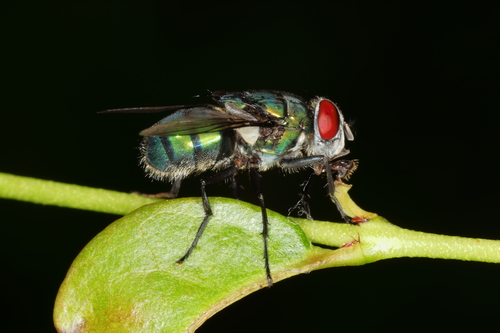
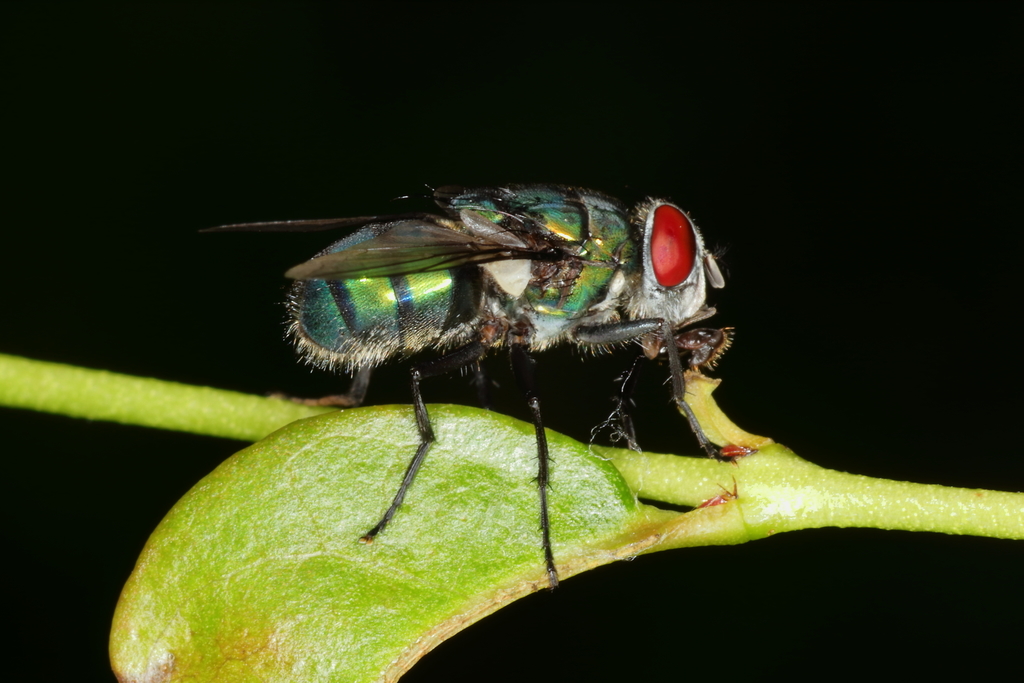
—observations
—countries
—peak records
Not EvaluatedConservation statusIUCN Red List categoriesLCNTVUENCREWEXNot Evaluated — not placed on the risk ladderRed List categories, explained →
Diet & preyDecomposing organic matter, Animal feces, Flower nectar
Predators
- Jumping spiders
- Rove beetles
- Insectivorous birds
ThreatsChemical insecticide spraying and improved sanitation infrastructure
HabitatsHuman settlements, latrines, landfills, pastures, and tropical woodlands
Life span2–6 weeks (adult life stage)
Classification
- OrderDiptera
- FamilyCalliphoridae
- GenusChrysomya
- SpeciesChrysomya putoria
Range data is not available yet.
Interaction riskModerate
- Low
- Moderate
- High
- Very high
- Why interaction risk is moderate
- Carries enteric pathogens and can cause myiasis; practice good hygiene and avoid contact.
- Why it is dangerous
- Adults mechanically transmit enteric bacteria like Salmonella and Shigella from latrines to food, and larvae can infest open wounds.
- How to recognize a risky encounter
- Look for a stocky, metallic green or blue-green body with dark transverse bands across the abdominal segments.
- What to do
- Do not handle living or dead specimens without gloves, and promptly wash any skin or surfaces they touch.
Responsible observation
- Food hygiene: Keep all meals and preparation surfaces tightly covered to avoid bacterial contamination.
- Wound care: Disinfect and bandage open cuts to eliminate the possibility of opportunistic myiasis.
- Waste management: Seal household garbage bins securely to disrupt local breeding cycles.
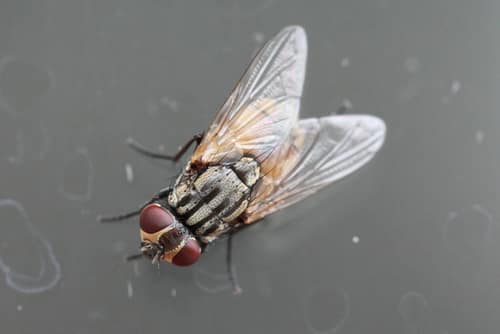
Frequent Companion no rights reserved, uploaded by Richard Fuller · cc0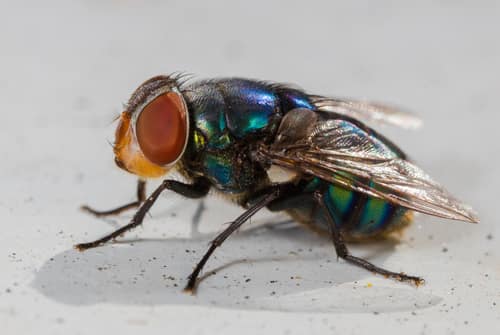
Close Relative (c) portioid, some rights reserved (CC BY), uploaded by portioid · cc-by Image unavailable
Close Relative 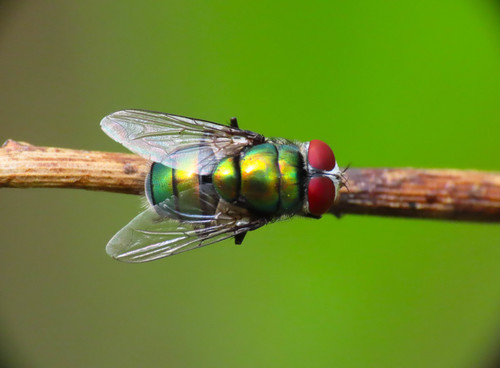
Close Relative (c) Emanuele Santarelli, some rights reserved (CC BY-SA), uploaded by Emanuele Santarelli · cc-by-sa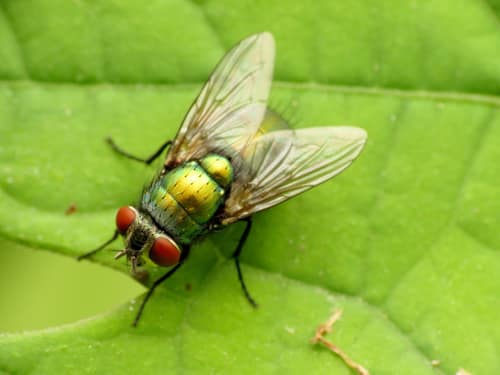
Same Family (c) Katja Schulz, some rights reserved (CC BY), uploaded by Katja Schulz · cc-by
Help improve the field guideSomething wrong?
Checking your Fauna account…Report a name, category, or profile issue for review.