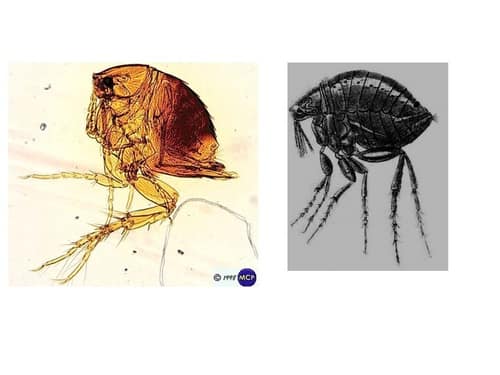
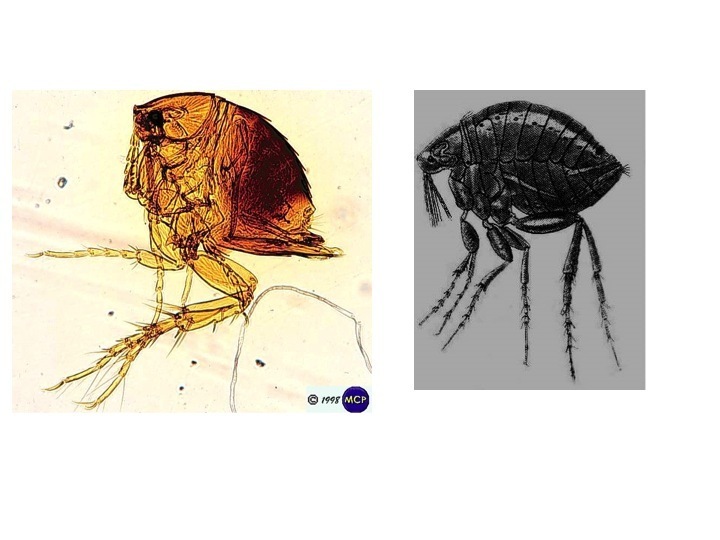
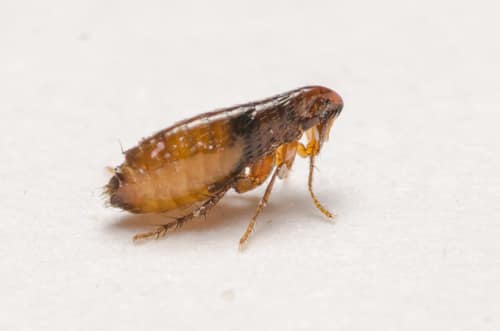
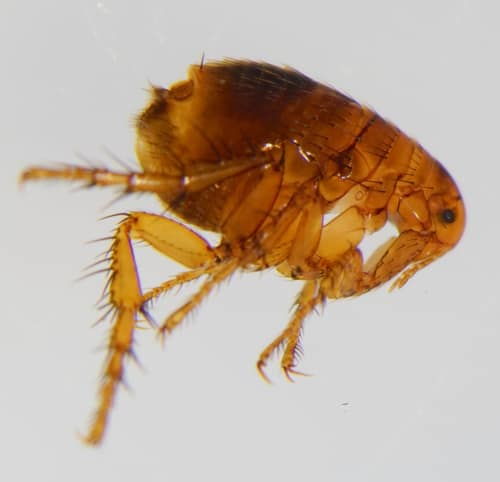
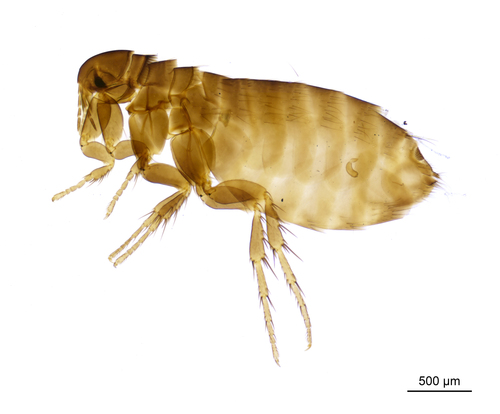
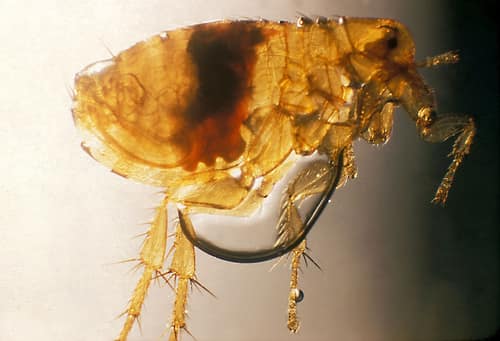
Also known as Chigoe Flea, Sand Flea, Nigua, Burrowing Flea
Females of this tiny parasitic flea burrow entirely into the skin of mammalian hosts, leaving only their posterior tip exposed to breathe, excrete, and release eggs. Over the course of one to two weeks, the embedded female swells up to two thousand times her original volume as her abdomen engorges with blood and hundreds of developing eggs. After shedding eggs into the surrounding soil, the spent female dies in situ, triggering intense inflammation, swelling, and ulceration known as tungiasis.
Not EvaluatedConservation statusIUCN Red List categoriesLCNTVUENCREWEXNot Evaluated — not placed on the risk ladderRed List categories, explained →
Key facts
Diet & preyHuman blood, Pig blood, Dog blood
Predators
Predatory ants
Ground beetles
Mites
ThreatsImproved housing with concrete flooring and insecticide treatments
HabitatsWarm, dry, sandy soils, earthen floors, and dusty village ground
Life span4 to 6 weeks total; embedded female survives about 2 to 3 weeks
Classification
FamilyTungidae
SpeciesTunga penetrans
Range & activity
Range data is not available yet.
Safe observation
Interaction riskModerate
Low
Moderate
High
Very high
Why interaction risk is moderate
Burrows into skin, causing painful tungiasis and high risk of secondary bacterial infections like tetanus.
Why it is dangerous
Fertilized females burrow subcutaneously into skin, creating open ulcerative lesions that frequently develop severe secondary bacterial infections including cellulitis, gangrene, and tetanus.
How to recognize a risky encounter
Infestations present as small, itchy white nodules with a central dark dot, most commonly appearing on toes, soles, and nail beds.
What to do
Do not touch infested soil with bare skin, and avoid unsterile extraction of embedded fleas, which can rupture the insect and worsen bacterial infection.
Responsible observation
Footwear Protection: Wear solid closed-toe shoes and thick socks when walking on dry soil or earthen floors in endemic regions.
Repellent Application: Apply plant-based or insect repellents such as DEET or Zanzarin to feet and ankles to deter host-seeking fleas.
Medical Care: Never attempt to dig embedded fleas out with unsterilized tools; seek prompt medical extraction to prevent severe infection.