
Insect
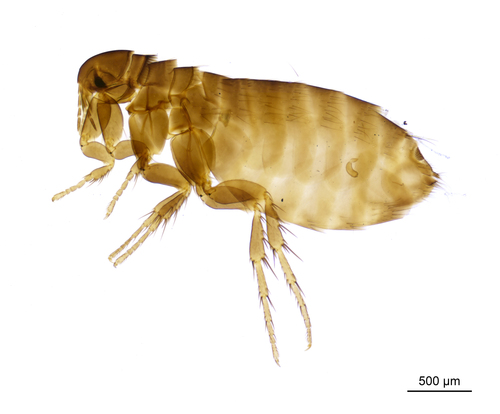
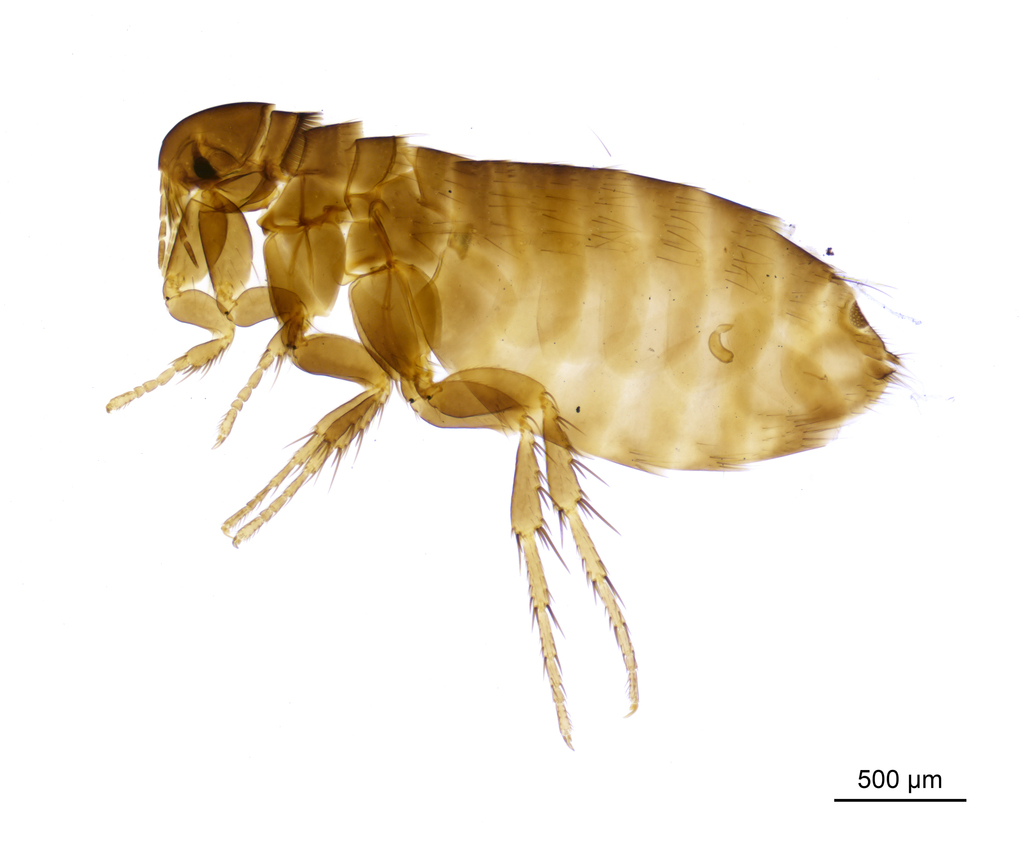
Hen Flea
Echidnophaga gallinaceaAlso known as Sticktight Flea, Stickfast Flea, Chicken Flea
Hen fleas, widely known as sticktight fleas, are notorious ectoparasites that permanently anchor themselves to host skin using serrated mouthparts. Unlike free-roaming fleas, mated adult females cluster in dense, crusty patches on bare flesh around the eyes, comb, and wattles of poultry, remaining embedded for weeks while feeding and laying eggs. Heavy infestations cause severe blood loss, blindness, and secondary bacterial infections that can prove fatal to young chicks.
ParasiteWinglessBlood-feeding
—observations
—countries
—peak records
Not EvaluatedConservation statusIUCN Red List categoriesLCNTVUENCREWEXNot Evaluated — not placed on the risk ladderRed List categories, explained →
Diet & preyDomestic fowl blood, Rodent blood, Wild bird blood
Predators
- Ants
- Predatory mites
- Parasitoid wasps
ThreatsVeterinary parasiticides, dry heat, and coop sanitation
HabitatsPoultry coops, nest boxes, animal burrows, and warm sandy soil
Life span1–2 months as an adult; complete lifecycle takes 4–8 weeks
Classification
- FamilyPulicidae
- SpeciesEchidnophaga gallinacea
Range data is not available yet.
Interaction riskModerate
- Low
- Moderate
- High
- Very high
- Why interaction risk is moderate
- Vectors murine typhus and causes severe irritation; avoid bare-skin contact with infested poultry or coop bedding.
- Why it is dangerous
- Females anchor firmly into host skin to suck blood, producing ulcerated skin lesions, anemia, and potentially transmitting Rickettsia typhi.
- How to recognize a risky encounter
- Minute, dark reddish-brown wingless insects gathered in immobile, raised clusters on bare facial skin of birds.
- What to do
- Do not tear embedded fleas off host tissue by hand, and wash thoroughly after inspecting poultry or wild birds.
Responsible observation
- Gloves required: Wear protective disposable gloves and long sleeves when handling infested poultry.
- Litter management: Remove and burn or bag dry coop bedding where eggs and larvae develop.
- Targeted care: Consult a veterinarian for approved topical treatments rather than pulling embedded fleas by force.
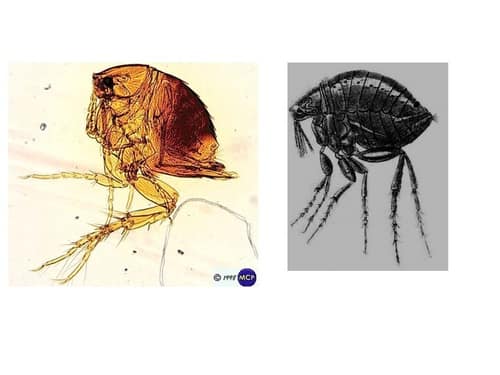
Related Genus (c) Michael Wunderli, some rights reserved (CC BY) · cc-by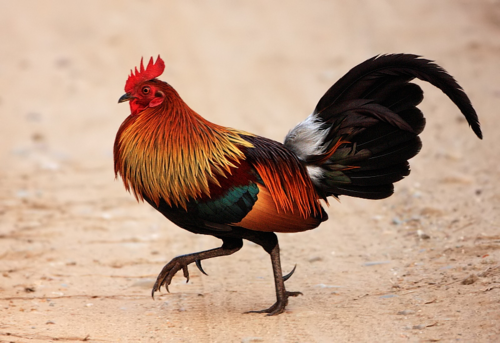
Host Species Subramanya C K / CC BY-SA 3.0 · cc-by-sa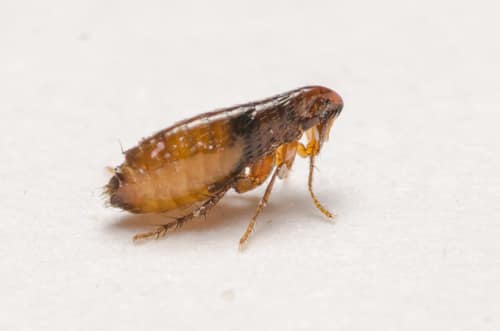
Same Family (c) Justin Williams, some rights reserved (CC BY), uploaded by Justin Williams · cc-by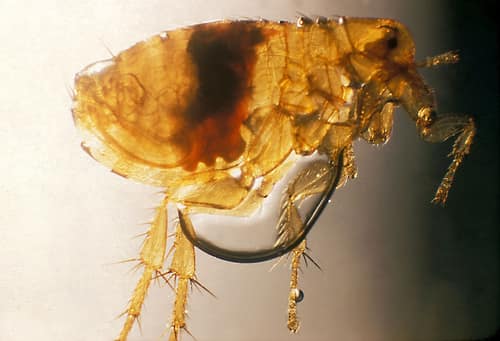
Same Family CDC/Dr. Pratt / Public domain · cc0
Help improve the field guideSomething wrong?
Checking your Fauna account…Report a name, category, or profile issue for review.