
Insect · GBIF taxon 5050261
Coconut Stick Insect
Graeffea crouaniiAlso known as Coconut Stick-insect, Coconut Phasmid
Masters of crypsis across South Pacific atolls, coconut stick insects mimic palm frond midribs with remarkable fidelity to evade avian predators during the day. Adults feed under cover of darkness, chewing broad notches into mature coconut leaves and occasionally gathering in dense numbers that strip entire plantation canopies. Females flick heavy, seed-like eggs from the canopy into the leaf litter below, where nymphs hatch after several months to make the long climb back to the crown.
CamouflageArborealHerbivore
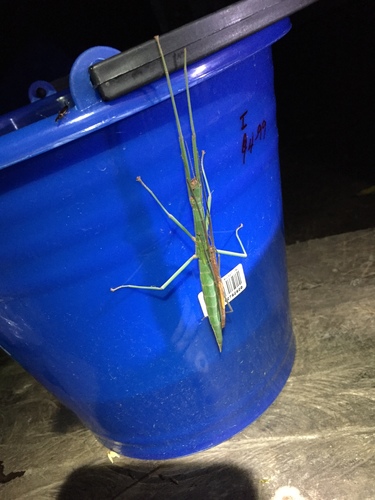
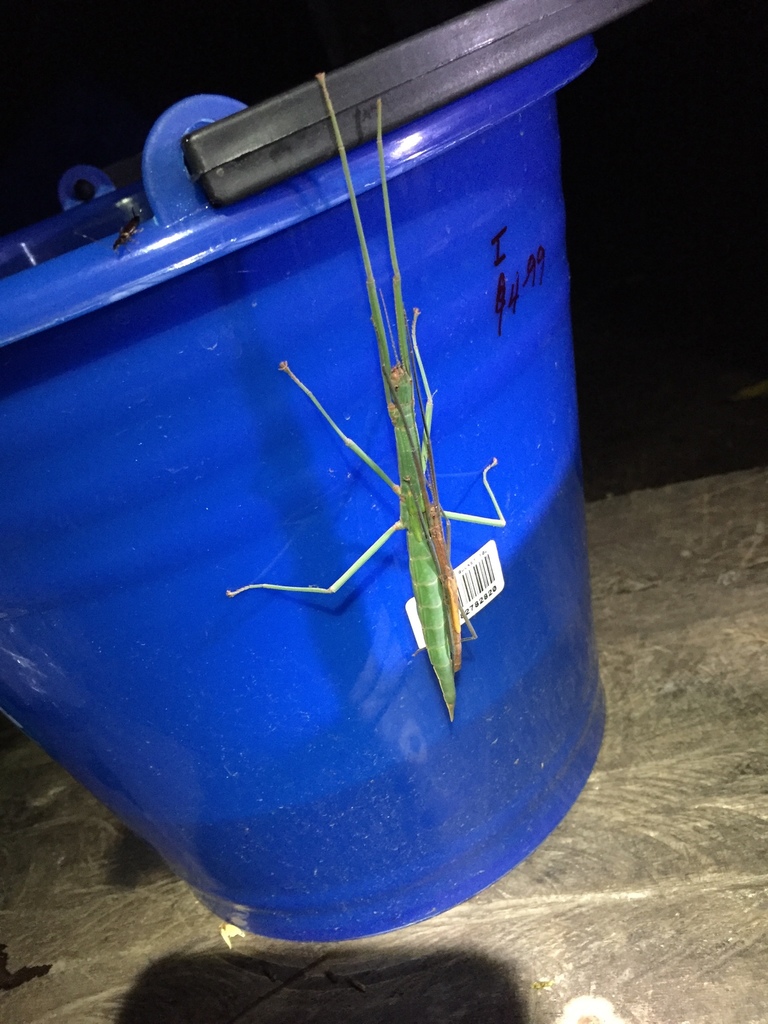
Licensed reference(c) Lee Cain, some rights reserved (CC BY), uploaded by Lee Cain · cc-by
—observations
—countries
—peak records
Not EvaluatedConservation statusIUCN Red List categoriesLCNTVUENCREWEXNot Evaluated — not placed on the risk ladderRed List categories, explained →
Diet & prey
- Coconut palm foliage
- Pandanus leaves
- Oil palm fronds
Predators
- Pacific kingfisher
- Polynesian starling
- House gecko
ThreatsSevere tropical cyclones, habitat loss, and agricultural pest management
HabitatsTropical coastal strand, coconut plantations, and island forests
Life span6–12 months
Classification
- FamilyPhasmatidae
- SpeciesGraeffea crouanii
Range data is not available yet.
Interaction riskLow
- Low
- Moderate
- High
- Very high
- Why interaction risk is low
- Safe to observe at a normal distance.
Responsible observation
- Night searching: Check the undersides of low-hanging palm fronds after dusk with a headlamp to find active feeding adults.
- Gentle observation: Avoid pulling them from vegetation, as their legs can break easily when clinging with tarsal hooks.
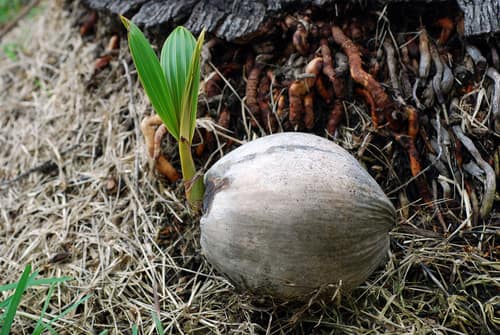
Host Plant (c) Douglas Goldman, some rights reserved (CC BY-SA), uploaded by Douglas Goldman · cc-by-sa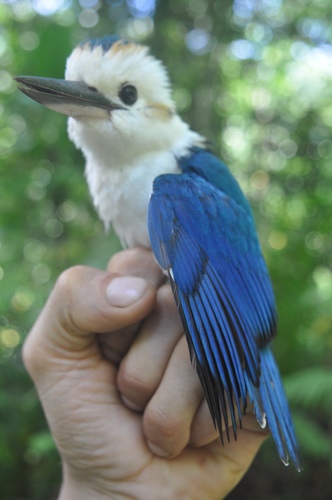
Predator (c) Ben Hayden, some rights reserved (CC BY), uploaded by Ben Hayden · cc-by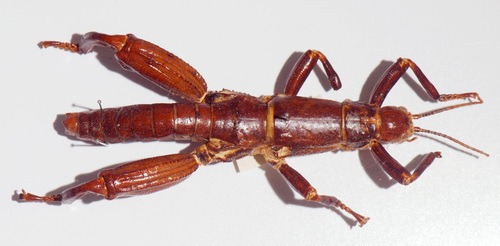
Same Family (c) Dryococelus_australis_02_Pengo.jpg, some rights reserved (CC BY-SA) · cc-by-sa
Help improve the field guideSomething wrong?
Checking your Fauna account…Report a name, category, or profile issue for review.