
Insect
Introduced Pine Sawfly
Diprion similisAlso known as Imported Pine Sawfly
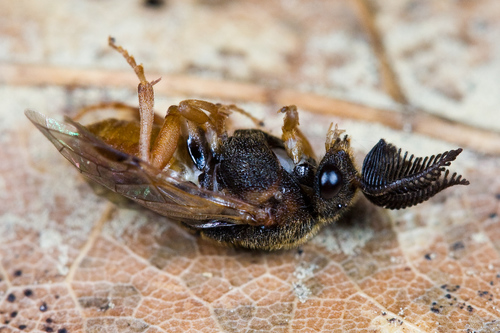
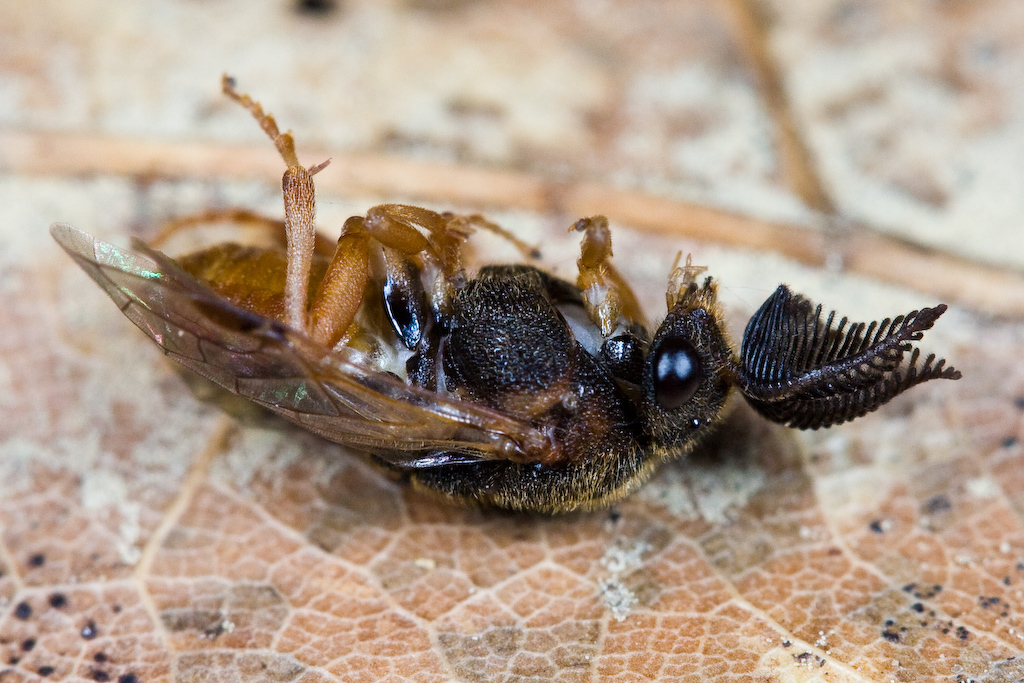
Introduced pine sawfly larvae possess distinct black and yellow patterned bodies with shiny black head capsules, making them easy to spot as they strip pine foliage. Females cut slits into needle edges to deposit eggs, allowing hatched larvae to feed in groups before spinning tough, leather-like cocoons on branches or litter. Introduced to North America from Eurasia, heavy feeding by these insects can completely defoliate host trees, weakening them against secondary stress.
Pine DefoliatorInvasive InsectCaterpillar-like
—observations
—countries
—peak records
Not EvaluatedConservation statusIUCN Red List categoriesLCNTVUENCREWEXNot Evaluated — not placed on the risk ladderRed List categories, explained →
Diet & preyEastern white pine needles, Scots pine needles, Jack pine needles
Predators
- Songbirds
- Parasitoid wasps
- Rodents
ThreatsParasitoid wasps, extreme cold weather, chemical treatments
HabitatsConiferous forests, pine plantations, suburban parks
Life span1 year
Classification
- OrderHymenoptera
- FamilyDiprionidae
- GenusDiprion
- SpeciesDiprion similis
Range data is not available yet.
Interaction riskLow
- Low
- Moderate
- High
- Very high
- Why interaction risk is low
- Safe to observe at a normal distance.
Responsible observation
- Host Tree Check: Look for stripped pine branches with telltale yellow and black larvae feeding in groups.
- Garden Protection: Handpick larvae off small ornamental pines to prevent foliage damage.
- Cocoon Spotting: Search bark crevices and leaf litter for dark brown, capsule-shaped cocoons in autumn.
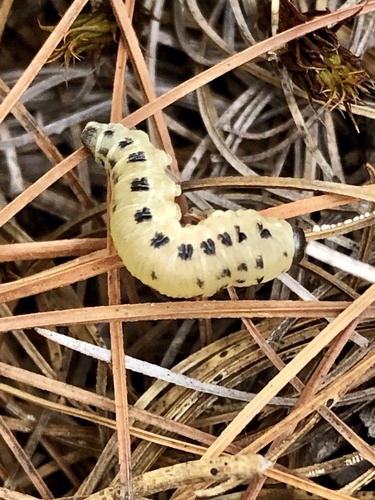
Look-Alike Pest (c) Marina, some rights reserved (CC BY) · cc-by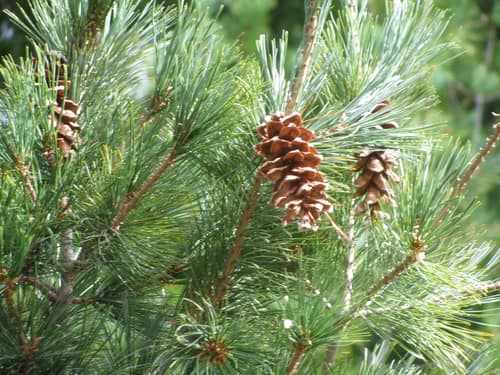
Primary Host Plant (c) Forest and Kim Starr, some rights reserved (CC BY) · cc-by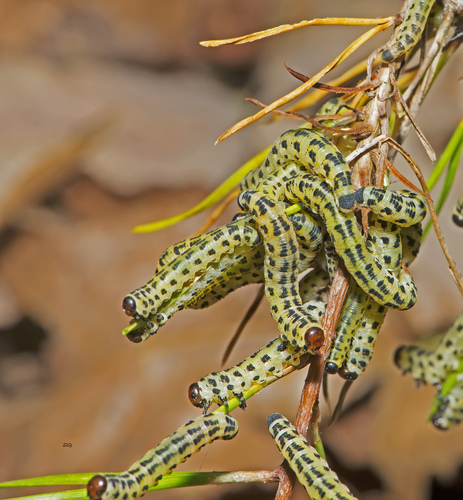
Family Relative (c) Seig, some rights reserved (CC BY), uploaded by Seig · cc-by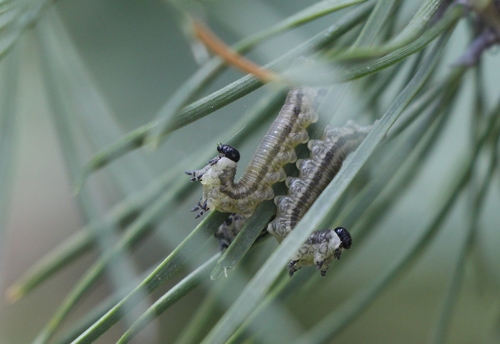
European Relative no rights reserved · cc0
Help improve the field guideSomething wrong?
Checking your Fauna account…Report a name, category, or profile issue for review.