
Insect · GBIF taxon 5002722
Red Milkweed Beetle
Tetraopes tetrophthalmusAlso known as Milkweed Beetle, Four-eyed Longhorn Beetle
Red milkweed beetles wear brilliant scarlet coats stamped with black spots, warning potential predators of the toxic cardiac glycosides sequestered from their plant diet. Antennae bisect each eye into two distinct halves, effectively giving the insect four functional eyes. When startled, adults stridulate by rubbing thorax segments together, producing a tiny audible squeak.
DiurnalHerbivoreAposematic
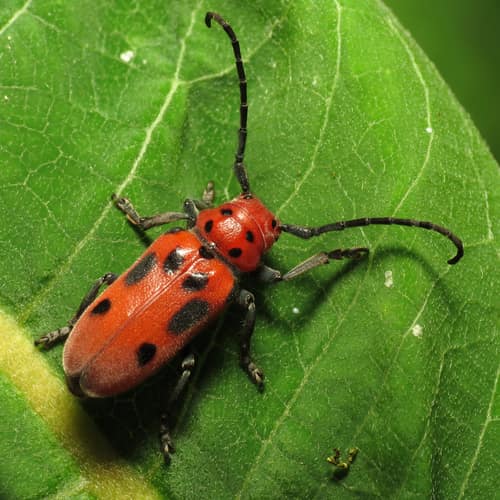
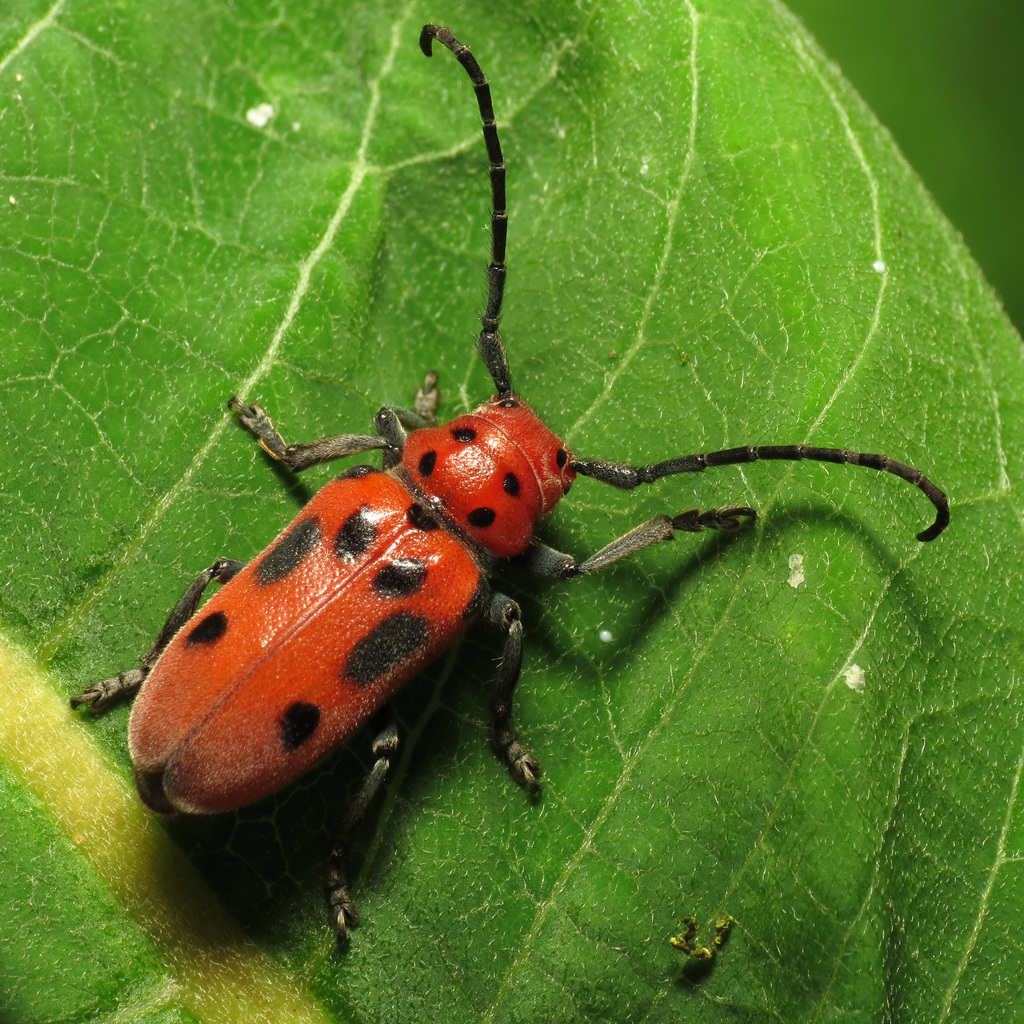
—observations
—countries
—peak records
Not EvaluatedConservation statusIUCN Red List categoriesLCNTVUENCREWEXNot Evaluated — not placed on the risk ladderRed List categories, explained →
Diet & prey
- Common Milkweed
- Swamp Milkweed
- Butterfly Weed
Predators
- Birds
- Spiders
- Robber Flies
ThreatsHabitat loss, widespread herbicide use, decline of host milkweed plants
HabitatsFields, meadows, prairies, roadsides, and gardens with milkweeds
Life span1 year (adults live 1–2 months in summer)
Size / weightNot available
Classification
- OrderColeoptera
- FamilyCerambycidae
- GenusTetraopes
- SpeciesTetraopes tetrophthalmus
Range data is not available yet.
Interaction riskLow
- Low
- Moderate
- High
- Very high
- Why interaction risk is low
- Safe to observe at a normal distance.
Responsible observation
- Look on milkweeds: Search the upper leaves and flower clusters of common milkweed during warm summer days.
- Listen closely: Listen for a faint squeaking sound if the beetle feels threatened or disturbed.
- Examine the eyes: Check the face up close to see how each antenna socket splits the eye into two parts.
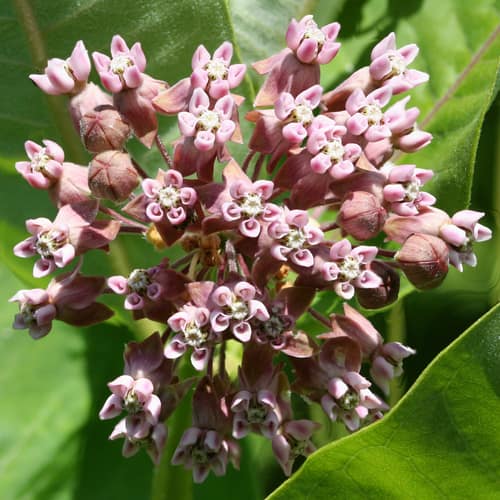
Host Plant (c) Randy Nonenmacher, some rights reserved (CC BY-SA) · cc-by-sa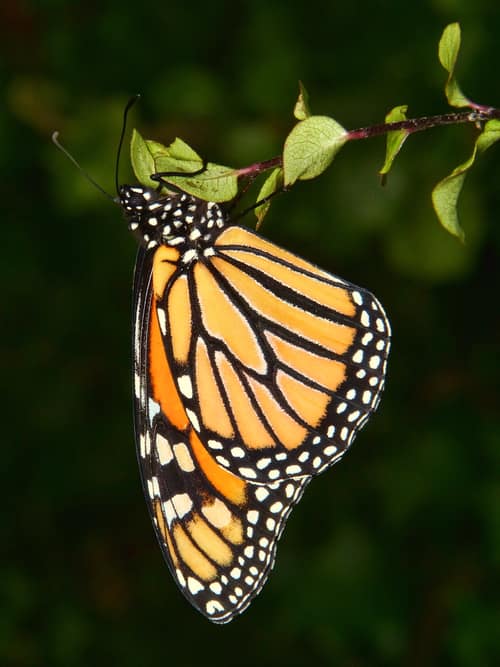
Competitor Sid Mosdell from New Zealand / CC BY 2.0 · cc-by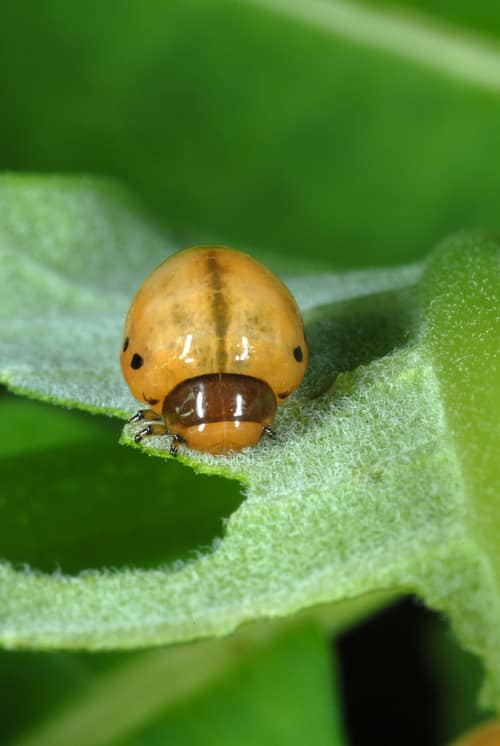
Competitor (c) Douglas Goldman, some rights reserved (CC BY-SA), uploaded by Douglas Goldman · cc-by-sa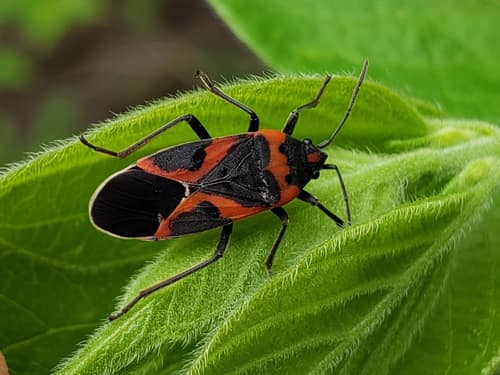
Competitor (c) Tyler Bishop, some rights reserved (CC BY), uploaded by Tyler Bishop · cc-by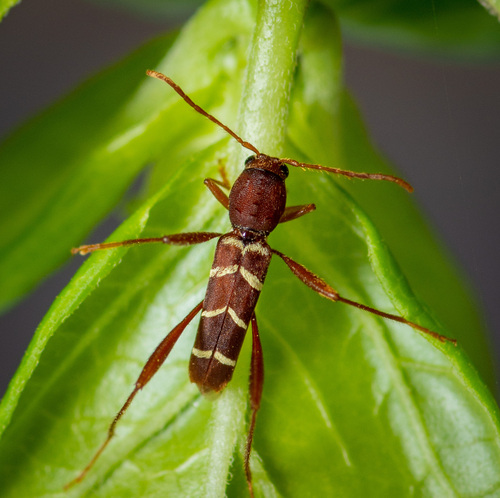
Close Relative (c) Justin Williams, some rights reserved (CC BY), uploaded by Justin Williams · cc-by
Help improve the field guideSomething wrong?
Checking your Fauna account…Report a name, category, or profile issue for review.