
Insect
Northern Masked Chafer
Cyclocephala borealisAlso known as Masked Chafer Beetle, Northern White Grub
Northern masked chafers spend the vast majority of their life cycle underground as c-shaped white grubs that chew through the root systems of turfgrasses and pasture plants. Adult beetles emerge on warm summer evenings, flying actively at dusk and crowding around porch lights in search of mates. Unlike many related scarabs, the adults do not actively feed on foliage or flowers, relying entirely on fat reserves stored during their larval stage.
NocturnalBurrowingSubterranean
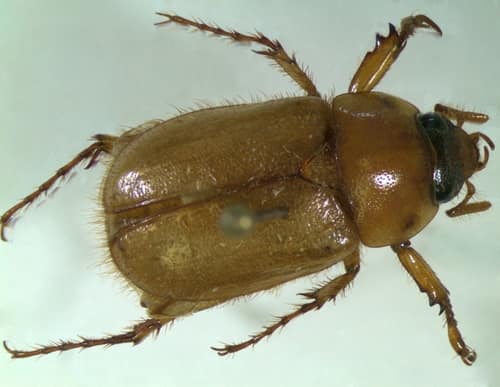
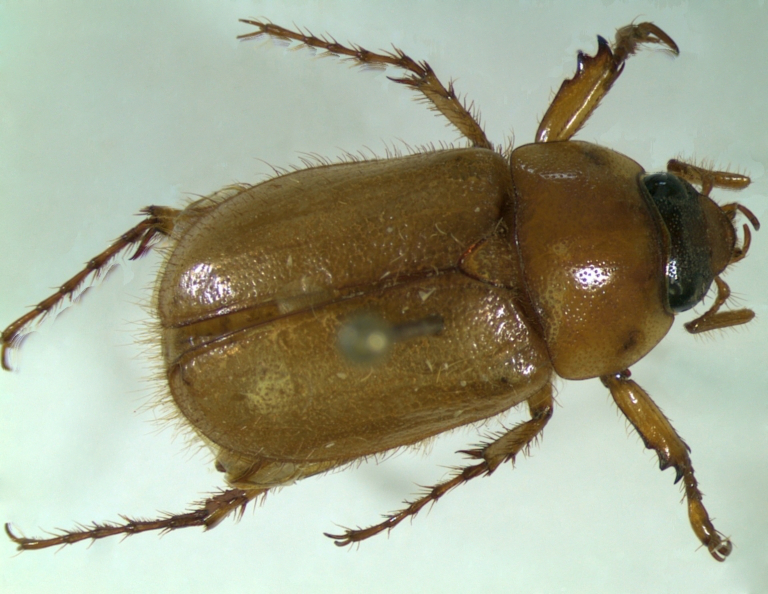
—observations
—countries
—peak records
Not EvaluatedConservation statusIUCN Red List categoriesLCNTVUENCREWEXNot Evaluated — not placed on the risk ladderRed List categories, explained →
Diet & preyTurfgrass Roots, Soil Organic Matter, Pasture Roots
Predators
- Striped Skunk
- American Crow
- European Starling
ThreatsChemical pesticides, turf management practices, and severe soil drought
HabitatsLawns, pastures, golf courses, meadows, and agricultural fields
Life span1 year (10–11 months as a subterranean grub)
Classification
- OrderColeoptera
- FamilyScarabaeidae
- GenusCyclocephala
- SpeciesCyclocephala borealis
Range data is not available yet.
Interaction riskLow
- Low
- Moderate
- High
- Very high
- Why interaction risk is low
- Harmless to humans; safe to observe at a normal distance.
Responsible observation
- Night Lighting: Check outdoor light fixtures and window screens on humid midsummer nights to view adults.
- Lawn Assessment: Gently pull back spongy patches of dying turf in late summer to locate feeding grubs beneath.
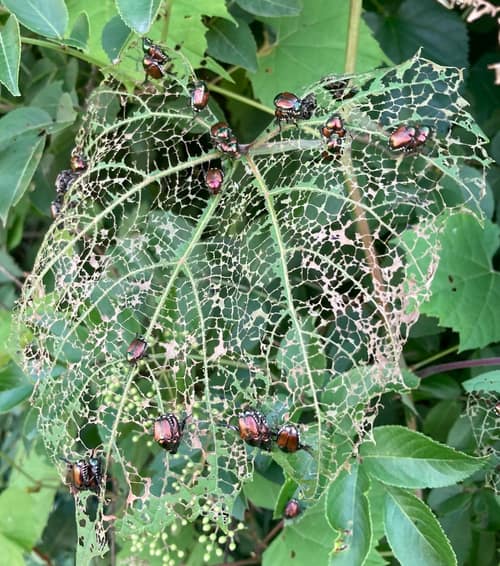
Competitor no rights reserved, uploaded by bgirardot · cc0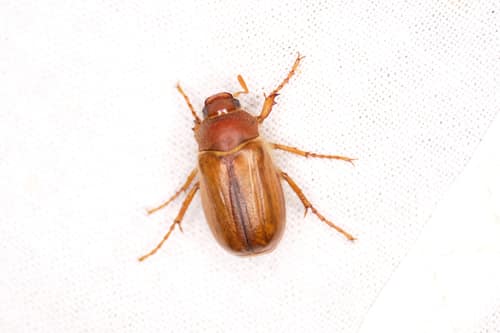
Competitor (c) Chris Ratzlaff, some rights reserved (CC BY), uploaded by Chris Ratzlaff · cc-by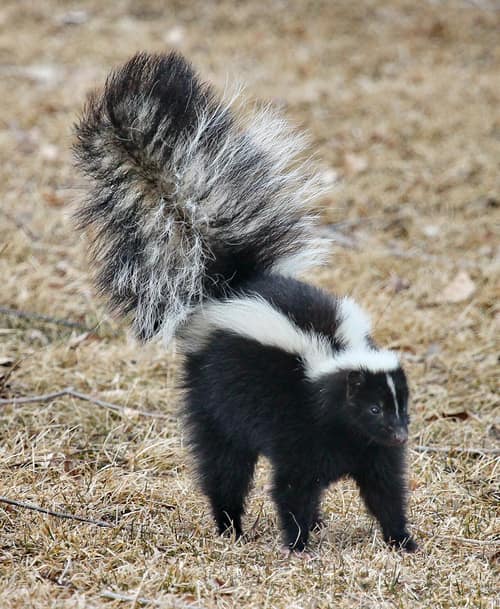
Predator Wallace Keck / Public domain · cc0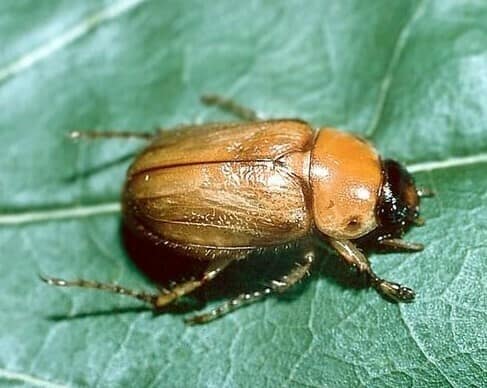
Close Relative (c) Kansas Department of Agriculture, Bugwood.org, some rights reserved (CC BY) · cc-by
Help improve the field guideSomething wrong?
Checking your Fauna account…Report a name, category, or profile issue for review.