
Mammal
Pakicetus inachus
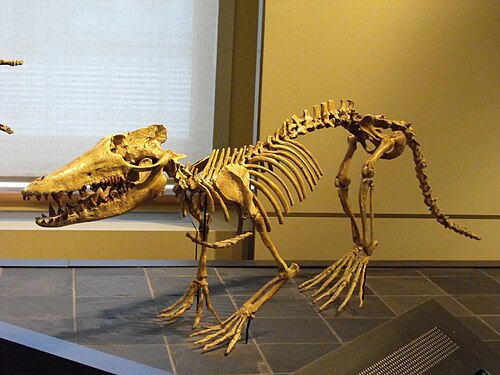
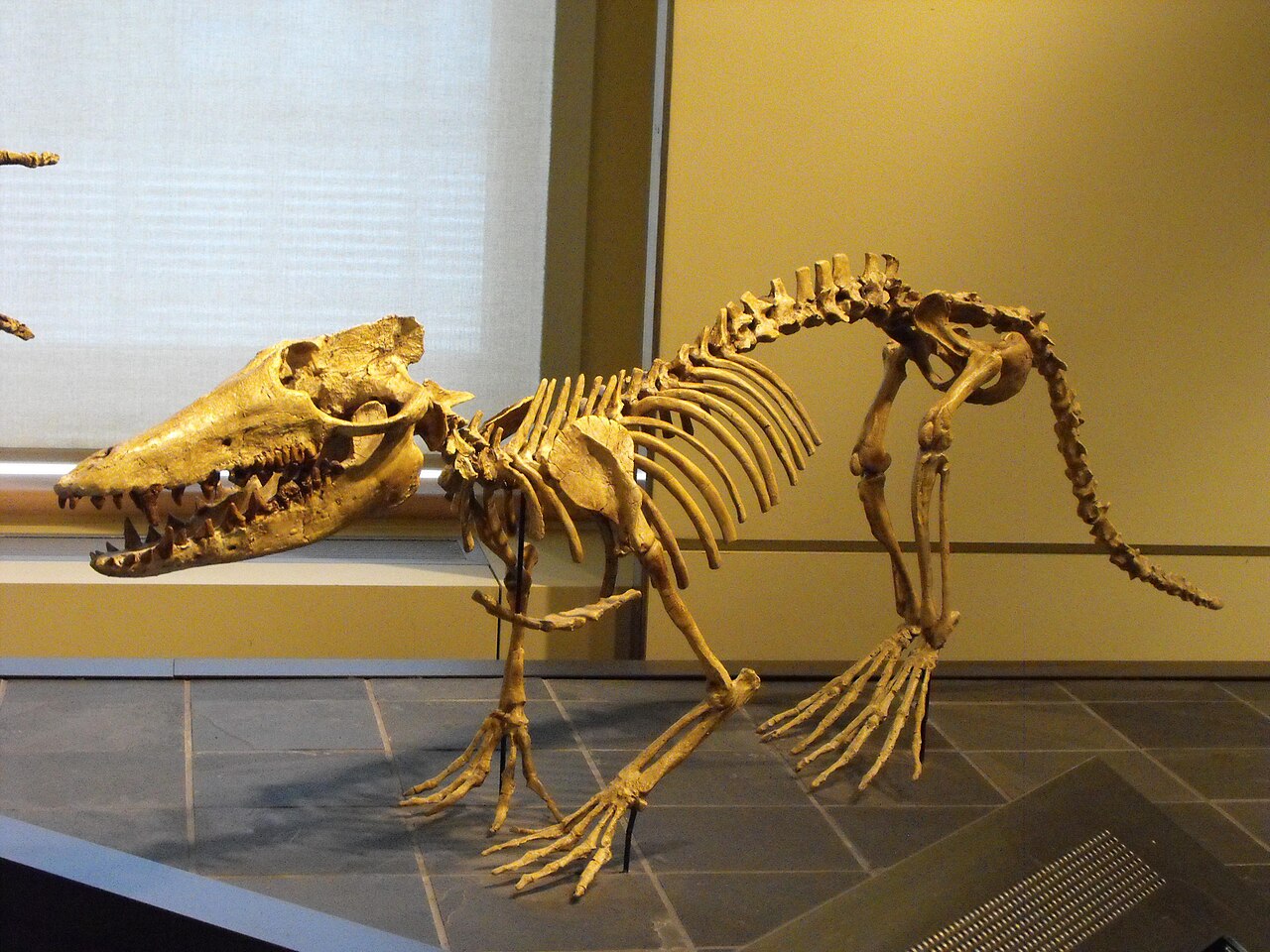
Pakicetus inachusPakicetus inachus was an early amphibious ancestor of modern whales that prowled riverbanks and shallow coastal estuaries across ancient South Asia. Possessing slender, wolf-like limbs and an elongated snout lined with pointed teeth, it waded into freshwater shallows to snatch fish while maintaining the ability to run on dry land. Its skull featured a thickened auditory bulla with a distinctive sigmoid process, a specialized inner-ear trait shared uniquely with later cetaceans.
PrehistoricCarnivorousSemi-aquatic
—observations
—countries
—peak records
ExtinctConservation statusIUCN Red List categoriesLCNTVUENCREWEXExtinctRed List categories, explained →
Diet & preyFreshwater fish, Amphibians, Small land vertebrates
Predators
- Crocodylomorphs
- Large predatory creodonts
ThreatsNatural climate shifts and competitive replacement by more specialized aquatic descendants
HabitatsFreshwater river systems, floodplains, and coastal estuaries
Life spanApproximately 15–25 years
Classification
- OrderCetacea
- FamilyProtocetidae
- GenusPakicetus
- SpeciesPakicetus inachus
Range data is not available yet.
Interaction riskLow
- Low
- Moderate
- High
- Very high
- Why interaction risk is low
- Extinct prehistoric mammal known only from early Eocene fossil deposits.
Responsible observation
- Fossil examination: View cranial and postcranial casts in natural history museums to examine its unique ear bones.
- Comparative anatomy: Compare its limb morphology to modern artiodactyls like chevrotains and deer to trace ungulate ancestry.
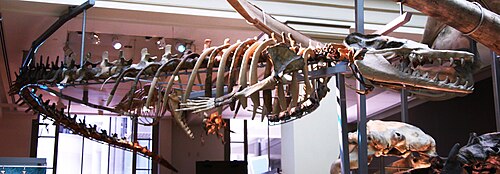
Descendant Lineage Tim from Washington, D.C., United States of America / CC BY-SA 2.0 · cc-by-sa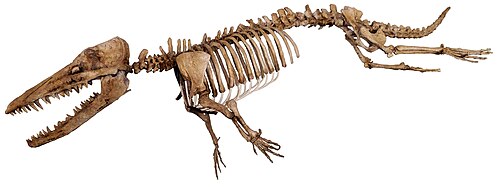
Close Relative Notafly / CC BY-SA 3.0 · cc-by-sa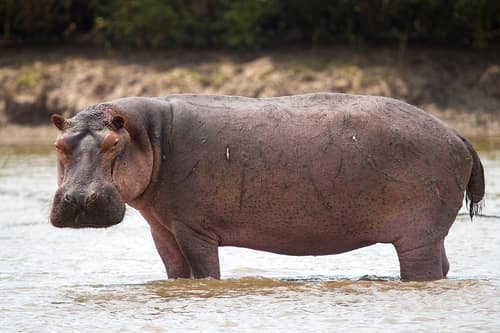
Modern Relative Muhammad Mahdi Karim / CC BY-SA 4.0 · cc-by-sa
Help improve the field guideSomething wrong?
Checking your Fauna account…Report a name, category, or profile issue for review.