
Mammal
Ambulocetus natans
Ambulocetus natansAlso known as Walking Whale
Ambulocetus natans hunted as a stealthy ambush predator in the coastal bays and river estuaries of ancient Pakistan, lurking beneath the surface much like a modern crocodilian. It propelled its robust body through brackish waterways using oversized, webbed hind feet and vertical undulations of its flexible spine rather than a tail fluke. Strong forelimbs and sturdy hips still permitted it to haul out onto sandy shores, making it a pivotal transitional form between terrestrial artiodactyls and modern ocean-dwelling whales.
PrehistoricSemiaquaticCarnivorous
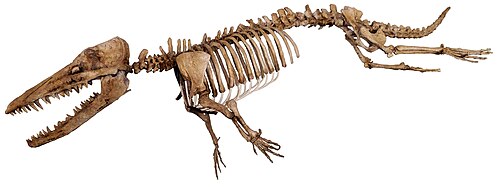
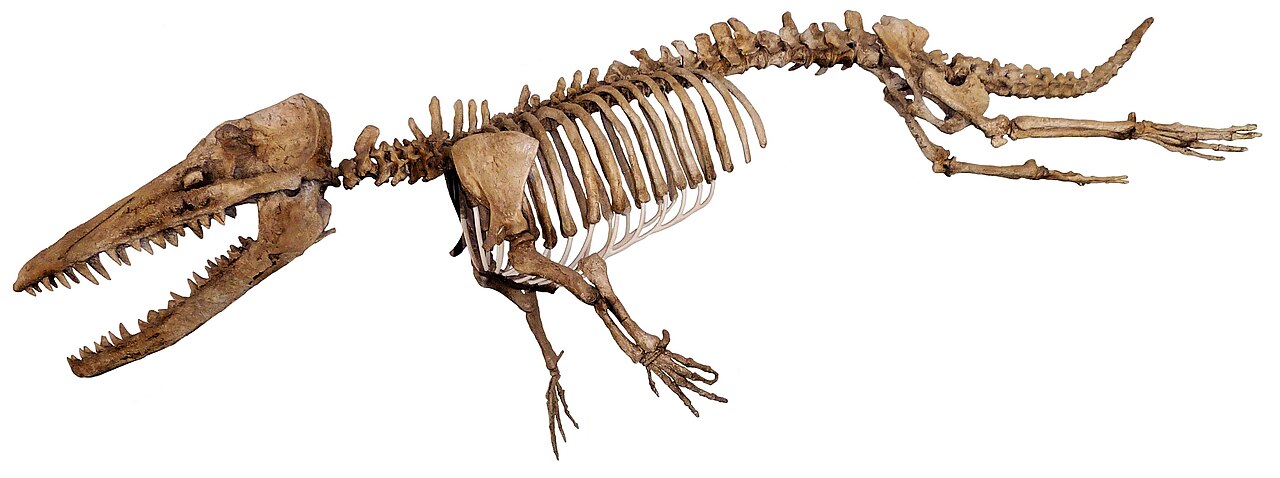
—observations
—countries
—peak records
ExtinctConservation statusIUCN Red List categoriesLCNTVUENCREWEXExtinctRed List categories, explained →
Diet & preyBony fishes, Early ungulates, Small aquatic vertebrates
Predators
- Large Eocene crocodyliforms
ThreatsExtinction during the middle Eocene epoch
HabitatsCoastal estuaries, shallow bays, and freshwater river deltas
Life spanEstimated 15–30 years
Classification
- OrderCetacea
- FamilyAmbulocetidae
- GenusAmbulocetus
- SpeciesAmbulocetus natans
Range data is not available yet.
Interaction riskHigh
- Low
- Moderate
- High
- Very high
- Why interaction risk is high
- Extinct fossil species; impossible to encounter living specimens in the wild.
Responsible observation
- Museum Viewing: Observe fossil casts and reconstructed skeletons in major natural history museums.
- Anatomical Study: Examine the dense bone structure and large hind limbs that enabled an amphibious lifestyle.
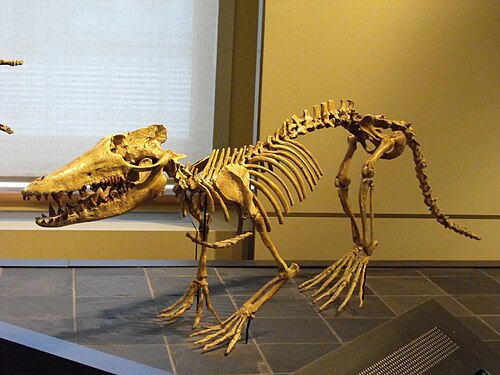
Close Relative Kevin Guertin from Ottawa, Ontario, Canada / CC BY-SA 2.0 · cc-by-sa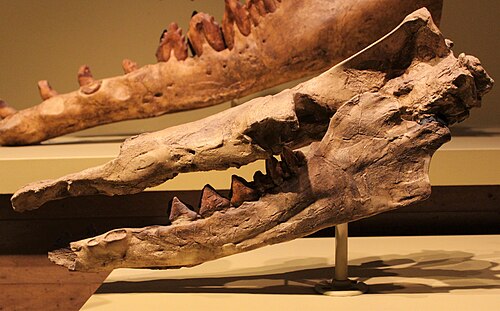
Close Relative Jonathan Chen / CC BY-SA 4.0 · cc-by-sa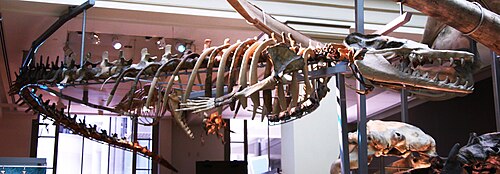
Relative Tim from Washington, D.C., United States of America / CC BY-SA 2.0 · cc-by-sa Image unavailable
Same Family
Help improve the field guideSomething wrong?
Checking your Fauna account…Report a name, category, or profile issue for review.