
Mammal
Indohyus indirae
Indohyus indiraeIndohyus indirae was a small, raccoon-sized wading artiodactyl that roamed freshwater riverbanks across ancient northern India roughly 48 million years ago. Anatomical studies reveal dense, thickened limb bones that served as ballast and an involucrum inside the ear cavity, cementing its position as one of the closest known extinct relatives of modern cetaceans. Resembling a modern water chevrotain, it grazed on riparian vegetation and likely submerged itself in tranquil streams to forage or evade terrestrial predators.
FossilPrehistoric
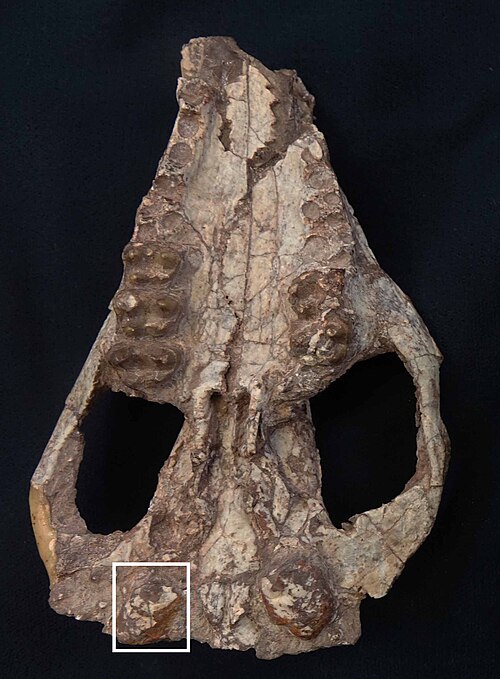
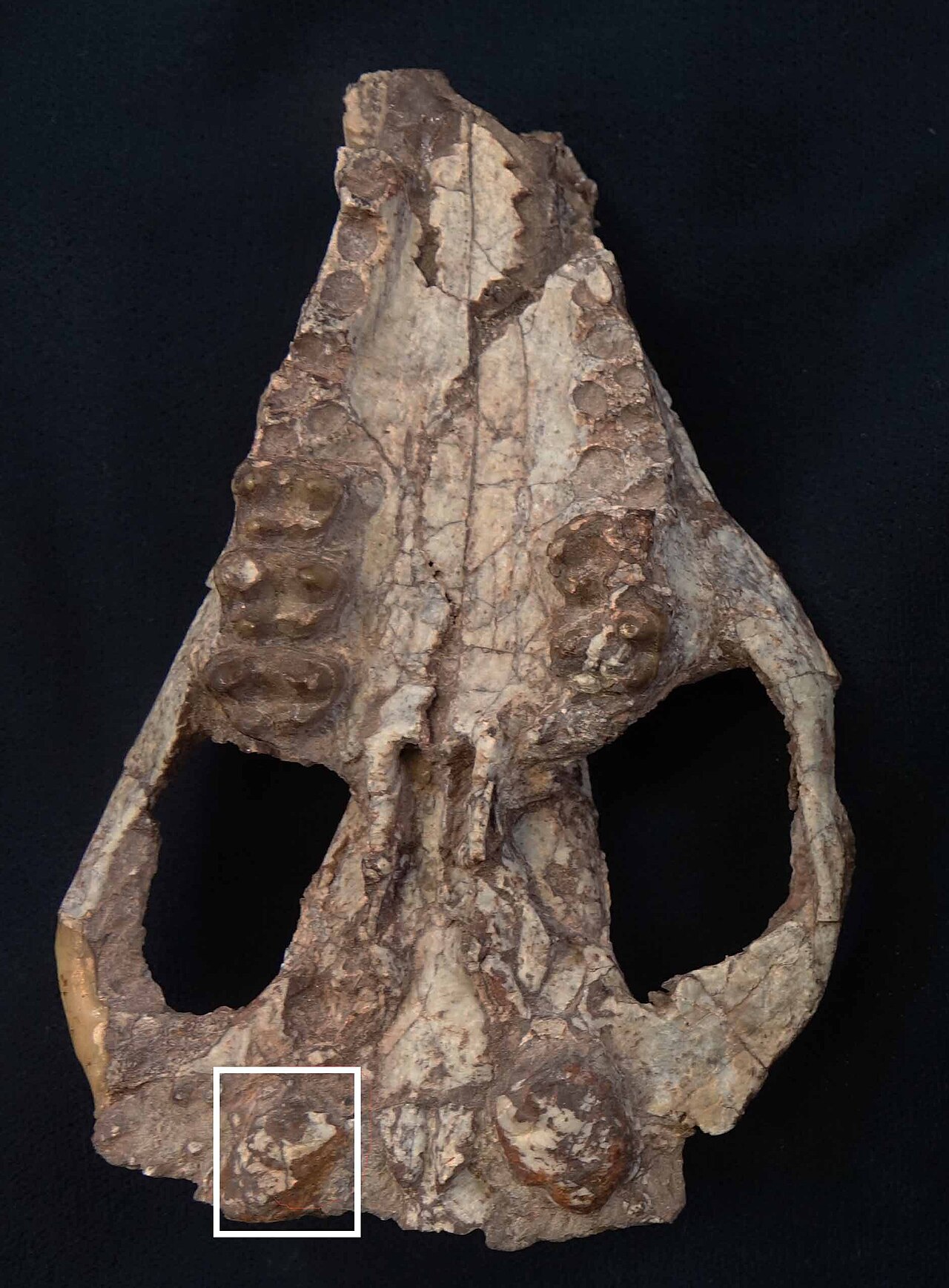
—observations
—countries
—peak records
ExtinctConservation statusIUCN Red List categoriesLCNTVUENCREWEXExtinctRed List categories, explained →
Diet & preyAquatic plants, Riparian foliage, Aquatic invertebrates
Predators
- Primitive crocodilians
- Carnivorous creodonts
- Carnivorous mesonychids
ThreatsEnvironmental changes and shifting freshwater habitats during the Eocene
HabitatsFreshwater river margins, wetlands, and subtropical swamp forests
Life spanEstimated 8–15 years
Classification
- OrderArtiodactyla
- FamilyRaoellidae
- GenusIndohyus
- SpeciesIndohyus indirae
Range data is not available yet.
Interaction riskLow
- Low
- Moderate
- High
- Very high
- Why interaction risk is low
- Extinct prehistoric mammal known exclusively from fossil remains.
Responsible observation
- Museum Viewing: Examine skeletal casts in paleontology exhibits to observe the dense limb bones.
- Fossil Etiquette: Leave fossil specimens in situ when found on public land and report finds to paleontologists.
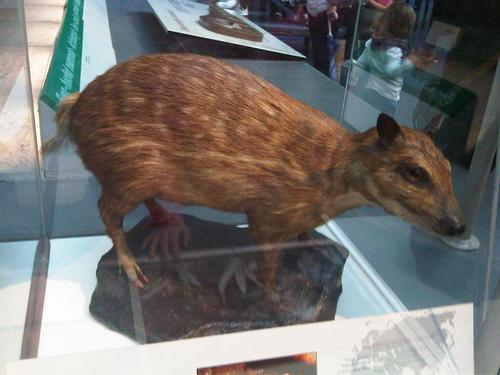
Ecological Analog (c) Emőke Dénes, some rights reserved (CC BY-SA) · cc-by-sa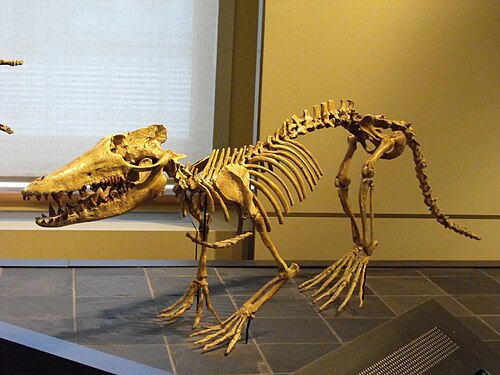
Close Relative Kevin Guertin from Ottawa, Ontario, Canada / CC BY-SA 2.0 · cc-by-sa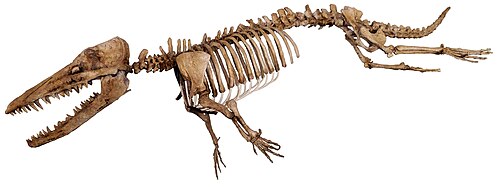
Close Relative Notafly / CC BY-SA 3.0 · cc-by-sa
Help improve the field guideSomething wrong?
Checking your Fauna account…Report a name, category, or profile issue for review.