
Mammal
Woolly Rhinoceros
Coelodonta antiquitatisAlso known as Woolly Rhino, Pleistocene Rhinoceros
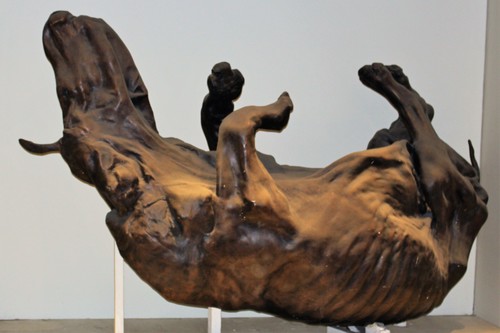
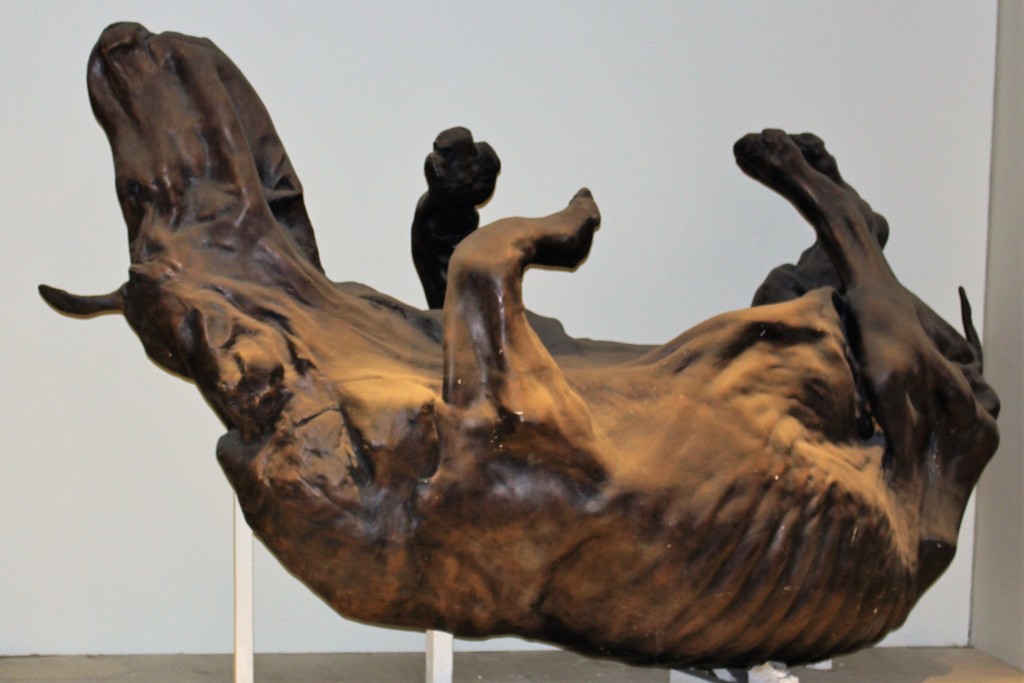
Woolly rhinoceroses were cold-adapted grazers that roamed the vast mammoth steppe across northern Eurasia during the Pleistocene epoch. A thick, reddish-brown double coat and a dense layer of subcutaneous fat insulated them against bitter glacial winters, while a prominent shoulder hump anchored powerful muscles supporting their massive, keeled nasal horns. Frozen mummies recovered from Siberian permafrost show worn front horn edges, indicating these herbivores actively swept snow aside to forage on winter grasses and sedges.
Ice AgeHerbivore
—observations
—countries
—peak records
ExtinctConservation statusIUCN Red List categoriesLCNTVUENCREWEXExtinctRed List categories, explained →
Diet & preySteppe grasses, Carex sedges, Herbaceous forbs
Predators
- Steppe cave lion
- Cave hyena
- Upper Paleolithic humans
ThreatsRapid climate warming, shrinking steppe habitat, and human hunting
HabitatsCold, dry mammoth steppe and subarctic tundra-grasslands
Life span35–45 years
Classification
- FamilyRhinocerotidae
- SpeciesCoelodonta antiquitatis
Range data is not available yet.
Interaction riskLow
- Low
- Moderate
- High
- Very high
- Why interaction risk is low
- Extinct species known only from fossil deposits and permafrost specimens.
Responsible observation
- Museum Specimens: Examine well-preserved horn and skin specimens in natural history collections to view the keratin structure.
- Permafrost Finds: Observe documented mummified remains through certified scientific databases and museum exhibits.
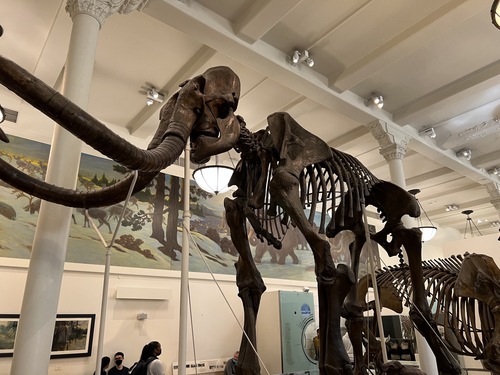
Frequent Companion no rights reserved, uploaded by mionectes · cc0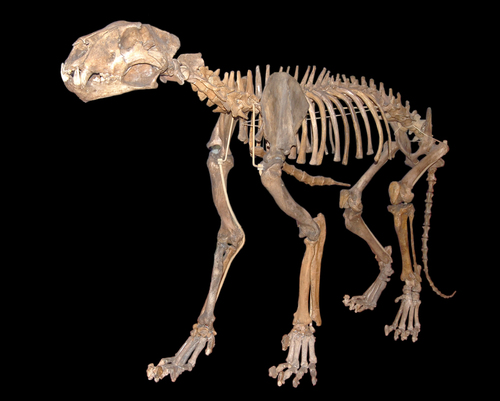
Predator (c) Tommy, some rights reserved (CC BY) · cc-by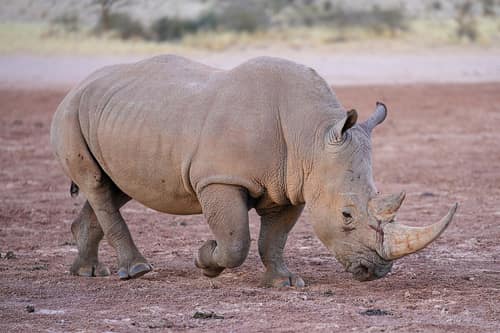
Ecological Analog Giles Laurent / CC BY-SA 4.0 · cc-by-sa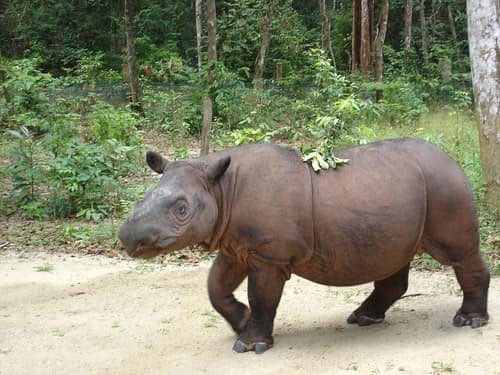
Close Relative 26Isabella / CC BY-SA 3.0 · cc-by-sa
Help improve the field guideSomething wrong?
Checking your Fauna account…Report a name, category, or profile issue for review.