
Species · GBIF taxon 4967492
Diplodocus carnegii
Diplodocus carnegiiAlso known as Carnegie Diplodocus
Diplodocus carnegii is one of the most iconic sauropod dinosaurs, distinguished by an extraordinarily long neck counterbalanced by an elongated, whip-like tail consisting of roughly 80 vertebrae. Its slender, peg-like teeth lined only the front of the snout, operating like a comb to strip soft foliage from low to mid-level vegetation. Distributed to major museums across the globe as skeletal casts in the early twentieth century, this magnificent herbivore came to define the public imagination of giant prehistoric life.
PrehistoricSauropodHerbivore
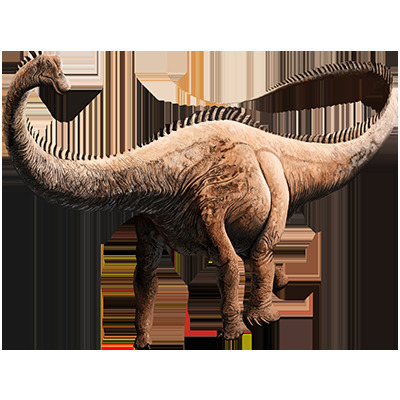
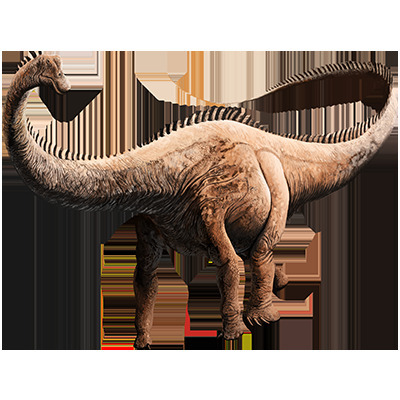
—observations
—countries
—peak records
ExtinctConservation statusIUCN Red List categoriesLCNTVUENCREWEXExtinctRed List categories, explained →
Diet & prey
- Conifer needles
- Fern fronds
- Horsetails
Predators
- Allosaurus fragilis
- Torvosaurus tanneri
- Ceratosaurus nasicornis
ThreatsPrehistoric predation by theropods and severe seasonal droughts
HabitatsSemi-arid floodplains and riparian corridors
Life span50–80 years
Classification
- FamilyDiplodocidae
- SpeciesDiplodocus carnegii
Range data is not available yet.
Interaction riskLow
- Low
- Moderate
- High
- Very high
- Why interaction risk is low
- Extinct prehistoric species; fossil specimens are safe to observe in museum collections.
Responsible observation
- Museum Etiquette: Respect barriers around mounted fossil skeletons and avoid touching delicate mineralized bone surfaces.
- Field Paleontology: If discovering fossilized material on public land, record GPS coordinates and leave the specimen in situ for licensed researchers.
- Scale Perspective: Look closely at the double-beamed chevrons along the underside of the tail cast to see the namesake anatomical feature.
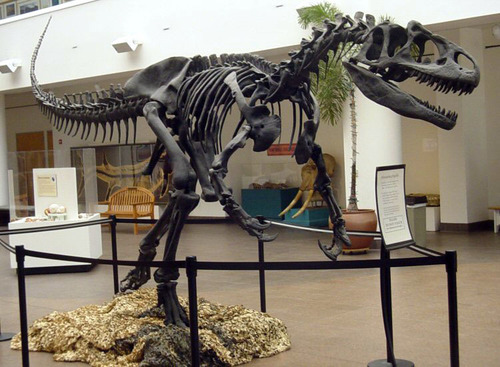
Predator (c) Allosaurus_SDNHM.jpg, some rights reserved (CC BY-SA) · cc-by-sa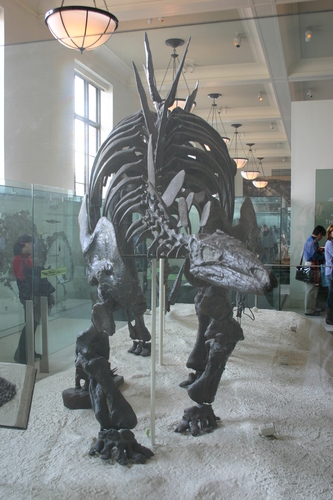
Neighbor (c) Ryan Somma, some rights reserved (CC BY-SA) · cc-by-sa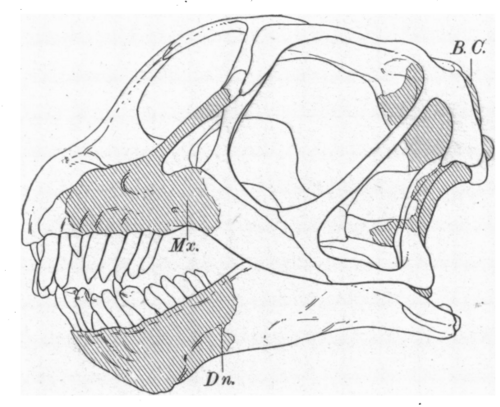
Competitor Henry Osborn, Charles Mook, ED Cope / Public domain · cc0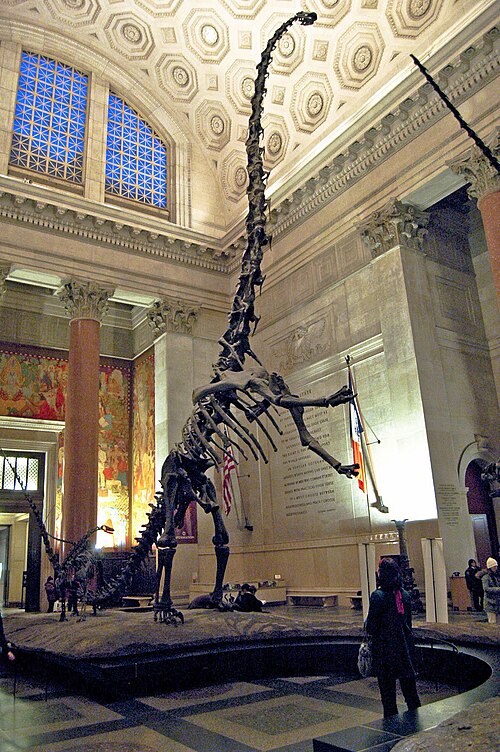
Close Relative Greg from New York, NY, America / CC BY 2.0 · cc-by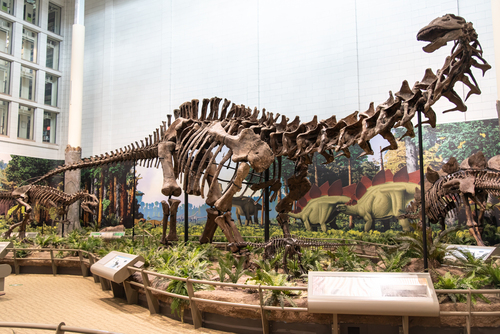
Same Family (c) AbstractionBlue, some rights reserved (CC BY-SA) · cc-by-sa
Help improve the field guideSomething wrong?
Checking your Fauna account…Report a name, category, or profile issue for review.