
Species · GBIF taxon 4967496
Barosaurus lentus
Barosaurus lentusBarosaurus lentus roamed the open floodplains and semi-arid scrublands of Late Jurassic North America, using an exceptionally elongated neck to browse high tree canopies or sweep wide arcs of low vegetation. Though closely related to Diplodocus, its neck vertebrae were roughly thirty percent longer, offset by a comparatively shorter, lighter whiplash tail. Like other diplodocids, it possessed peg-like teeth suited for stripping foliage rather than chewing, relying on a vast fermentation gut to process tough plant matter.
SauropodFossilPrehistoric
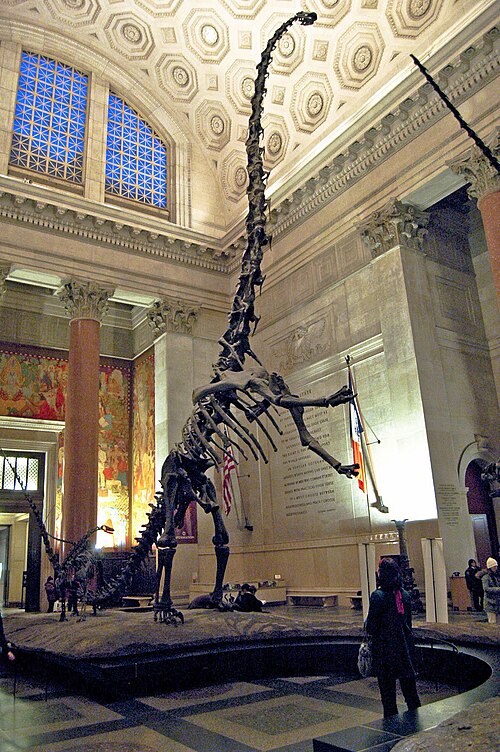
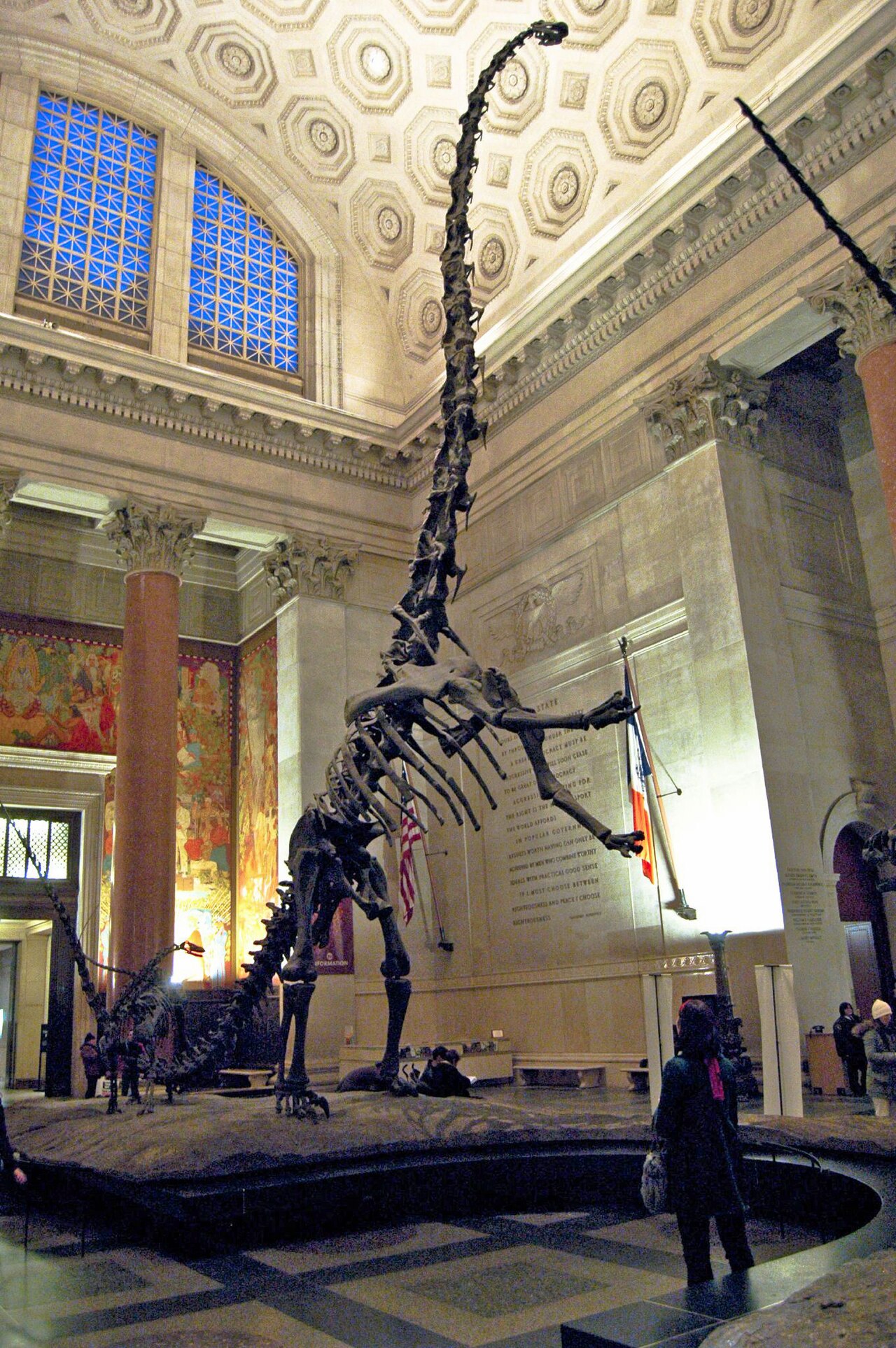
Licensed referenceGreg from New York, NY, America / CC BY 2.0 · cc-by
—observations
—countries
—peak records
ExtinctConservation statusIUCN Red List categoriesLCNTVUENCREWEXExtinctRed List categories, explained →
Diet & prey
- Herbivorous (conifers, cycads, ferns, and ginkgoes)
Predators
- Allosaurus fragilis
- Torvosaurus tanneri
- Saurophaganax maximus
ThreatsExtinction event at the Jurassic-Cretaceous boundary (natural prehistoric extinction)
HabitatsSemi-arid floodplains, savanna woodlands, and riparian corridors
Life span50–80 years
Classification
- FamilyDiplodocidae
- SpeciesBarosaurus lentus
Range data is not available yet.
Interaction riskLow
- Low
- Moderate
- High
- Very high
- Why interaction risk is low
- Extinct prehistoric species known only from fossil remains.
Responsible observation
- Museum Viewing: Examine mounted skeletal casts, such as the famous rearing mount in the American Museum of Natural History.
- Fossil Etiquette: Leave any suspected in situ vertebrate fossils undisturbed and notify local paleontological authorities or land managers.
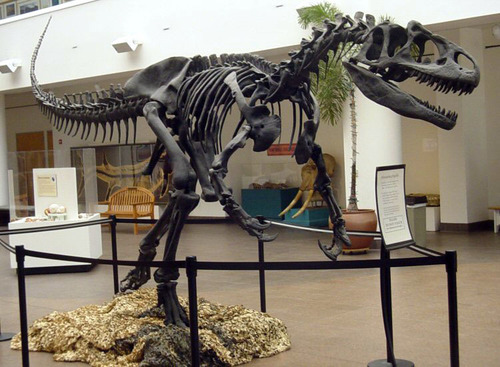
Predator (c) Allosaurus_SDNHM.jpg, some rights reserved (CC BY-SA) · cc-by-sa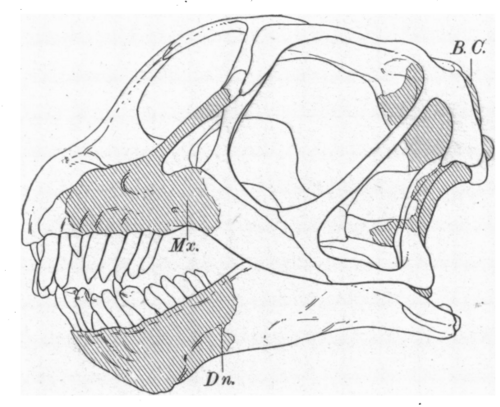
Competitor Henry Osborn, Charles Mook, ED Cope / Public domain · cc0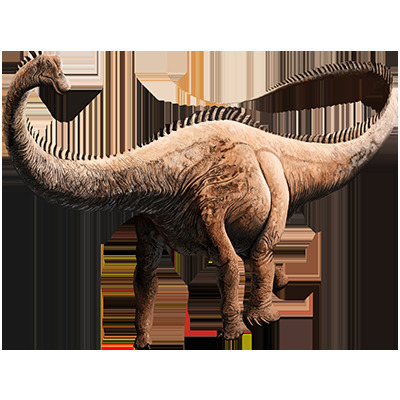
Close Relative (c) DataBase Center for Life Science (DBCLS), some rights reserved (CC BY) · cc-by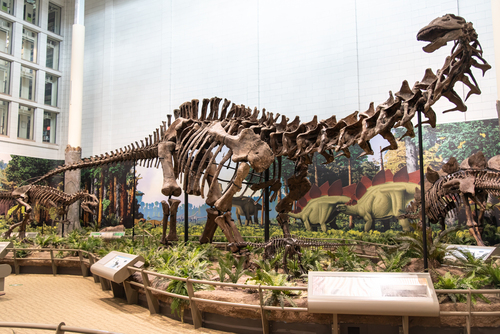
Same Family (c) AbstractionBlue, some rights reserved (CC BY-SA) · cc-by-sa
Help improve the field guideSomething wrong?
Checking your Fauna account…Report a name, category, or profile issue for review.