
Species
Prosaurolophus maximus
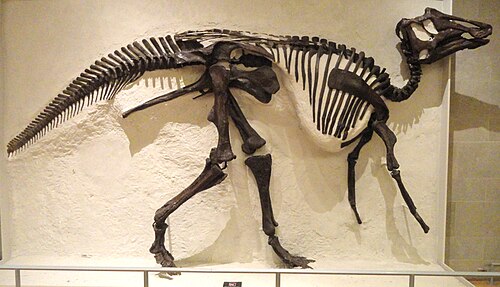
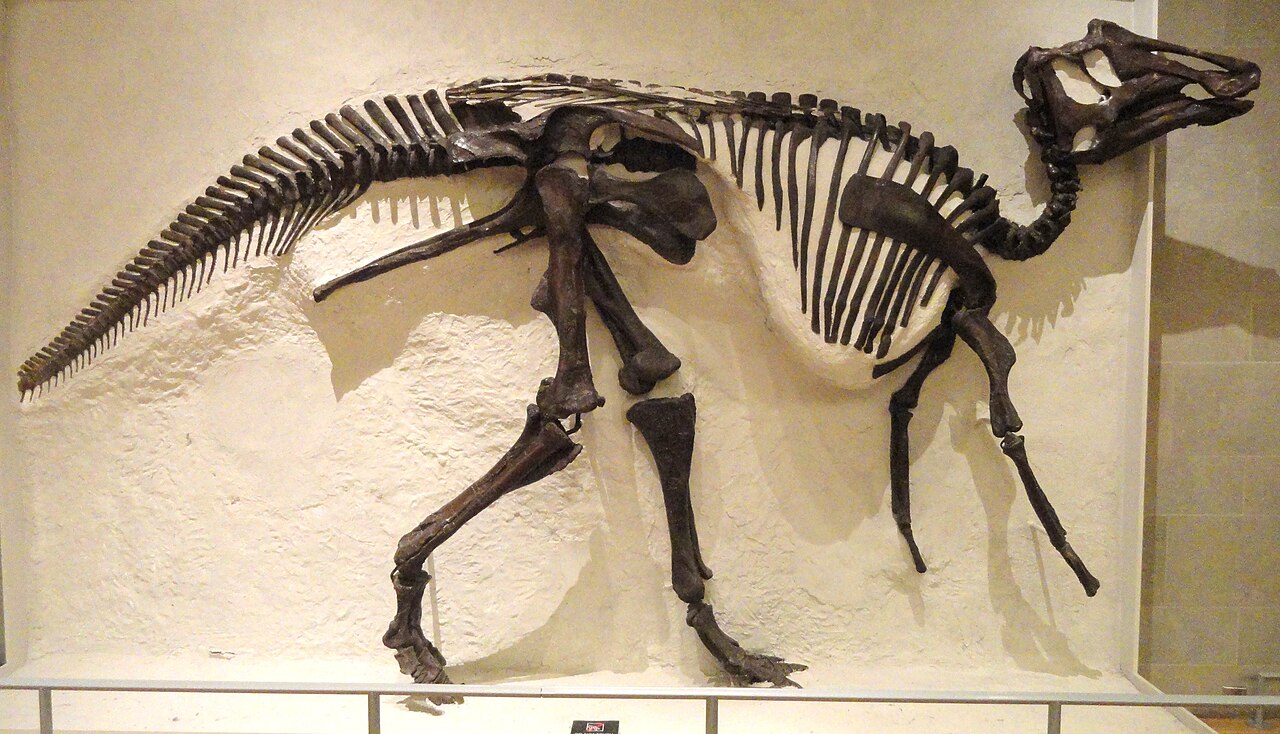
Prosaurolophus maximusProsaurolophus maximus roamed the lush river valleys and coastal lowlands of Late Cretaceous North America, cropping tough vegetation with a broad beak before grinding it with hundreds of tightly packed teeth. A modest, solid bony crest rose directly in front of its eyes, functioning primarily as a visual signaling device for herd recognition and courtship. Capable of shifting between a bipedal stride and four-legged browsing, this large hadrosaur maintained a widespread presence across semi-arid inland plains and humid river deltas.
FossilHerbivore
—observations
—countries
—peak records
ExtinctConservation statusIUCN Red List categoriesLCNTVUENCREWEXExtinctRed List categories, explained →
Diet & preyConifer needles, Fern fronds, Angiosperm foliage
Predators
- Daspletosaurus torosus
- Gorgosaurus libratus
ThreatsPredation by tyrannosaurids and Late Cretaceous environmental shifts
HabitatsFloodplains, river deltas, and coastal lowlands
Life spanEstimated 20–30 years
Classification
- FamilyHadrosauridae
- SpeciesProsaurolophus maximus
Range data is not available yet.
Interaction riskLow
- Low
- Moderate
- High
- Very high
- Why interaction risk is low
- Extinct species known only from fossils; safe to observe in museum collections.
Responsible observation
- Museum Viewing: Look for the low, solid nasal crest directly in front of the eye sockets on articulated skulls.
- Field Ethics: Leave fossil deposits undisturbed and report in-situ vertebrate finds to certified paleontologists.
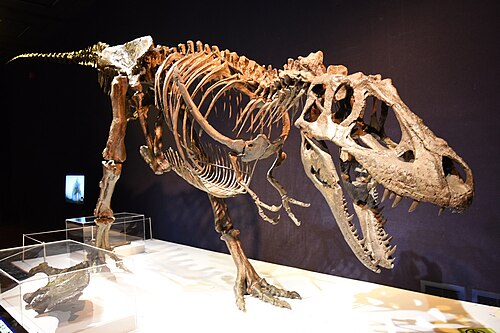
Predator WehaveaTrex / CC BY-SA 4.0 · cc-by-sa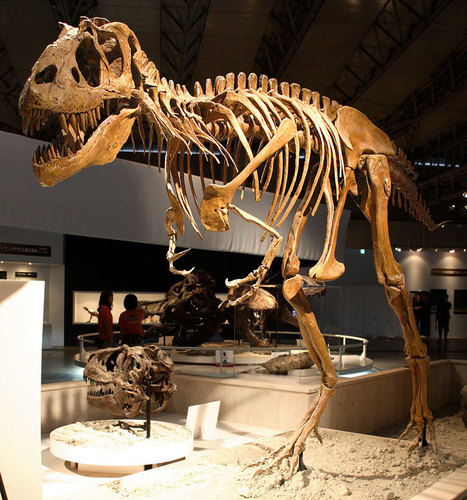
Predator (c) Kabacchi, some rights reserved (CC BY) · cc-by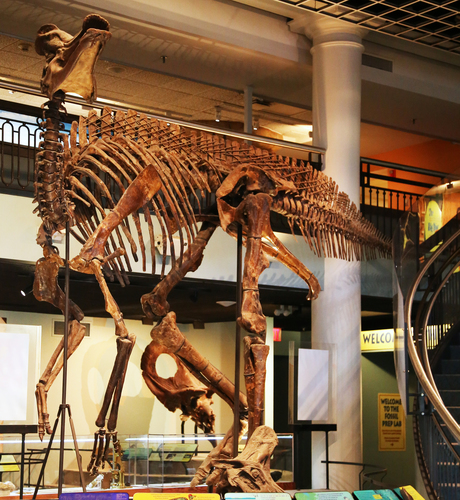
Competitor (c) Jim, the Photographer, some rights reserved (CC BY) · cc-by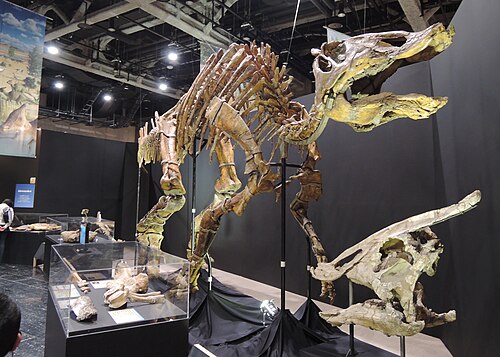
Close Relative Yuya Tamai from Gifu, Japan / CC BY 2.0 · cc-by
Help improve the field guideSomething wrong?
Checking your Fauna account…Report a name, category, or profile issue for review.