
Species · GBIF taxon 4965937
Corythosaurus casuarius
Corythosaurus casuariusAlso known as Helmet Lizard, Corinthian Lizard
Corythosaurus casuarius browsed the coastal floodplains and swampy lowlands of Late Cretaceous North America, grinding tough conifers, cycads, and angiosperms with hundreds of tightly packed dental battery teeth. Its signature hollow crest, shaped like a rounded helmet or cassowary casque, contained convoluted nasal passages that acted as acoustic resonance chambers for low-frequency social calls. Preserved mummies reveal pebbly, non-overlapping scales across its hide and strong, webbed-looking hand pads adapted for weight-bearing rather than swimming.
PrehistoricHerbivore
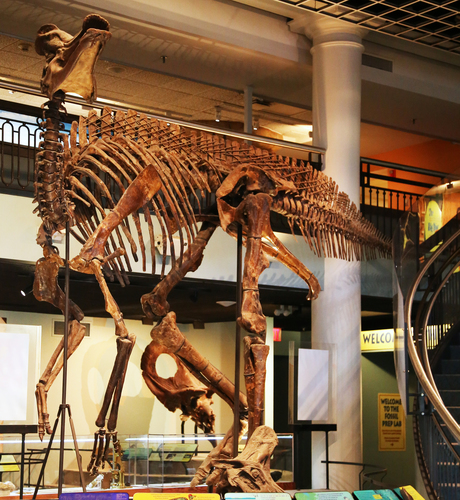
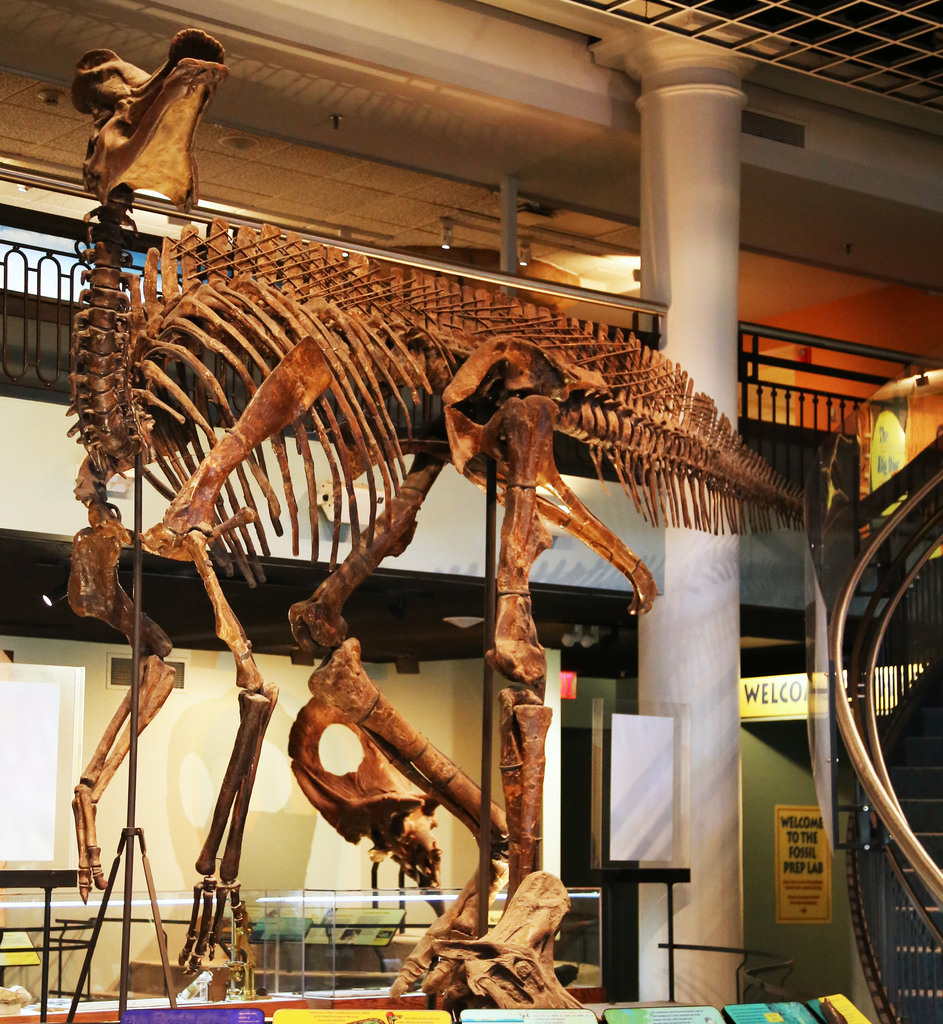
Licensed reference(c) Jim, the Photographer, some rights reserved (CC BY) · cc-by
—observations
—countries
—peak records
ExtinctConservation statusIUCN Red List categoriesLCNTVUENCREWEXExtinctRed List categories, explained →
Diet & prey
- Conifer foliage
- Flowering plants
- Seeds and fruits
Predators
- Gorgosaurus libratus
- Daspletosaurus torosus
ThreatsPredation by large tyrannosaurids; ultimately late Cretaceous faunal turnover
HabitatsAncient coastal floodplains, river deltas, and subtropical swamp forests
Life spanEstimated 20–30 years
Classification
- FamilyLambeosauridae
- SpeciesCorythosaurus casuarius
Range data is not available yet.
Interaction riskLow
- Low
- Moderate
- High
- Very high
- Why interaction risk is low
- Extinct prehistoric species known exclusively from fossil remains.
Responsible observation
- Fossil Viewing: Examine complete articulated skeletons and skin impressions in major natural history museums.
- Field Etiquette: Leave fossil specimens undisturbed in protected parks such as Dinosaur Provincial Park.
- Scientific Reporting: Photograph and report visible fossil exposures to local paleontological authorities.
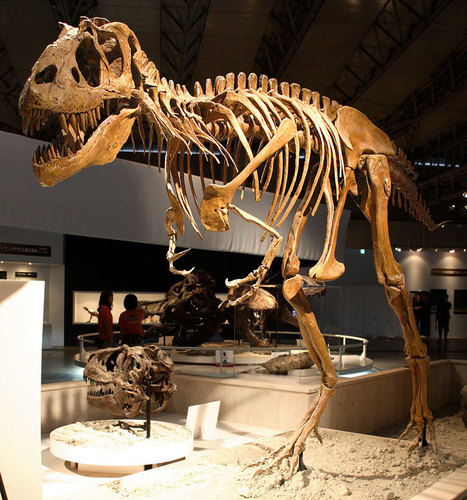
Predator (c) Kabacchi, some rights reserved (CC BY) · cc-by Image unavailable
Neighbor 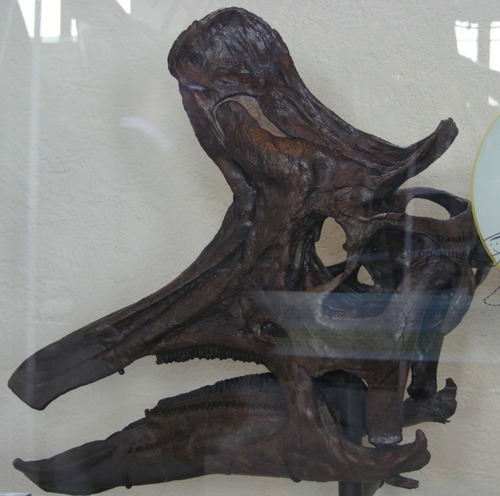
Close Relative (c) Ryan Somma, some rights reserved (CC BY-SA) · cc-by-sa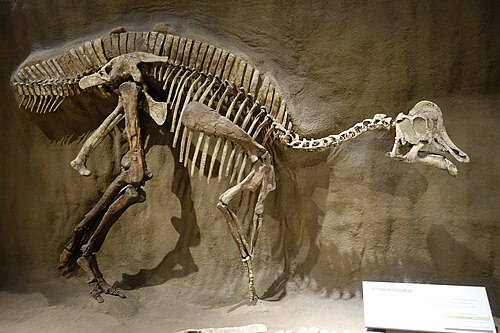
Close Relative Etemenanki3 / CC BY-SA 4.0 · cc-by-sa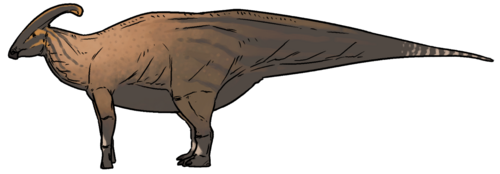
Same Family (c) Connor Ashbridge, some rights reserved (CC BY-SA) · cc-by-sa
Help improve the field guideSomething wrong?
Checking your Fauna account…Report a name, category, or profile issue for review.