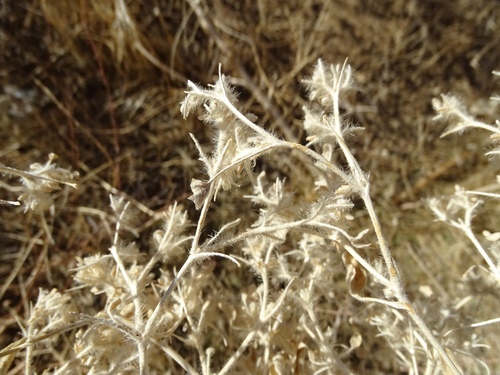
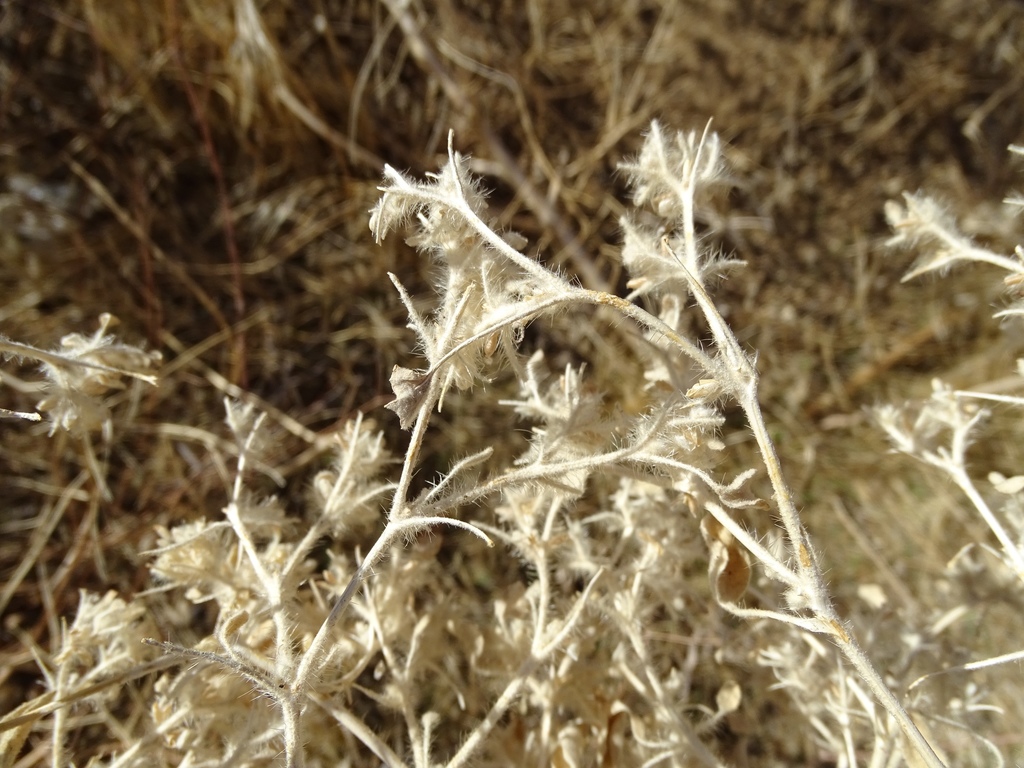
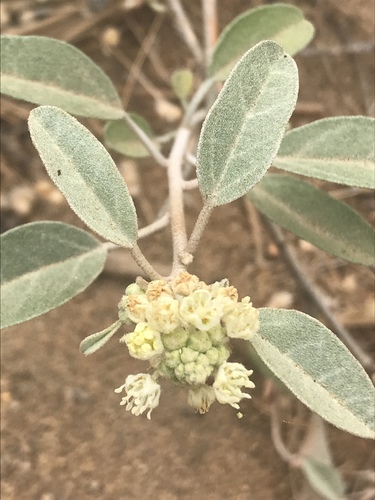
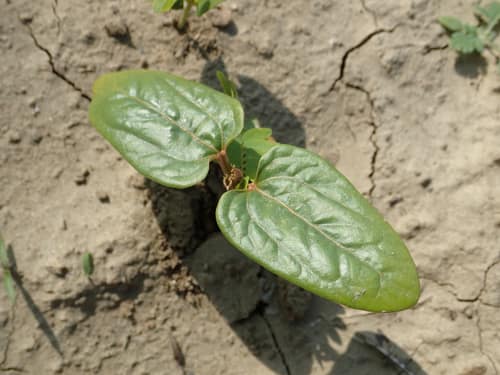
Turkey mullein forms low, sprawling gray-green mats across parched western valleys, thriving in baked soils after other seasonal herbs have withered. Dense layers of bristly, star-shaped hairs insulate the foliage against blistering heat while deterring mammalian herbivores. In late summer, oil-rich seeds drop in abundance, providing an essential food reserve for native game birds.
Not EvaluatedConservation statusIUCN Red List categoriesLCNTVUENCREWEXNot Evaluated — not placed on the risk ladderRed List categories, explained →
Key facts
Diet & preySunlight, Water, Soil Nutrients
Predators
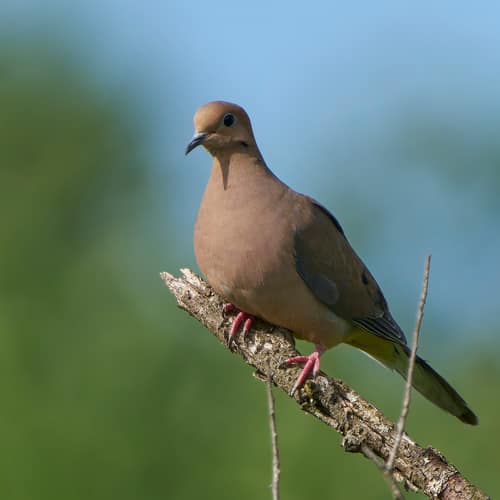
Mourning Dove
Wild Turkey
California Quail
ThreatsExcessive herbicide spraying and intensive agricultural cultivation
HabitatsDry grasslands, valleys, roadsides, and disturbed open ground
Life spanAnnual (single growing season)
Classification
OrderMalpighiales
FamilyEuphorbiaceae
GenusCroton
SpeciesCroton setiger
Range & activity
Range data is not available yet.
Safe observation
Interaction riskHigh
Low
Moderate
High
Very high
Why interaction risk is high
Bristly hairs cause skin irritation and the plant contains toxic diterpenes; wear gloves and do not ingest.
Why it is dangerous
Tissues contain toxic diterpene esters that irritate digestive tracts, and the stiff stellate hairs can cause contact dermatitis or mechanical gut blockages in livestock.
How to recognize a risky encounter
Recognizable by low, rounded gray-green mats completely blanketed in rough, bristly, woolly star-shaped hairs with tiny petalless flowers.
What to do
Wear protective gloves when clearing plants, wash skin immediately after contact, and keep grazing animals away from dense patches.
Responsible observation
Identification: Look for sprawling, pungent, silvery mats in dry unpaved margins during midsummer.
Handling: Wear thick gardening gloves to avoid skin rash caused by the stiff star-shaped hairs.
Wildlife Watching: Scan patches quietly in autumn to spot foraging flocks of native doves and quail.