
Plant · GBIF taxon 3171949
Great Mullein
Verbascum thapsusAlso known as Greater Mullein, Common Mullein, Flannel Leaf, Velvet Plant
Great mullein spends its first year as a soft, velvety rosette of thick felted leaves that store nutrients close to the ground. In its second spring, the plant bolts skyward, producing a rigid central flower spike densely packed with small yellow blossoms. Each bloom opens for just a few hours in the morning, attracting dozens of wild bees and hoverflies before shedding its petals.
BiennialFuzzy LeavesYellow Bloom
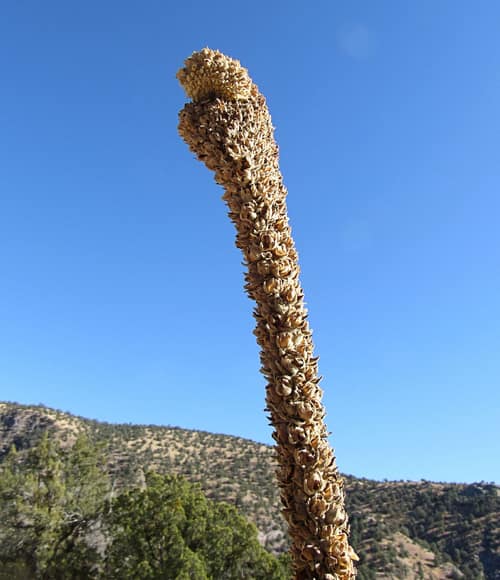
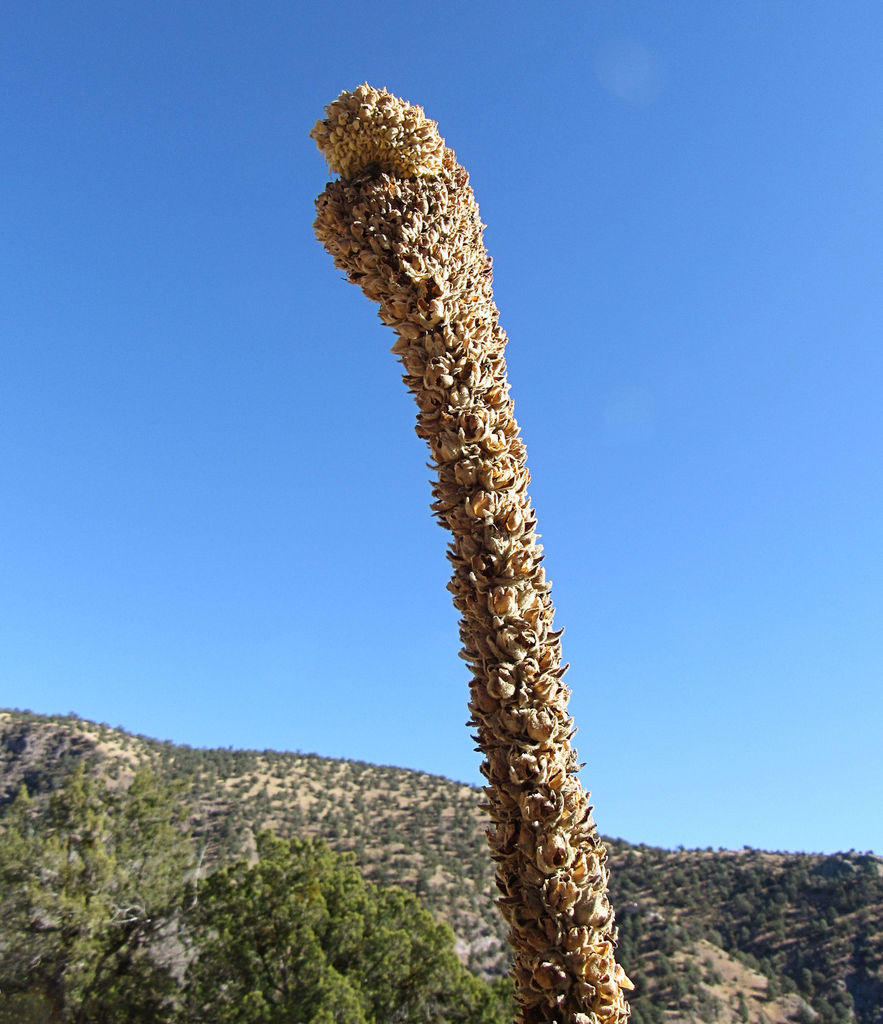 1 / 7
1 / 7—observations
—countries
—peak records
Least ConcernConservation statusIUCN Red List categoriesLCNTVUENCREWEXLeast ConcernRed List categories, explained →
Diet & prey
- Autotrophic (Photosynthesis)
Predators
- Mullein Moth Caterpillars
- Herbivorous Snails
- Grasshoppers
ThreatsHerbicide application, natural ecological succession
HabitatsDisturbed ground, roadsides, dry pastures, fields
Life spanBiennial (2 years)
Size / weightNot available
Classification
- OrderLamiales
- FamilyScrophulariaceae
- GenusVerbascum
- SpeciesVerbascum thapsus
Range data is not available yet.
Interaction riskLow
- Low
- Moderate
- High
- Very high
- Why interaction risk is low
- Dense leaf hairs can cause skin or eye irritation; handle with care.
Responsible observation
- Observation: Look for dense rosettes close to the soil during the plant's first year.
- Identification: Examine the yellow flower spike in midsummer to observe visiting native pollinators.
- Handling: Wear gardening gloves when removing mature stalks to prevent hair irritation.
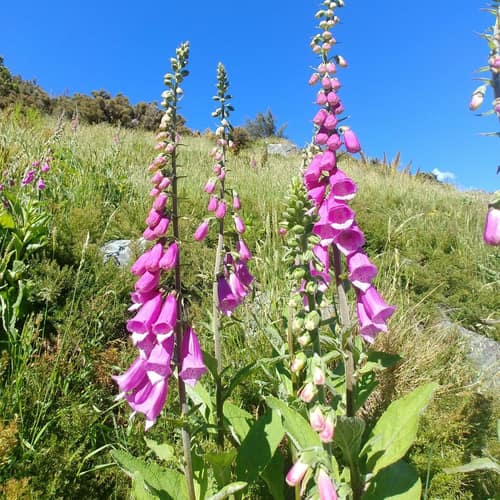
Ecological Neighbor (c) nbasargin, some rights reserved (CC BY) · cc-by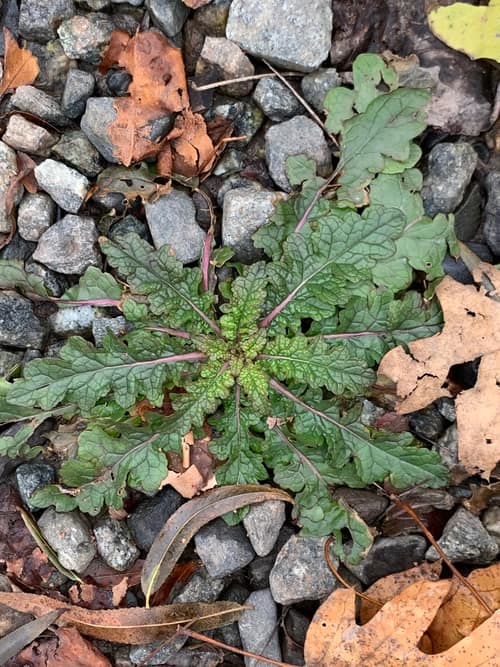
Close Relative (c) Sandy Wolkenberg, some rights reserved (CC BY), uploaded by Sandy Wolkenberg · cc-by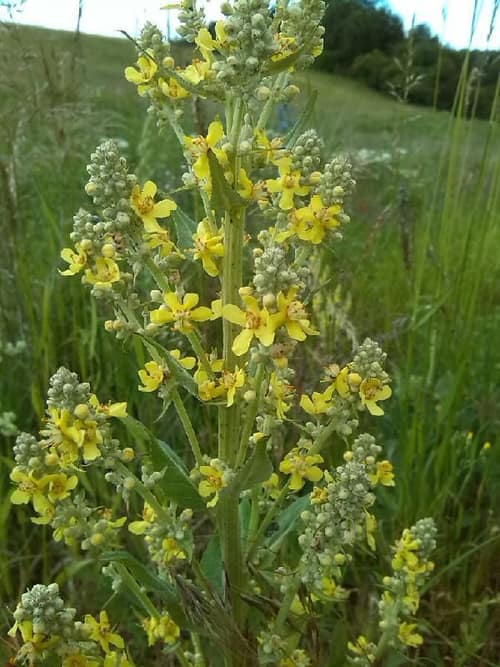
Close Relative (c) Andre Hosper, some rights reserved (CC BY), uploaded by Andre Hosper · cc-by
Help improve the field guideSomething wrong?
Checking your Fauna account…Report a name, category, or profile issue for review.