
Fungus · GBIF taxon 4911809
Clustered Bonnet
Mycena inclinataAlso known as Oak-stump Bonnet Cap, Oak Bonnet
Clustered bonnets sprout in tight, dense sheaves from decaying hardwood, transforming rotting oak stumps into bristling mounds of delicate bell-shaped caps. Young specimens display a distinct contrast between their pale stem tops and warm reddish-brown bases, bound together by a dense woolly mat of yellowish mycelium. As vital forest decomposers, their mycelial threads systematically break down tough lignin, returning essential nutrients to woodland soil.
FungusSaprobicWoodland
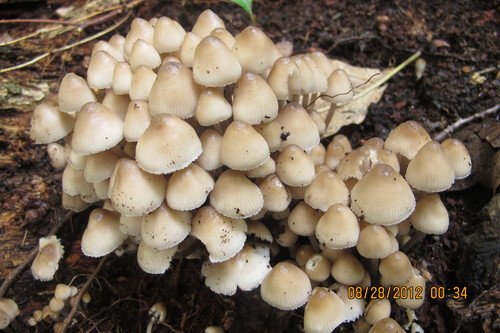
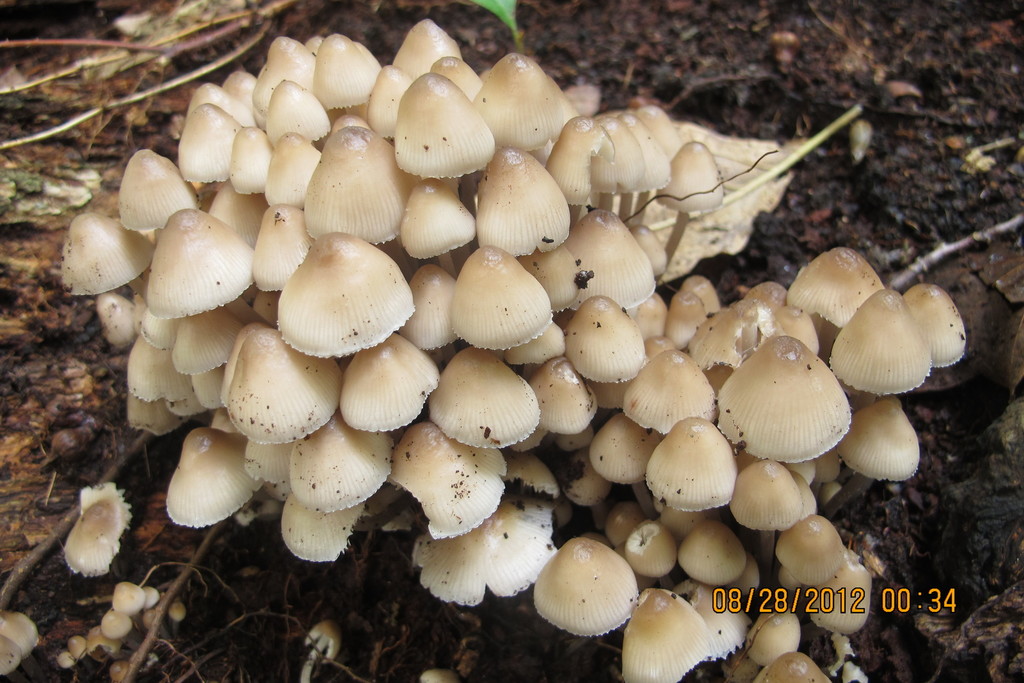 1 / 7
1 / 7—observations
—countries
—peak records
Not EvaluatedConservation statusIUCN Red List categoriesLCNTVUENCREWEXNot Evaluated — not placed on the risk ladderRed List categories, explained →
Diet & prey
- Decaying oak wood
- Lignin
- Cellulose
Predators
- Slugs
- Fungus gnat larvae
- Springtails
ThreatsHabitat fragmentation, intensive forestry, removal of deadwood
HabitatsDeciduous and mixed forests, particularly mature oak stands
Life spanFruiting bodies persist 4–10 days; mycelium lives for years
Classification
- OrderAgaricales
- FamilyMycenaceae
- GenusMycena
- SpeciesMycena inclinata
Range data is not available yet.
Interaction riskLow
- Low
- Moderate
- High
- Very high
- Why interaction risk is low
- Many wild mushrooms have toxic look-alikes; never eat wild fungi based on app identification alone.
Responsible observation
- Stem Base Inspection: Examine the bottom third of the stem cluster for coarse yellowish mycelial hairs.
- Substrate Clues: Search decaying hardwood stumps, especially damp oak, following sustained autumn rains.
- Cluster Observation: Note the way stems twist and fuse together from a single bark fissure.
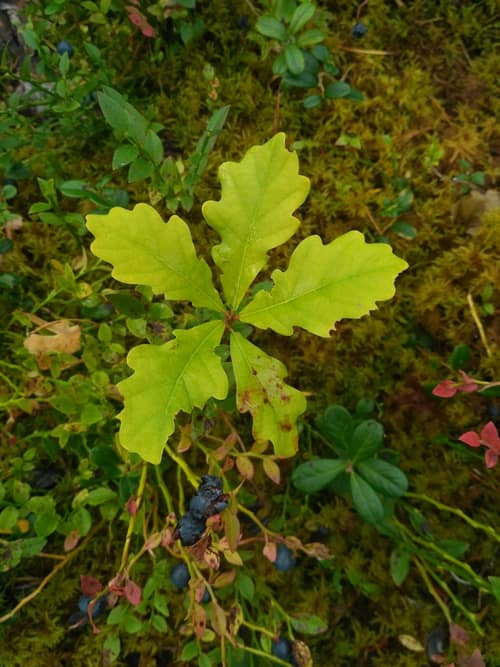
Substrate Host (c) Natalya Ivanova, some rights reserved (CC BY) · cc-by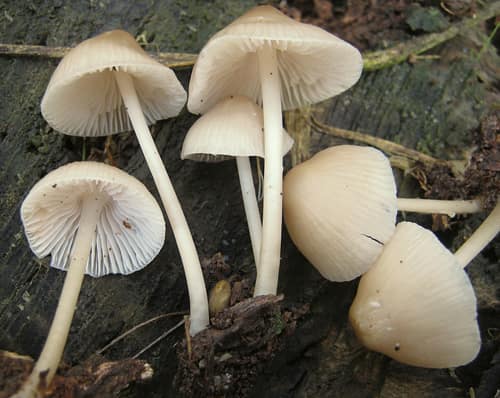
Close Relative (c) 2011-12-03_Mycena_galericulata_(Scop.)_Gray_188645.jpg, some rights reserved (CC BY-SA) · cc-by-sa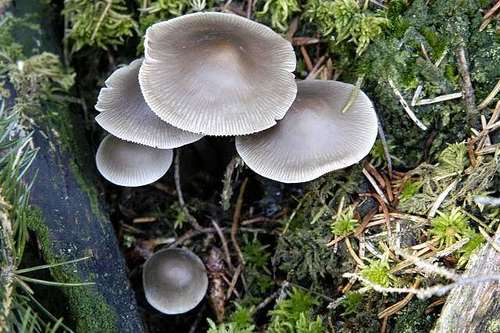
Close Relative (c) James K. Lindsey, some rights reserved (CC BY-SA) · cc-by-sa
Help improve the field guideSomething wrong?
Checking your Fauna account…Report a name, category, or profile issue for review.