
Fungus
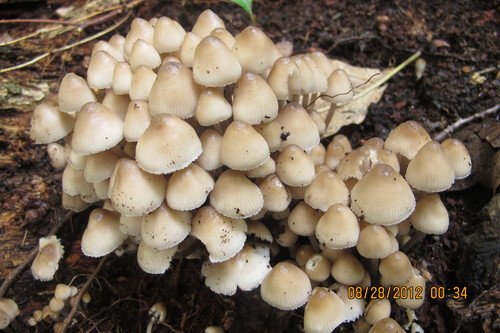
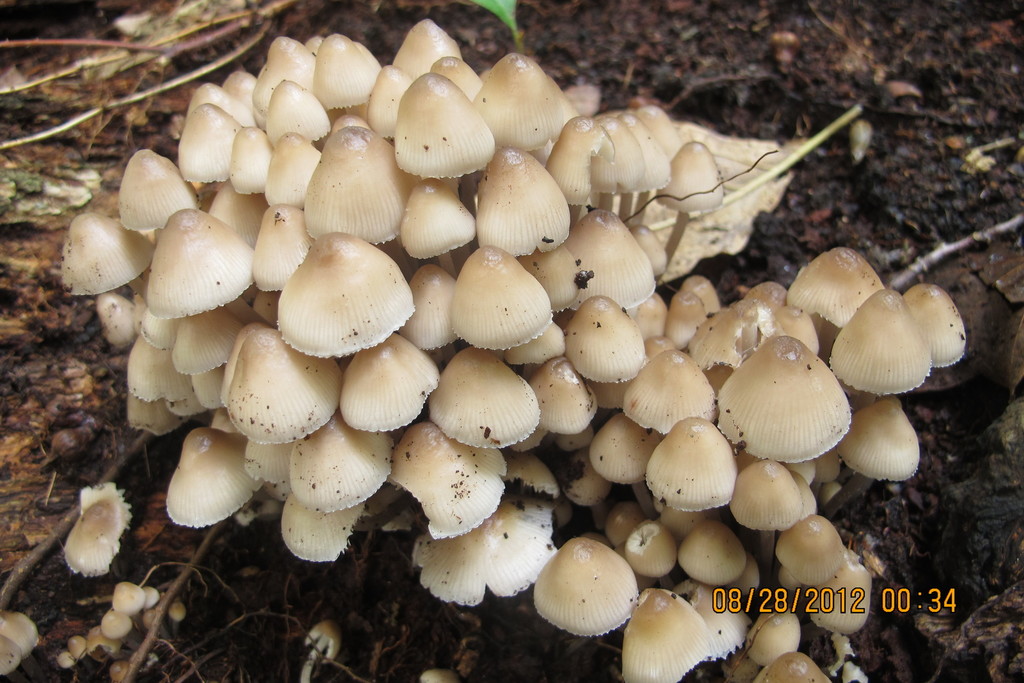
Clustered Bonnet
Mycena inclinataAlso known as Oak-stump Bonnet Cap, Oak Bonnet
Clustered bonnets sprout in tight, dense sheaves from decaying hardwood, transforming rotting oak stumps into bristling mounds of delicate bell-shaped caps. Young specimens display a distinct contrast between their pale stem tops and warm reddish-brown bases, bound together by a dense woolly mat of yellowish mycelium. As vital forest decomposers, their mycelial threads systematically break down tough lignin, returning essential nutrients to woodland soil.
FungusSaprobicWoodland
—observations
—countries
—peak records
Not EvaluatedConservation statusIUCN Red List categoriesLCNTVUENCREWEXNot Evaluated — not placed on the risk ladderRed List categories, explained →
Diet & preyDecaying oak wood, Lignin, Cellulose
Predators
- Slugs
- Fungus gnat larvae
- Springtails
ThreatsHabitat fragmentation, intensive forestry, removal of deadwood
HabitatsDeciduous and mixed forests, particularly mature oak stands
Life spanFruiting bodies persist 4–10 days; mycelium lives for years
Classification
- OrderAgaricales
- FamilyMycenaceae
- GenusMycena
- SpeciesMycena inclinata
Range data is not available yet.
Interaction riskLow
- Low
- Moderate
- High
- Very high
- Why interaction risk is low
- Many wild mushrooms have toxic look-alikes; never eat wild fungi based on app identification alone.
Responsible observation
- Stem Base Inspection: Examine the bottom third of the stem cluster for coarse yellowish mycelial hairs.
- Substrate Clues: Search decaying hardwood stumps, especially damp oak, following sustained autumn rains.
- Cluster Observation: Note the way stems twist and fuse together from a single bark fissure.
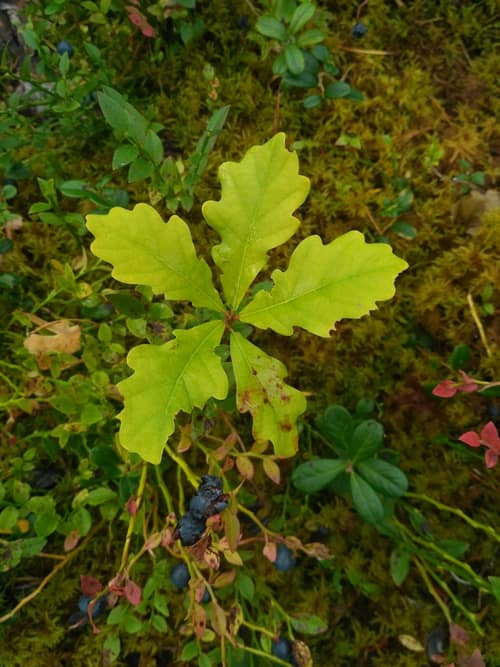
Substrate Host (c) Natalya Ivanova, some rights reserved (CC BY) · cc-by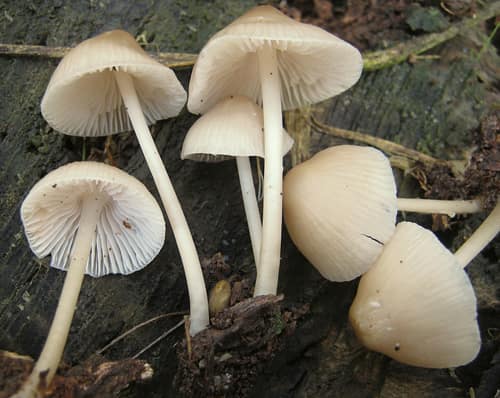
Close Relative (c) 2011-12-03_Mycena_galericulata_(Scop.)_Gray_188645.jpg, some rights reserved (CC BY-SA) · cc-by-sa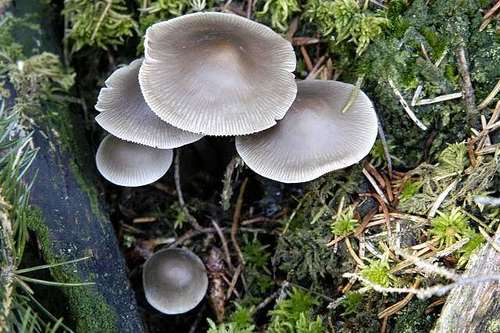
Close Relative (c) James K. Lindsey, some rights reserved (CC BY-SA) · cc-by-sa
Help improve the field guideSomething wrong?
Checking your Fauna account…Report a name, category, or profile issue for review.