
Mammal · GBIF taxon 4827642
Paranthropus Robustus
Australopithecus robustusAlso known as Robust Australopithecine
Paranthropus robustus roamed the open woodlands and bushveld of southern Africa, relying on massive jaws, dish-shaped facial architecture, and enormous cheek teeth to crush fibrous vegetation and tough seeds. Sexual dimorphism was pronounced, with adult males sporting prominent sagittal crests anchoring powerful chewing muscles, while females possessed smaller cranial crests and jaws. Fossilized bone fragments with polished tips suggest these ancient hominins may have fashioned simple diggers to excavate underground tubers or harvest termites from hard mounds.
FossilBipedal
—observations
—countries
—peak records
ExtinctConservation statusIUCN Red List categoriesLCNTVUENCREWEXExtinctRed List categories, explained →
Diet & prey
- Underground tubers
- Hard seeds
- Termites
Predators
- Leopard
- False Sabertooth Cat
- Spotted Hyena
ThreatsPredation by large carnivores and climatic shifts toward aridity
HabitatsWooded savannas, grasslands, and riverine woodlands
Life spanEstimated 20–35 years
Classification
- FamilyHominidae
- SpeciesAustralopithecus robustus
Range data is not available yet.
Interaction riskLow
- Low
- Moderate
- High
- Very high
- Why interaction risk is low
- Extinct species known only from fossil deposits; safe to observe in museum exhibits.
Responsible observation
- Museum Viewing: Examine casts and genuine fossils in protected collections like the Ditsong National Museum.
- Site Etiquette: Respect protected UNESCO heritage excavations in the Cradle of Humankind and leave all rock deposits undisturbed.
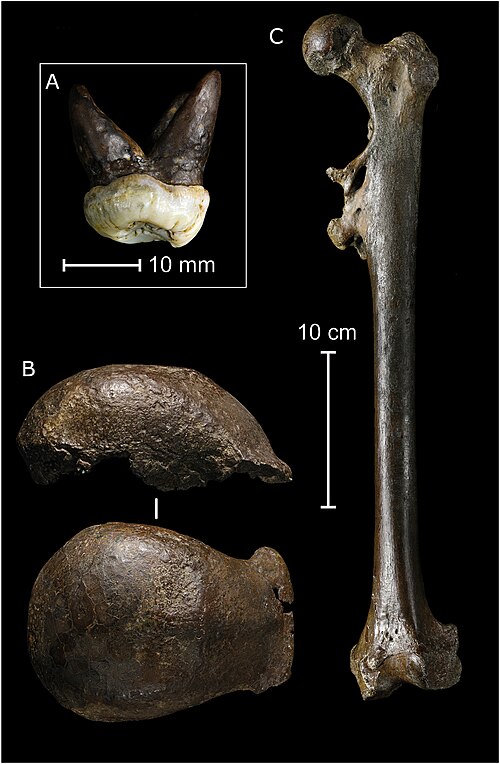
Competitor Eduard Pop et al. / CC BY 4.0 · cc-by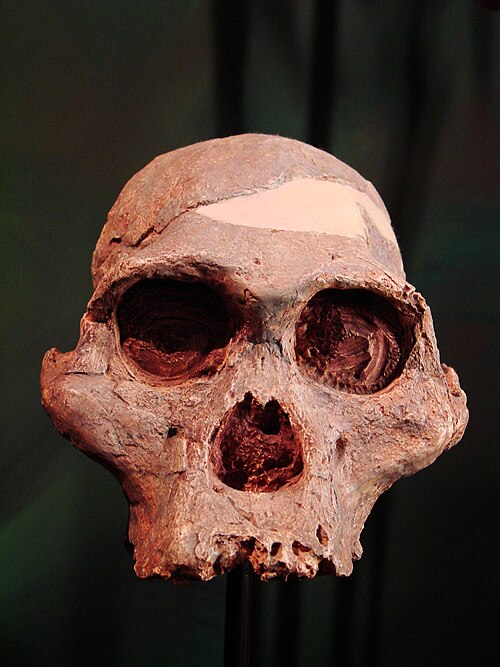
Predecessor Guérin Nicolas (messages) / CC BY-SA 3.0 · cc-by-sa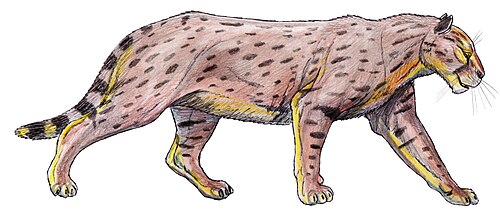
Predator Dmitry Bogdanov / CC BY-SA 4.0 · cc-by-sa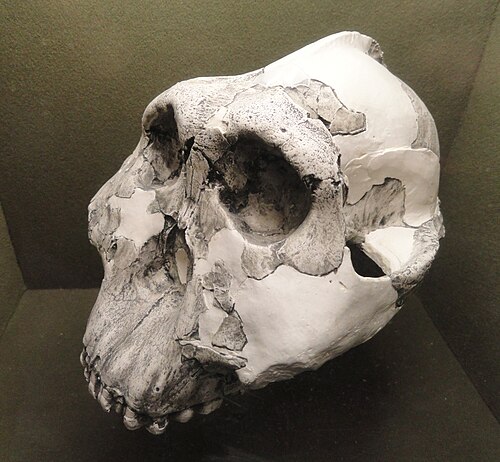
Close Relative Daderot / CC0 · cc0
Help improve the field guideSomething wrong?
Checking your Fauna account…Report a name, category, or profile issue for review.