
Mammal · GBIF taxon 4827637
Paranthropus aethiopicus
Paranthropus aethiopicusAlso known as Black Skull Hominin, Ethiopian Robust Australopithecine
Paranthropus aethiopicus possessed an imposing skull characterized by an enormous sagittal crest, dramatically flaring cheekbones, and massive premolars and molars adapted for powerful mastication. Roaming the lake basins and wooded river valleys of East Africa during the Late Pliocene, this early hominin processed tough, fibrous plants, seeds, and subterranean tubers. Most famously represented by the manganese-stained 'Black Skull' discovered near Lake Turkana, the lineage marks the earliest recognized emergence of the specialized robust hominin morphotype.
FossilPrimate
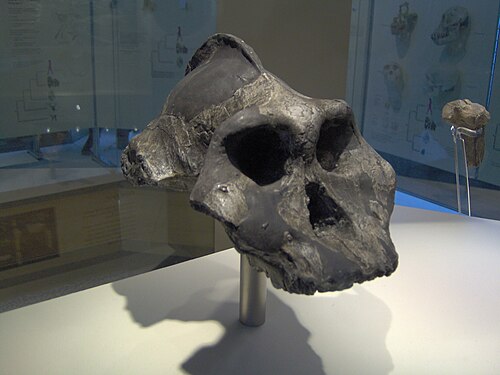
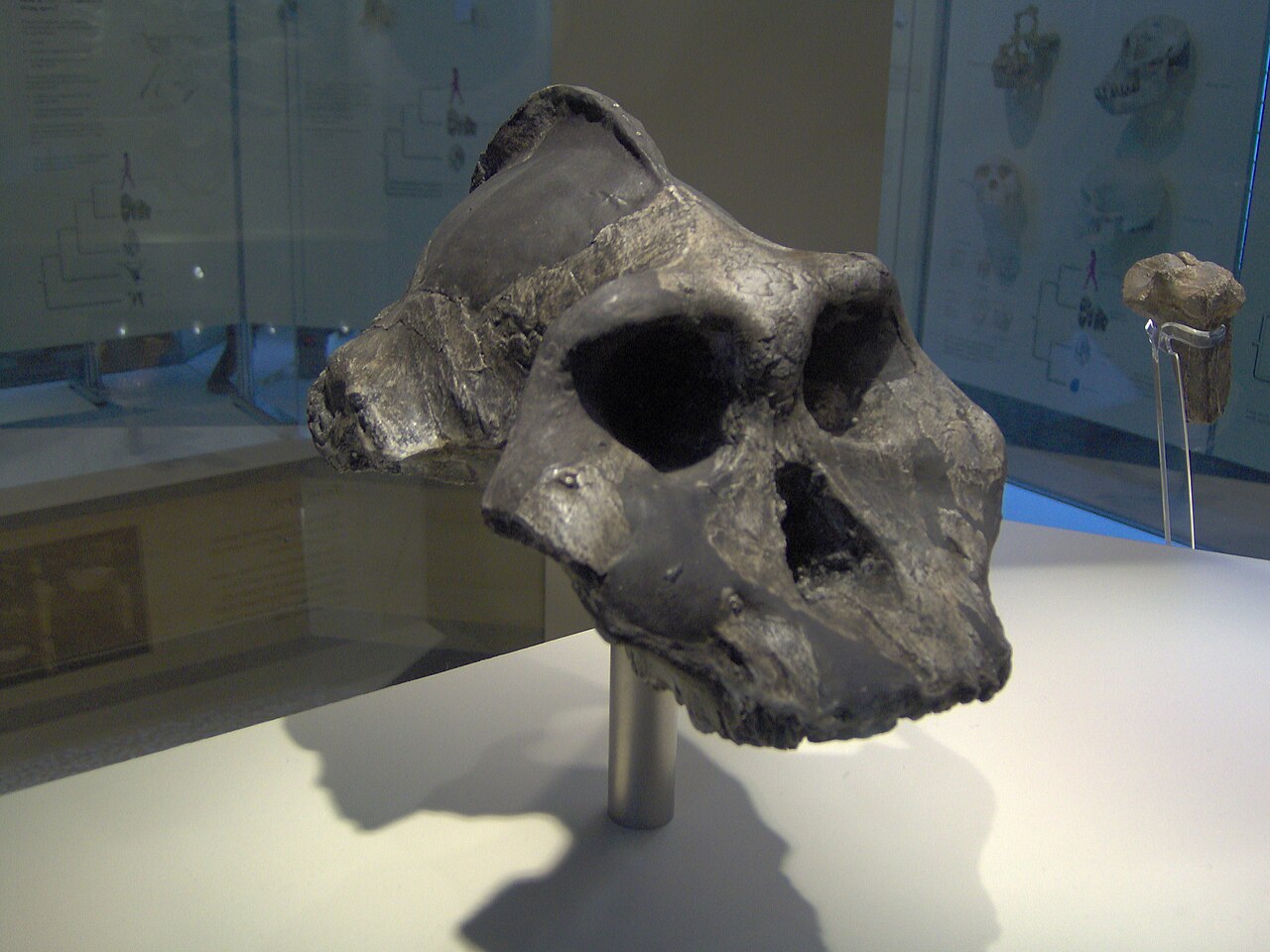
Licensed referenceNrkpan / CC BY-SA 3.0 · cc-by-sa
—observations
—countries
—peak records
ExtinctConservation statusIUCN Red List categoriesLCNTVUENCREWEXExtinctRed List categories, explained →
Diet & prey
- Tubers and roots
- Hard seeds and nuts
- Grasses and sedges
Predators
- Dinofelis
- Megantereon
- Crocodylus anthropophagus
ThreatsEnvironmental drying, floral shifts, and ecological competition
HabitatsWooded savannahs, riverine woodlands, and semi-arid lake basins
Life spanEstimated 30–40 years
Classification
- FamilyHominidae
- SpeciesParanthropus aethiopicus
Range data is not available yet.
Interaction riskLow
- Low
- Moderate
- High
- Very high
- Why interaction risk is low
- Extinct species; known only from fossilized skeletal remains.
Responsible observation
- Museum Exhibits: Examine high-fidelity casts of the iconic Black Skull (KNM-WT 17000) at major paleontology institutions.
- Academic Literature: Read micro-wear studies of fossil teeth to learn how researchers reconstruct ancient hominin diets.
 Image unavailable
Probable Ancestor 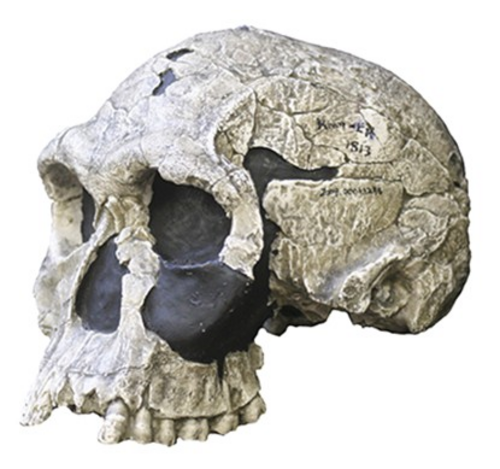
Contemporary Competitor John Hawks, Marina Elliott, Peter Schmid, Steven E. Churchill, Darryl J. de Ruiter, Eric M. Roberts, Hannah Hilbert-Wolf, Heather M. Garvin, Scott A. Williams, Lucas K. Delezene, Elen M. Feuerriegel, Patrick Randolph-Quinney, Tracy L. Kivell, Myra F. Laird, Gaokgatlhe Tawane, Jeremy M. DeSilva, Shara E. Bailey, Juliet K. Brophy, Marc R. Meyer, Matthew M. Skinner, Matthew W. Tocheri, Caroline VanSickle, Christopher S. Walker, Timothy L. Campbell, Brian Kuhn, Ashley Kruger, Steven Tucker, Alia Gurtov, Nompumelelo Hlophe, Rick Hunter, Hannah Morris, Becca Peixotto, Maropeng Ramalepa, Dirk van Rooyen, Mathabela Tsikoane, Pedro Boshoff, Paul H.G.M. Dirks, Lee R. Berger / CC BY 4.0 · cc-by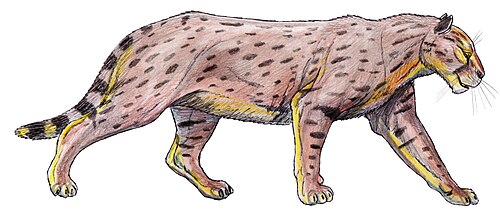
Predator Dmitry Bogdanov / CC BY-SA 4.0 · cc-by-sa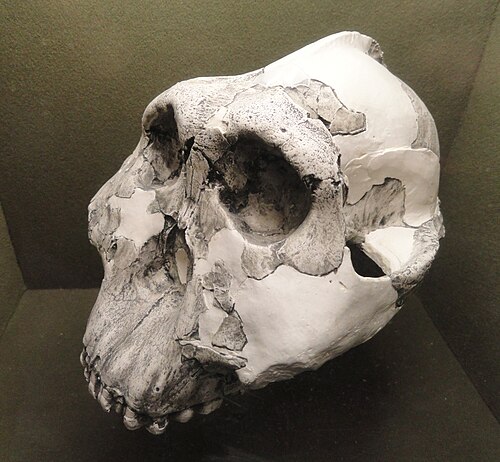
Close Relative Daderot / CC0 · cc0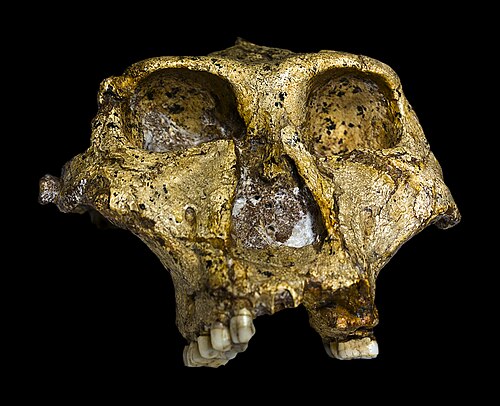
Close Relative Ditsong National Museum of Natural History / CC BY-SA 4.0 · cc-by-sa
Help improve the field guideSomething wrong?
Checking your Fauna account…Report a name, category, or profile issue for review.