
Mammal · GBIF taxon 4827625
Homo ergaster
Homo ergasterAlso known as African Homo erectus, Homo erectus ergaster
Homo ergaster represents a critical evolutionary transition toward modern human body proportions, featuring long lower limbs, narrow hips, and an expanded cranial capacity well suited for active endurance walking. These archaic hominins navigated open African savannas using sophisticated Acheulean bifacial hand axes, processing high-energy foods such as scavenged meat and underground tubers. Fossil evidence from Lake Turkana reveals cooperative group structures that shared food, cared for injured members, and maintained vigilance against formidable Pleistocene predators.
BipedalToolmaker
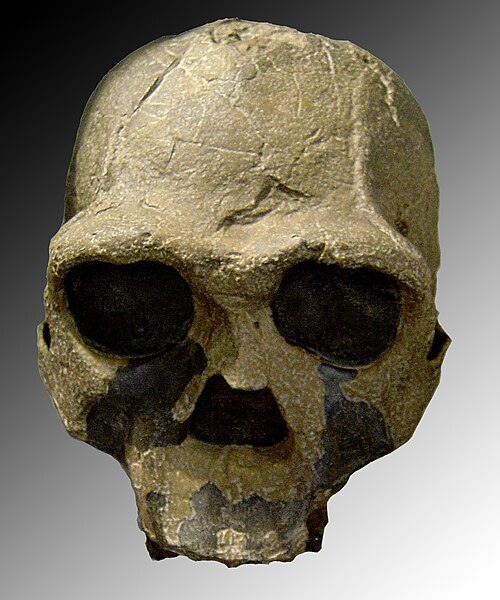
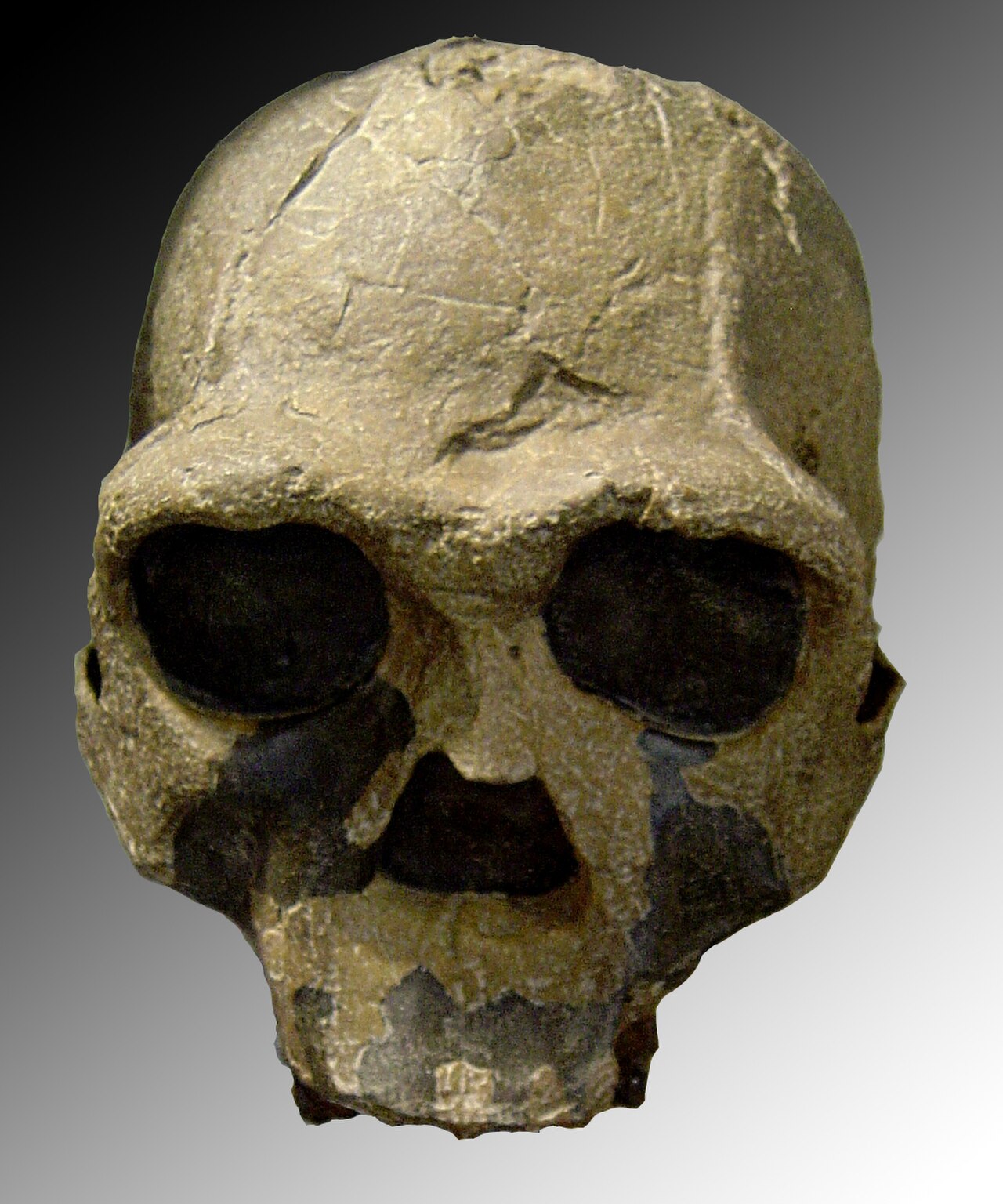
—observations
—countries
—peak records
ExtinctConservation statusIUCN Red List categoriesLCNTVUENCREWEXExtinctRed List categories, explained →
Diet & prey
- Savanna ungulates
- Edible tubers
- Small mammals
Predators
- Megantereon
- Dinofelis
- Crocodiles
ThreatsClimatic shifts, aridification, and predation by apex carnivores
HabitatsArid savannas, open grasslands, and riparian lake margins
Life spanRoughly 30–40 years
Classification
- FamilyHominidae
- SpeciesHomo ergaster
Range data is not available yet.
Interaction riskLow
- Low
- Moderate
- High
- Very high
- Why interaction risk is low
- Extinct species; safe to observe through museum fossil collections.
Responsible observation
- Museum viewing: Examine casts and fossilized skeletons like the Turkana Boy in certified natural history repositories.
- Site etiquette: Avoid disturbing active geological layers or unpermitted archaeological deposits in the East African Rift.
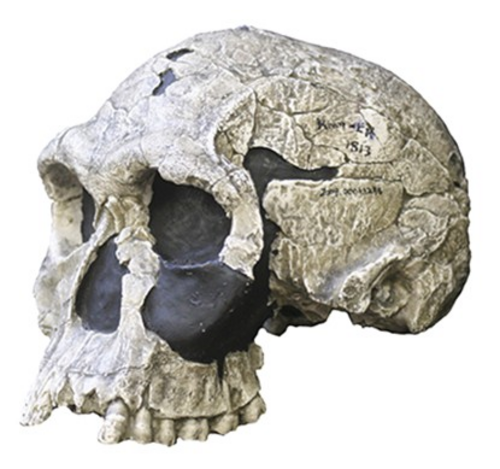
Ancestor John Hawks, Marina Elliott, Peter Schmid, Steven E. Churchill, Darryl J. de Ruiter, Eric M. Roberts, Hannah Hilbert-Wolf, Heather M. Garvin, Scott A. Williams, Lucas K. Delezene, Elen M. Feuerriegel, Patrick Randolph-Quinney, Tracy L. Kivell, Myra F. Laird, Gaokgatlhe Tawane, Jeremy M. DeSilva, Shara E. Bailey, Juliet K. Brophy, Marc R. Meyer, Matthew M. Skinner, Matthew W. Tocheri, Caroline VanSickle, Christopher S. Walker, Timothy L. Campbell, Brian Kuhn, Ashley Kruger, Steven Tucker, Alia Gurtov, Nompumelelo Hlophe, Rick Hunter, Hannah Morris, Becca Peixotto, Maropeng Ramalepa, Dirk van Rooyen, Mathabela Tsikoane, Pedro Boshoff, Paul H.G.M. Dirks, Lee R. Berger / CC BY 4.0 · cc-by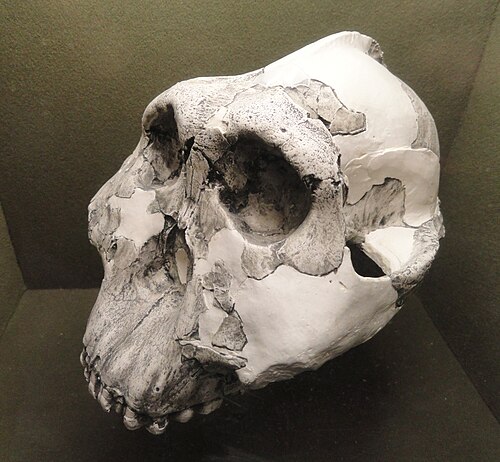
Competitor Daderot / CC0 · cc0 Image unavailable
Predator 
Close Relative Eduard Pop et al. / CC BY 4.0 · cc-by
Help improve the field guideSomething wrong?
Checking your Fauna account…Report a name, category, or profile issue for review.