
Mammal · GBIF taxon 4825833
Woolly Mammoth
Mammuthus primigeniusAlso known as Tundra Mammoth
Woolly mammoths thrived across the vast mammoth steppe of the northern hemisphere, insulated from sub-zero winds by a shaggy coat with hairs up to a meter long and a ten-centimeter layer of subcutaneous fat. Their massive, spiraled tusks grew throughout life, serving to sweep aside deep drifts of snow, fell brush, and fend off predators. Family units likely resembled those of modern elephants, with tight-knit matriarchal herds guiding young calves along ancient migratory routes.
HerbivoreIce Age
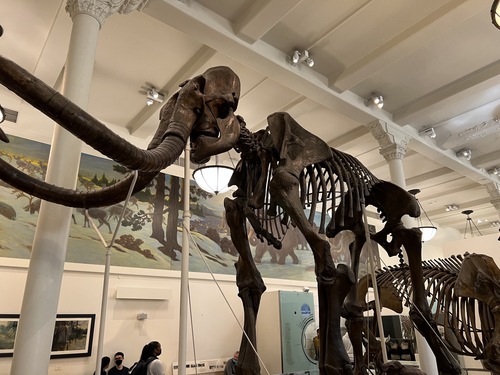
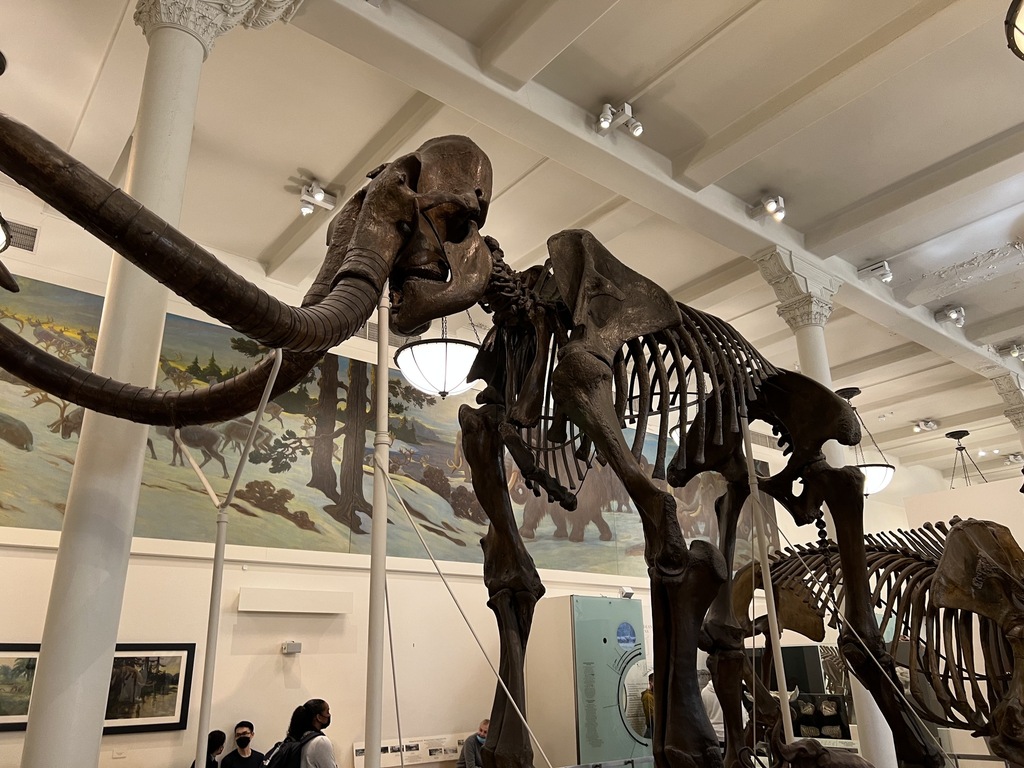
Licensed referenceno rights reserved, uploaded by mionectes · cc0
—observations
—countries
—peak records
ExtinctConservation statusIUCN Red List categoriesLCNTVUENCREWEXExtinctRed List categories, explained →
Diet & prey
- Grasses
- Sedges
- Dwarf Willow
Predators
- Early Humans
- Cave Lion
- Cave Hyena
ThreatsPost-glacial climate warming, loss of steppe vegetation, and human hunting
HabitatsMammoth steppe, permafrost tundra, and cold grasslands
Life span60–70 years
Classification
- FamilyElephantidae
- SpeciesMammuthus primigenius
Range data is not available yet.
Interaction riskLow
- Low
- Moderate
- High
- Very high
- Why interaction risk is low
- Extinct species; no living individuals exist to observe.
Responsible observation
- Fossil Etiquette: Leave any ice-exposed tusks or bones intact and report GPS coordinates to regional paleontologists.
- Museum Viewing: Examine articulated skeletal mounts in natural history exhibits to observe tusk curvature and tooth plates.
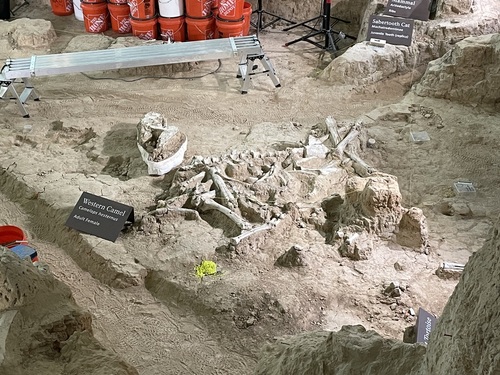
Same Genus (c) lejones417, some rights reserved (CC BY-SA) · cc-by-sa Image unavailable
Ancestor 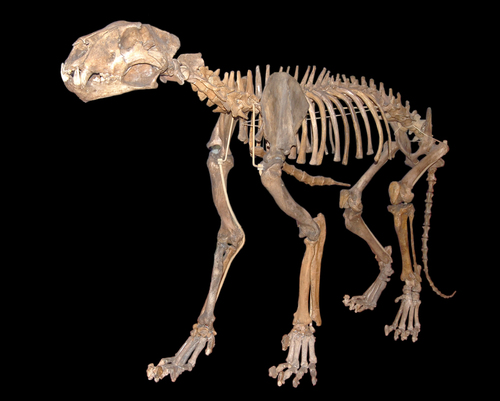
Predator (c) Tommy, some rights reserved (CC BY) · cc-by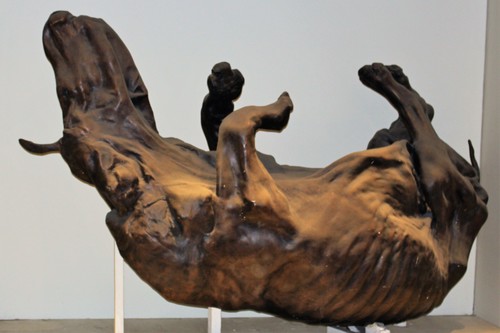
Competitor (c) Emőke Dénes, some rights reserved (CC BY-SA) · cc-by-sa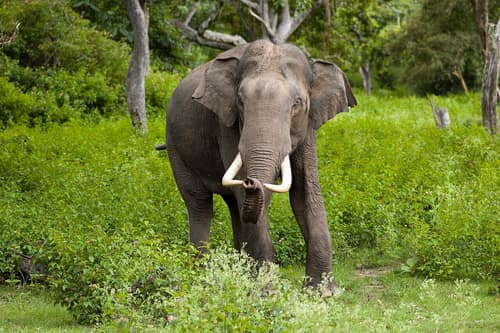
Close Relative Yathin S Krishnappa / CC BY-SA 3.0 · cc-by-sa
Help improve the field guideSomething wrong?
Checking your Fauna account…Report a name, category, or profile issue for review.