
Invertebrate
Intestinal Roundworm
Ascaris lumbricoidesAlso known as Human Roundworm, Giant Roundworm
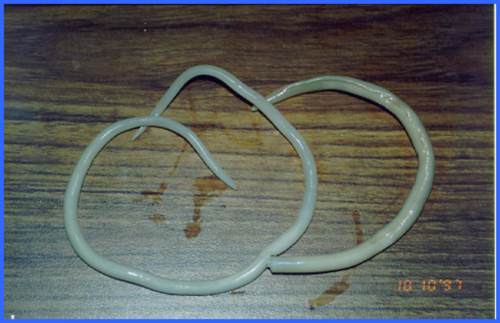
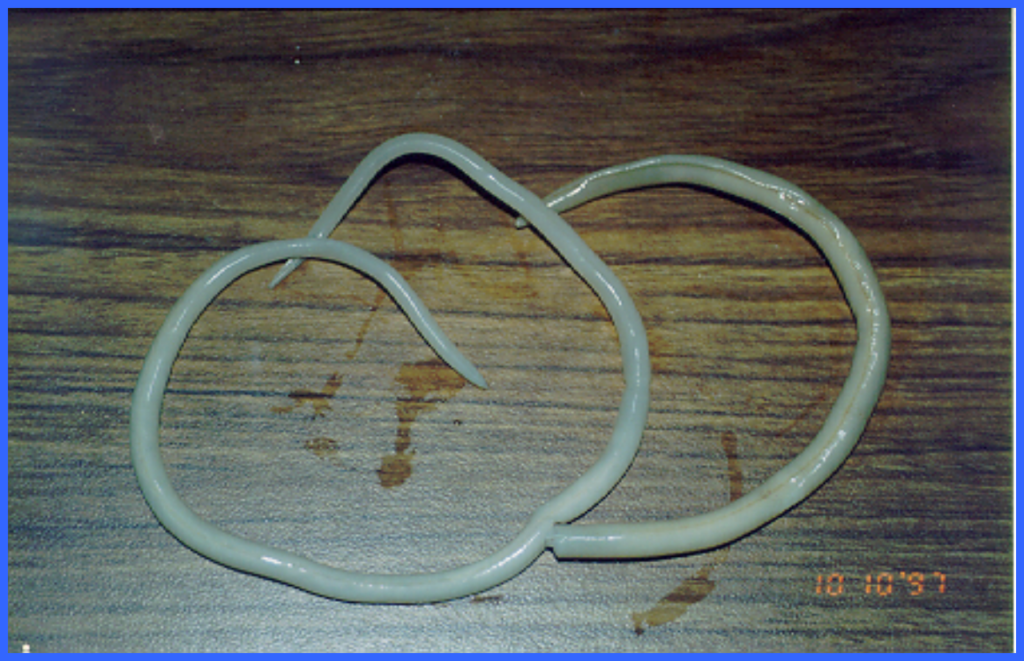
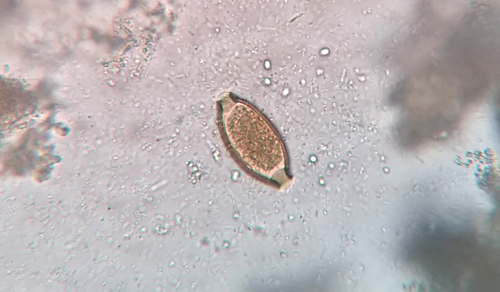
These giant roundworms inhabit the human small intestine, where adults sustain themselves by absorbing partially digested nutrients directly from the gut lumen. Fertilized eggs pass out in feces and can remain viable in warm, moist soil for years thanks to a tough lipid shell. Once swallowed, newly hatched larvae embark on a complex bodily migration, burrowing through intestinal capillaries into the lungs, crawling up the trachea, and being swallowed back down into the gut to mature.
ParasiticNematodeMicroscopic Eggs
—observations
—countries
—peak records
Not EvaluatedConservation statusIUCN Red List categoriesLCNTVUENCREWEXNot Evaluated — not placed on the risk ladderRed List categories, explained →
Diet & preyHost digestive chyme, Cellular debris
ThreatsAnthelmintic medications and improved sanitation infrastructure
HabitatsHuman small intestine and tropical or subtropical soils
Life span1–2 years as adults in the host
Classification
- FamilyAscarididae
- SpeciesAscaris lumbricoides
Range data is not available yet.
Interaction riskModerate
- Low
- Moderate
- High
- Very high
- Why interaction risk is moderate
- Causes ascariasis via microscopic soil eggs; wash hands and avoid consuming unwashed produce.
- Why it is dangerous
- Ingested microscopic eggs cause ascariasis, leading to intestinal blockage, malnutrition, and tissue damage during pulmonary larval migration.
- How to recognize a risky encounter
- Adults appear as large, smooth, cream-to-pinkish cylindrical worms with tapered ends, often passed in stool or vomitus.
- What to do
- Never handle specimens with bare hands; decontaminate surfaces with bleach and consult medical professionals for antiparasitic treatment.
Responsible observation
- Hygiene: Wash hands thoroughly with soap and warm water before handling food or eating.
- Produce Prep: Thoroughly scrub, peel, or cook vegetables grown in regions utilizing night soil or untreated wastewater.
Competitor (c) Microrao, some rights reserved (CC BY-SA) · cc-by-sa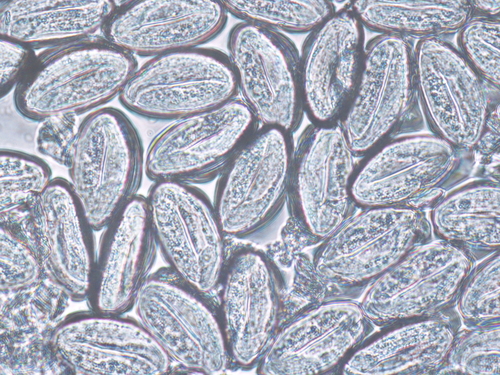
Neighbor (c) Biblioteca Biomedica Centro di Documentazione, some rights reserved (CC BY-SA) · cc-by-sa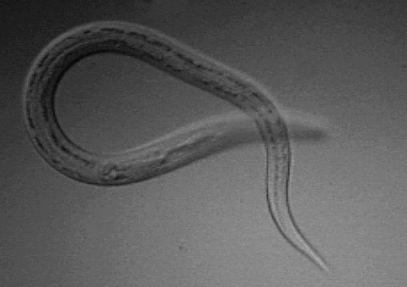
Neighbor (c) Jasper Lawrence, 일부 권리 보유 (CC BY-SA) · cc-by-sa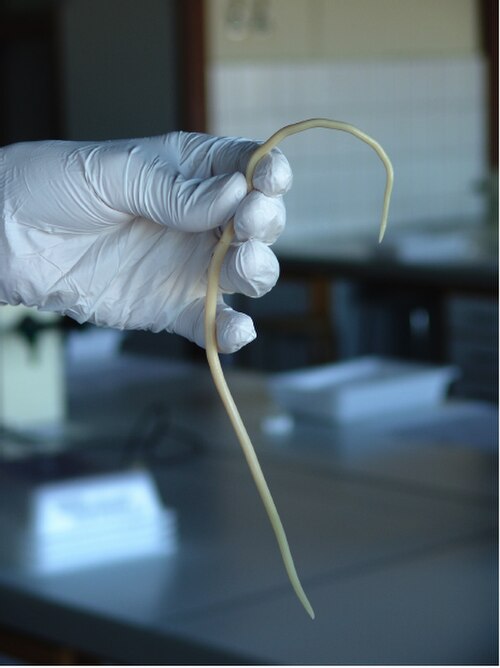
Close Relative VlaminckJ / CC BY-SA 4.0 · cc-by-sa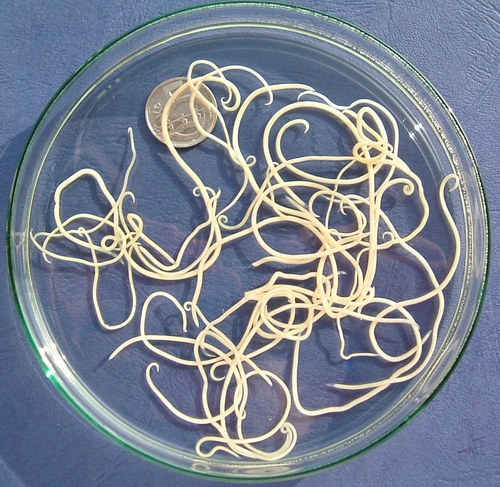
Same Family (c) Flukeman, some rights reserved (CC BY-SA) · cc-by-sa
Help improve the field guideSomething wrong?
Checking your Fauna account…Report a name, category, or profile issue for review.