
Invertebrate
Human Whipworm
Trichuris trichiuraAlso known as Whipworm
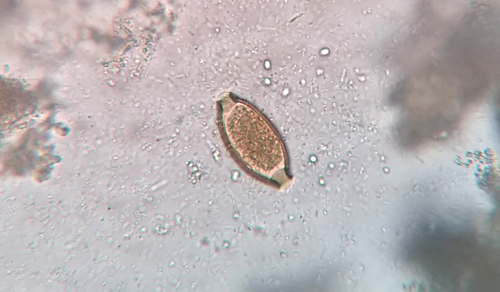
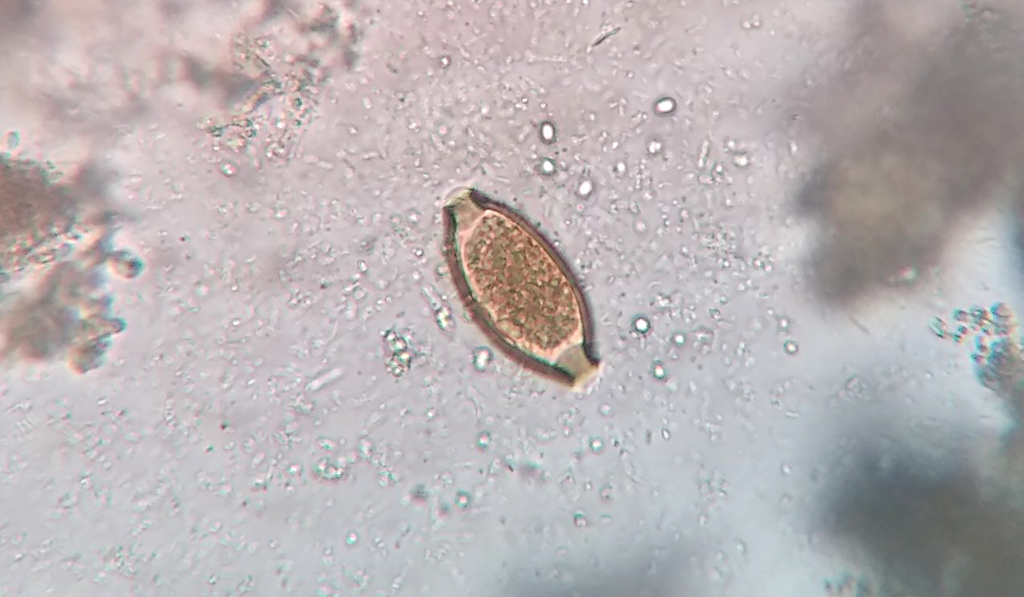
Human whipworms are specialized intestinal parasites with a distinctive thread-like anterior that threads into the epithelial lining of the cecum and colon. Adult females shed thousands of unembryonated, barrel-shaped eggs daily, which pass into the environment through host feces and become infective after maturing in warm, moist soil. Heavy infestations provoke persistent inflammation, abdominal cramps, and rectal prolapse, representing one of the most widespread soil-transmitted helminth infections worldwide.
ParasiticInvertebrateEndoparasite
—observations
—countries
—peak records
Not EvaluatedConservation statusIUCN Red List categoriesLCNTVUENCREWEXNot Evaluated — not placed on the risk ladderRed List categories, explained →
Diet & preyHost blood, Mucosal cells, Tissue fluids
ThreatsImproved community sanitation, footwear usage, and anthelmintic medications
HabitatsHuman cecum and large intestine; warm, humid tropical and subtropical soils
Life span1–5 years
Classification
- FamilyTrichuridae
- SpeciesTrichuris trichiura
Range data is not available yet.
Interaction riskModerate
- Low
- Moderate
- High
- Very high
- Why interaction risk is moderate
- Ingestion of embryonated eggs from contaminated soil causes trichuriasis; practice thorough handwashing.
- Why it is dangerous
- Ingesting embryonated eggs causes trichuriasis, leading to bloody diarrhea, chronic iron-deficiency anemia, and rectal prolapse.
- How to recognize a risky encounter
- Adults measure 3 to 5 cm with an elongated, whip-like anterior end; eggs exhibit distinctive bipolar plugs under microscopy.
- What to do
- Never touch untreated soil or human waste barehanded, and wear protective gloves when handling contaminated diagnostic samples.
Responsible observation
- Hygiene: Wash hands thoroughly with soap after contacting soil and before handling food.
- Food Safety: Clean, peel, or thoroughly cook all produce harvested from areas using untreated wastewater.
- Clinical Examination: Inspect stool samples under magnification for characteristic barrel-shaped eggs.
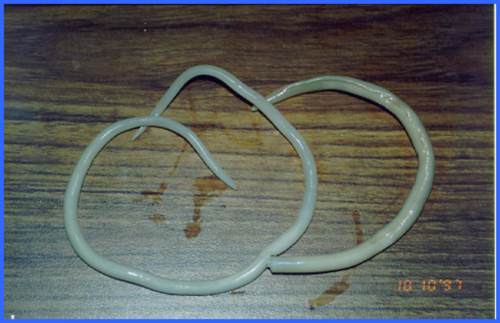
Frequent Companion (c) SuSanA Secretariat, some rights reserved (CC BY) · cc-by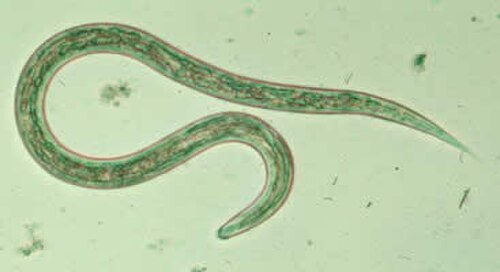
Co-infection Partner DPDx Image Library / Public domain · cc0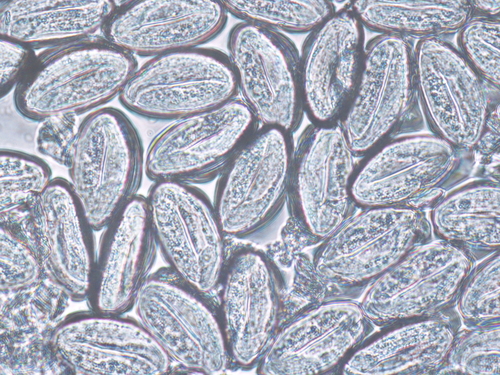
Same Class (c) Biblioteca Biomedica Centro di Documentazione, some rights reserved (CC BY-SA) · cc-by-sa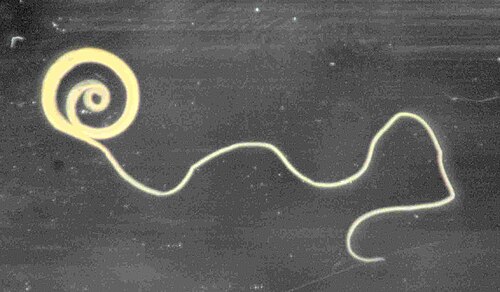
Close Relative Universidad de Córdoba / Public domain · cc0
Help improve the field guideSomething wrong?
Checking your Fauna account…Report a name, category, or profile issue for review.