
Invertebrate
Stone Crayfish
Austropotamobius torrentiumAlso known as European Stone Crayfish, Balkan Stone Crayfish
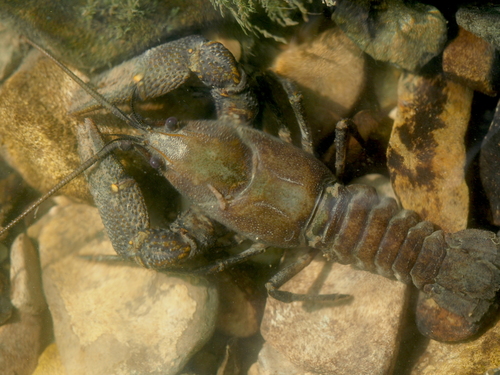
Stone crayfish inhabit cold, fast-flowing mountain streams with rocky substrates across central and southeastern Europe. Strictly nocturnal creatures, they spend daylight hours concealed beneath flat riverbed stones to escape predators and strong currents. Females carry fertilized eggs attached to their swimmerets through the winter, nurturing hatched juveniles until their first molt.
FreshwaterNocturnalCrustacean

—observations
—countries
—peak records
Least ConcernConservation statusIUCN Red List categoriesLCNTVUENCREWEXLeast ConcernRed List categories, explained →
Diet & preyAquatic Insect Larvae, Freshwater Snails, Decaying Plant Matter
Predators
- Eurasian Otter
- Grey Heron
- Brown Trout
ThreatsCrayfish plague, invasive American crayfish, channelization, thermal pollution
HabitatsCold mountain streams, upland rivers, clear brooks with gravel and stony bottoms
Life span10–15 years
Classification
- FamilyAstacidae
- SpeciesAustropotamobius torrentium
Range data is not available yet.
Interaction riskLow
- Low
- Moderate
- High
- Very high
- Why interaction risk is low
- Pinchers can break skin if handled roughly; observe undisturbed in its stream habitat.
- What to notice
- Recognize this small, smooth-shelled olive crayfish in cold, high-elevation headwater streams.
- Support conservation
- Observe from stream banks without capturing specimens or transferring water between river systems.
Responsible observation
- Night Searches: Use a red flashlight to spot active crayfish on stream beds after dusk.
- Minimize Disturbance: Avoid overturning large stones in breeding streams to protect egg-bearing females.
- Biosecurity Precautions: Clean and dry waders thoroughly before entering a new watercourse.
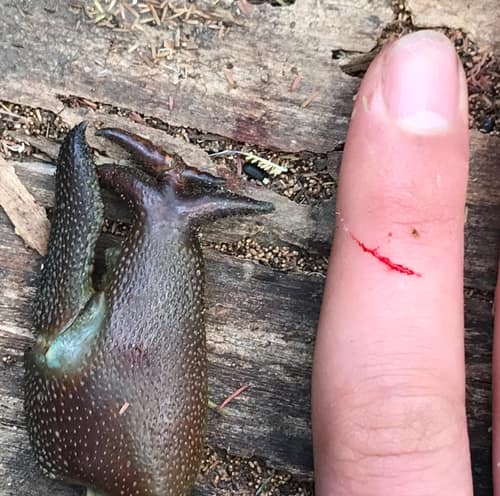
Invasive Competitor (c) Parsa Fard, some rights reserved (CC BY) · cc-by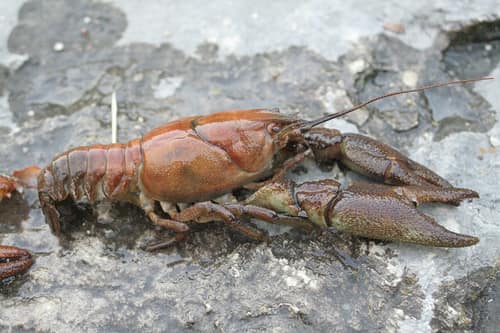
Close Relative David Gerke / CC BY-SA 3.0 · cc-by-sa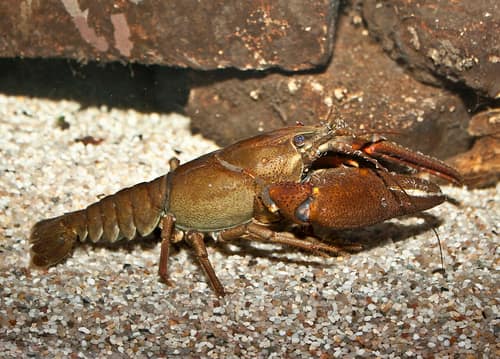
Close Relative Dragon187 / CC BY-SA 3.0 · cc-by-sa
Help improve the field guideSomething wrong?
Checking your Fauna account…Report a name, category, or profile issue for review.