
Mammal
Wild Horse
Equus ferusAlso known as Eurasian Wild Horse, Takhi, Tarpan
Wild horses form tightly bonded social harems led by a dominant stallion and guided by an experienced lead mare across vast open plains. They communicate through an intricate repertoire of nickers, whinnies, ear postures, and mutual grooming rituals that maintain order within the herd. True wild populations endure harsh continental winters by pawing through deep snow to reach dried grasses and winter-dormant steppe vegetation.
HerbivoreHerd AnimalGrassland
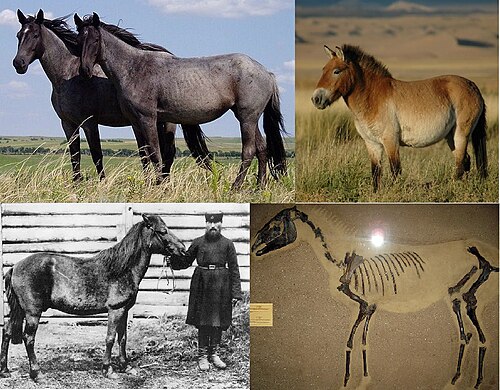
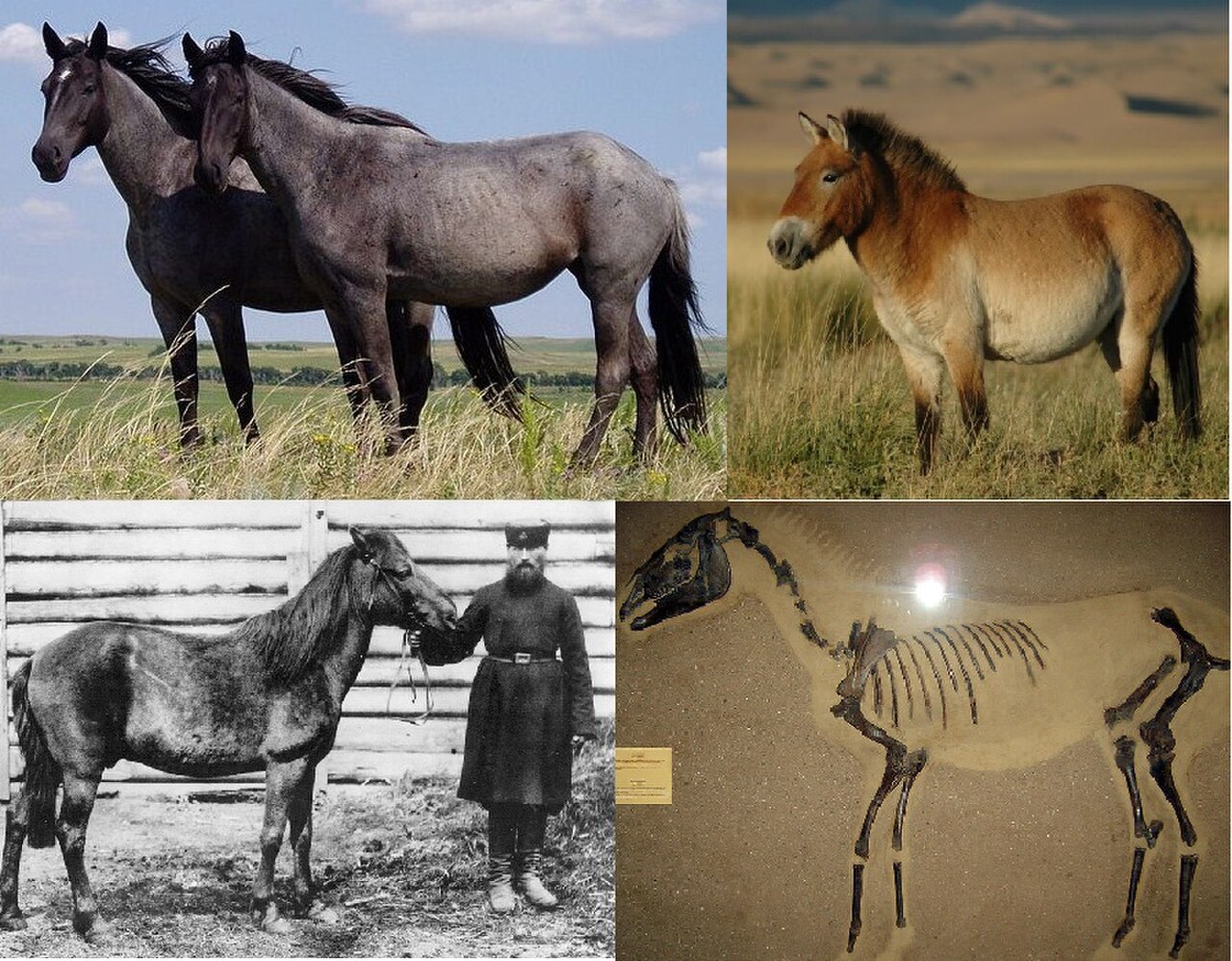
—observations
—countries
—peak records
EndangeredConservation statusIUCN Red List categoriesLCNTVUENCREWEXEndangeredRed List categories, explained →
Diet & preyGrasses, Sedges, Shrub Foliage
Predators
- Gray Wolf
ThreatsHabitat loss, resource competition with domestic livestock, and hybridisation
HabitatsTemperate grasslands, open steppes, and semi-deserts
Life span20–30 years
Classification
- FamilyEquidae
- SpeciesEquus ferus
Range data is not available yet.
Interaction riskHigh
- Low
- Moderate
- High
- Very high
- Why interaction risk is high
- Powerful kicks and defensive bites can cause serious injury; observe herds from a safe distance.
- Why it is dangerous
- Large body mass and explosive kicking power can cause crushing blunt-force trauma or severe fractures if an observer gets too close.
- How to recognize a risky encounter
- Look for a stocky build, dun or bay coat, erect brush-like mane without a forelock, and a dark dorsal stripe.
- What to do
- Do not attempt to feed, pet, or encircle wild herds; step back slowly if a stallion pins his ears or steps forward.
- What to notice
- Recognised by a pale muzzle, dun coloration, dark zebra-like leg striping, and distinctive upright mane.
- Support conservation
- Stay on marked tracks within reserve boundaries to prevent degrading sensitive steppe forage and watering holes.
Responsible observation
- Viewing Distance: Use binoculars or a spotting scope to watch herd dynamics without causing alarm.
- Breeding Season: Give bachelor bands and harem stallions extra space when seasonal tensions flare.
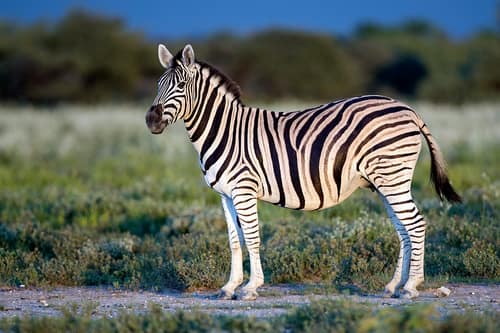
Same Genus Yathin S Krishnappa / CC BY-SA 3.0 · cc-by-sa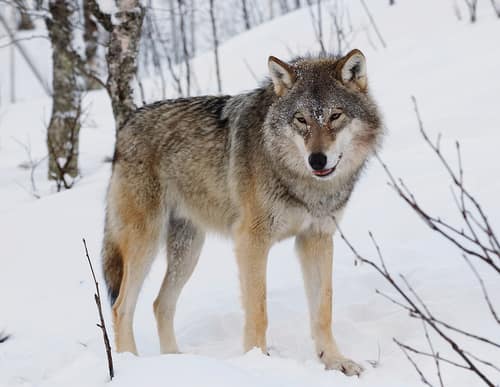
Predator User:Mas3cf / CC BY-SA 4.0 · cc-by-sa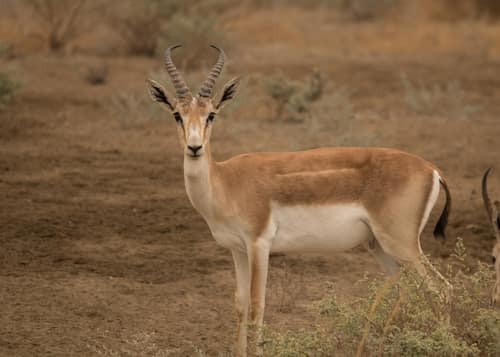
Neighbor (c) Elşad İbrahimov, some rights reserved (CC BY-SA) · cc-by-sa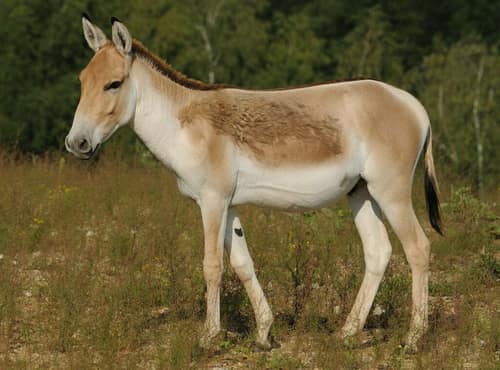
Close Relative (c) Michael Oppermann, some rights reserved (CC BY-SA) · cc-by-sa
Help improve the field guideSomething wrong?
Checking your Fauna account…Report a name, category, or profile issue for review.