
Mammal · GBIF taxon 4267319
Mountain Gorilla
Gorilla beringei beringeiAlso known as Virunga Gorilla
Mountain gorillas inhabit the lush, mist-shrouded volcanic slopes of central Africa, forming close-knit family groups led by a dominant silverback. These massive primates spend their days foraging through dense understory vegetation, building fresh leaf nests on the ground or low branches each evening. Gentle and highly social, they communicate through a complex repertoire of vocalizations, chest-beats, and expressive facial postures.
DiurnalSocialHerbivorous
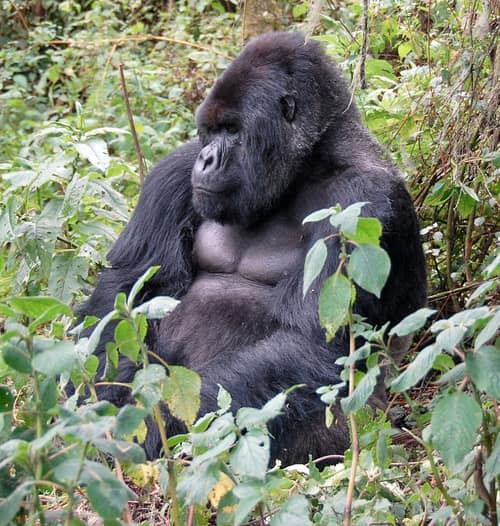
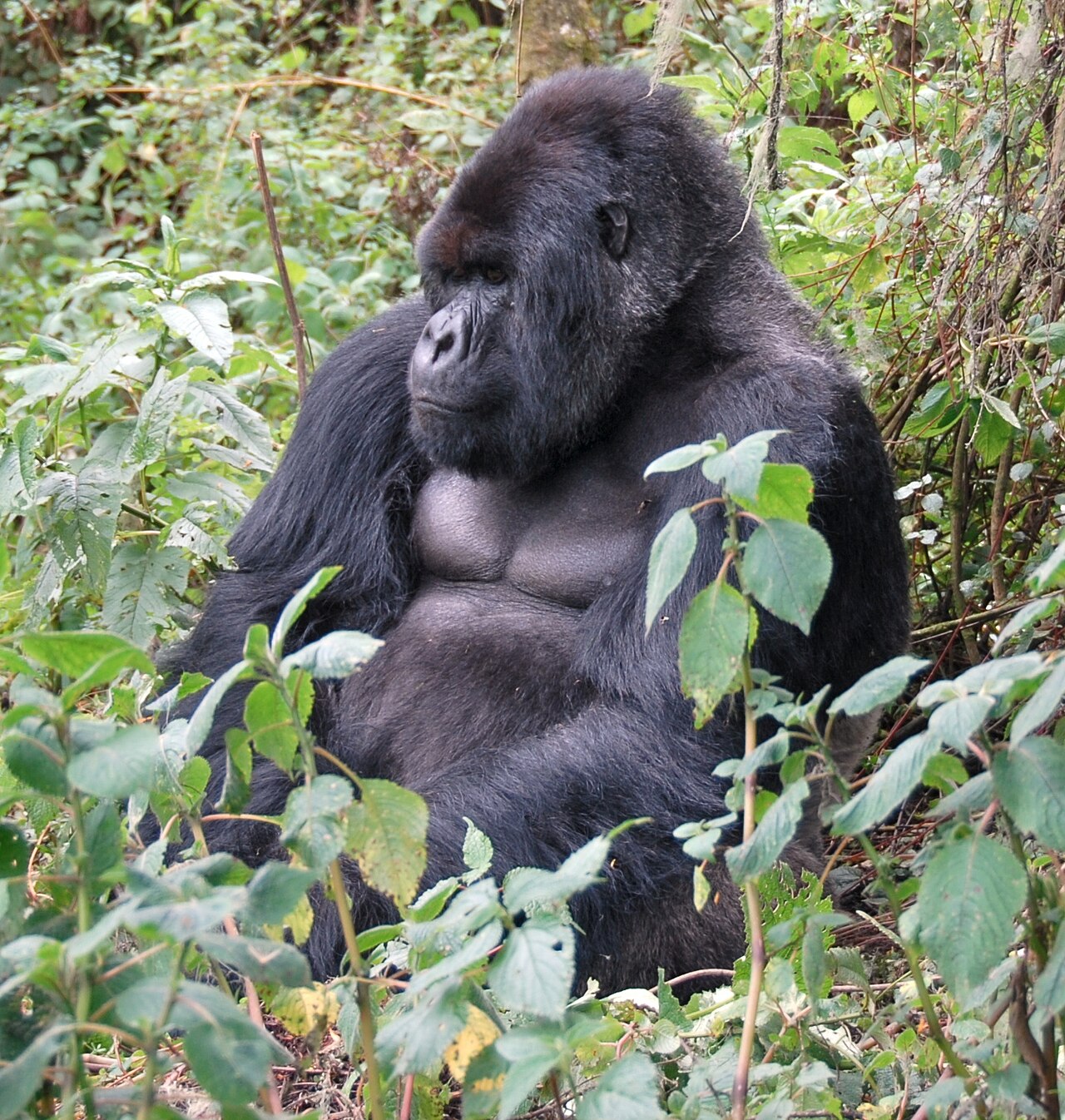
Licensed referencehttps://www.flickr.com/photos/deepphoto/ d_proffer / CC BY 2.0 · cc-by
—observations
—countries
—peak records
EndangeredConservation statusIUCN Red List categoriesLCNTVUENCREWEXEndangeredRed List categories, explained →
Diet & prey
- Bamboo Shoots
- Wild Celery
- Tree Bark
Predators
- Leopard
- Human
ThreatsHabitat loss, poaching, human disease transmission, civil unrest
HabitatsMontane rainforest, cloud forest
Life span35–40 years in the wild
Size / weightNot available
Classification
- FamilyHominidae
- SpeciesGorilla beringei beringei
Range data is not available yet.
Interaction riskHigh
- Low
- Moderate
- High
- Very high
- Why interaction risk is high
- Large and powerful; maintain a safe distance and follow park guide instructions strictly.
- Why it is dangerous
- Exceptional physical strength and teeth can inflict severe trauma if a silverback feels his group is threatened.
- How to recognize a risky encounter
- Recognized by dense black fur, a broader chest, and silver saddle fur across the back of mature males.
- What to do
- Never approach unguided; crouch, look down, and remain still if a gorilla makes a threat display.
- What to notice
- Found exclusively in the Virunga Mountains and Bwindi Impenetrable Forest.
- Support conservation
- Follow eco-tourism guidelines precisely, limit visit durations, and wear masks when required by rangers.
Responsible observation
- Keep Distance: Stay at least 7 to 10 meters away to prevent disease transmission and stress.
- Submissive Posture: Avoid direct eye contact and lower your head if a silverback charges or displays.
- Health Precaution: Do not visit if you are sick, as human respiratory illnesses can be fatal to gorillas.
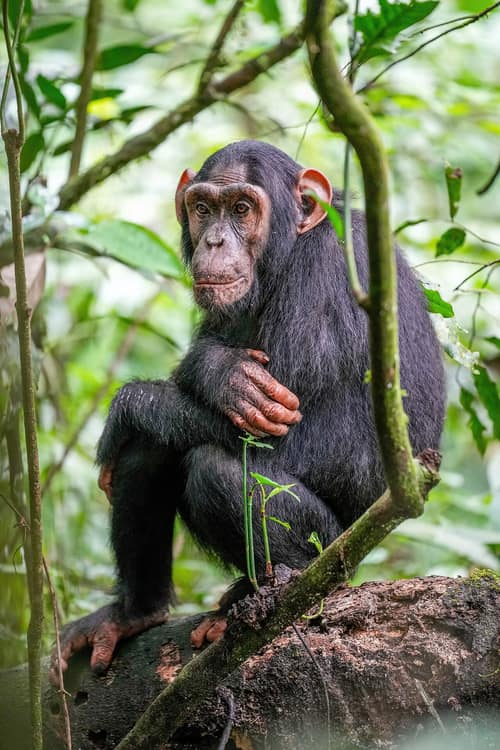
Co-inhabitant Giles Laurent / CC BY-SA 4.0 · cc-by-sa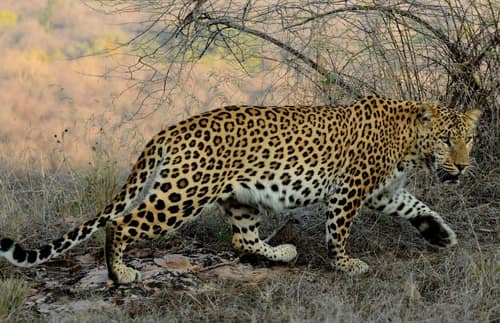
Predator (c) Raja bandi, some rights reserved (CC BY), uploaded by Raja bandi · cc-by
Help improve the field guideSomething wrong?
Checking your Fauna account…Report a name, category, or profile issue for review.