
Mammal · GBIF taxon 4267223
Tufted Gray Langur
Semnopithecus priamAlso known as Madras Gray Langur, Coromandel Sacred Langur
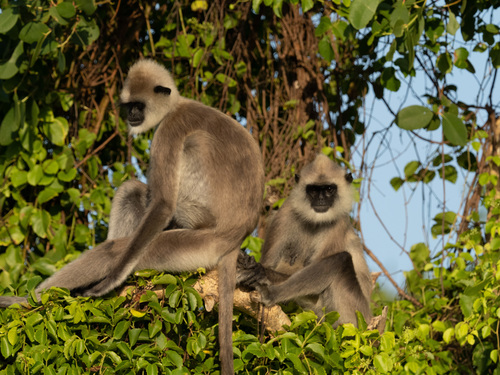
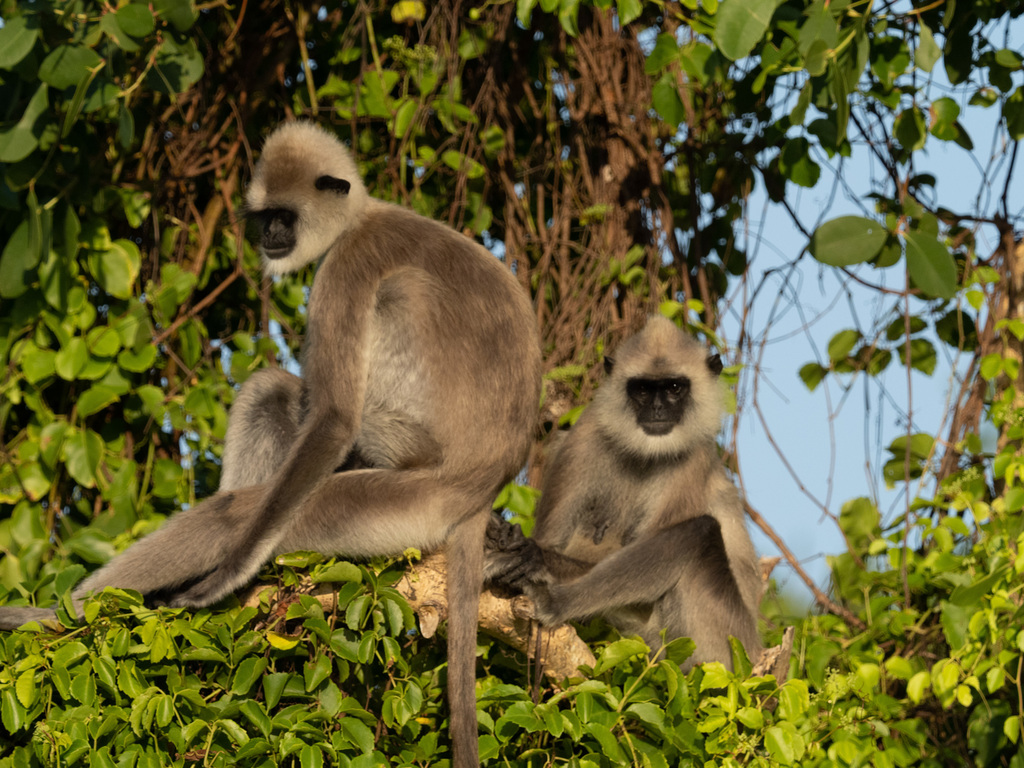
Tufted gray langurs travel in social troops through dry forest canopies, scrubland, and temple precincts, led by dominant males that utter loud calls to mark territorial borders. A distinct pointed tuft of hair atop their crown and black, mask-like facial skin easily distinguish them while foraging for foliage and seeds. Complex, multi-chambered stomachs allow them to break down fibrous leaves that other primates cannot easily digest.
ArborealSocialDiurnal
—observations
—countries
—peak records
Near ThreatenedConservation statusIUCN Red List categoriesLCNTVUENCREWEXNear ThreatenedRed List categories, explained →
Diet & prey
- Leaves
- Wild fruits
- Flowers
Predators
- Leopard
- Dhole
- Indian Python
ThreatsHabitat loss, road mortality, agricultural conflict
HabitatsDry evergreen forest, deciduous forest, scrubland, human habitations
Life span18–25 years
Size / weightNot available
Classification
- FamilyCercopithecidae
- SpeciesSemnopithecus priam
Range data is not available yet.
Interaction riskLow
- Low
- Moderate
- High
- Very high
- Why interaction risk is low
- May bite or scratch if cornered, handled, or habituated to food; observe from a respectful distance.
- What to notice
- Recognized by long pale fur, black facial skin, and a distinct pointed hair tuft atop the head.
- Support conservation
- Keep a quiet distance, refrain from direct eye contact, and avoid feeding or approaching young infants.
Responsible observation
- Distance: Maintain at least ten meters to avoid provoking defensive troop vocalizations.
- Feeding: Never feed wild monkeys, as habituation increases roadside aggression and vehicle strikes.
- Observation: Watch high canopy branches during hot midday hours when troops gather to rest.
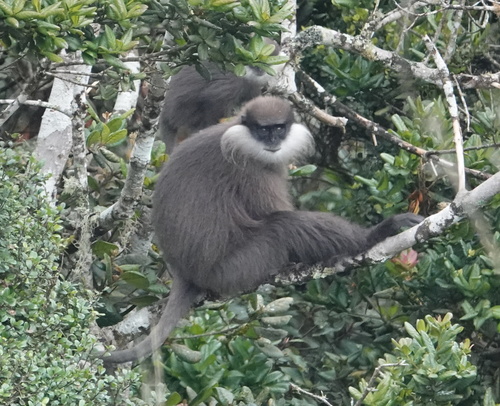
Co-occurring Species (c) Matthew Blissett, some rights reserved (CC BY), uploaded by Matthew Blissett · cc-by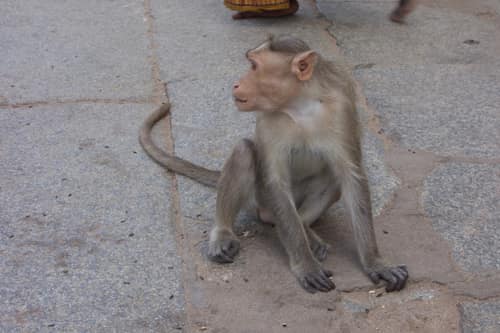
Competitor (c) Stefano Menchetti, some rights reserved (CC BY-SA), uploaded by Stefano Menchetti · cc-by-sa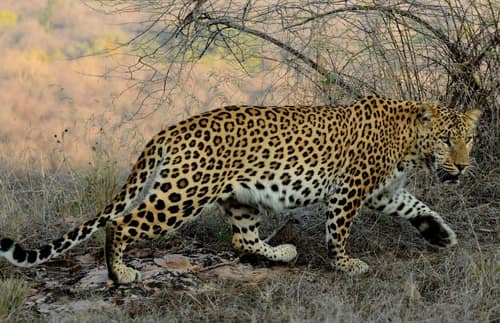
Predator (c) Raja bandi, some rights reserved (CC BY), uploaded by Raja bandi · cc-by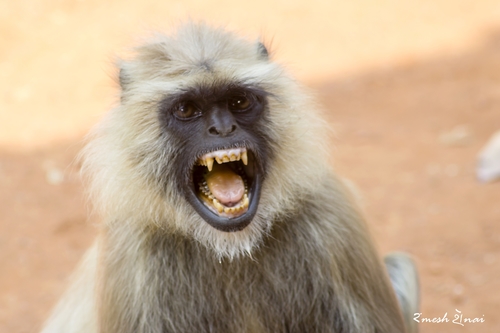
Close Relative (c) Ramesh Shenai, some rights reserved (CC BY), uploaded by Ramesh Shenai · cc-by
Help improve the field guideSomething wrong?
Checking your Fauna account…Report a name, category, or profile issue for review.