
Mammal · GBIF taxon 4267221
Tarai Gray Langur
Semnopithecus hectorAlso known as Terai Gray Langur, Lesser Hill Gray Langur, Terai Langur
Tarai gray langurs move gracefully through the foothill forests and broadleaf woodlands along the southern base of the Himalayas. Living in cohesive social troops, these primates spend their days foraging on fresh leaves, leaping through the canopy, and resting on lower tree branches. Vocal alarm calls from watchful troop sentinels frequently alert both troop members and other wildlife to prowling predators.
DiurnalSocialArboreal
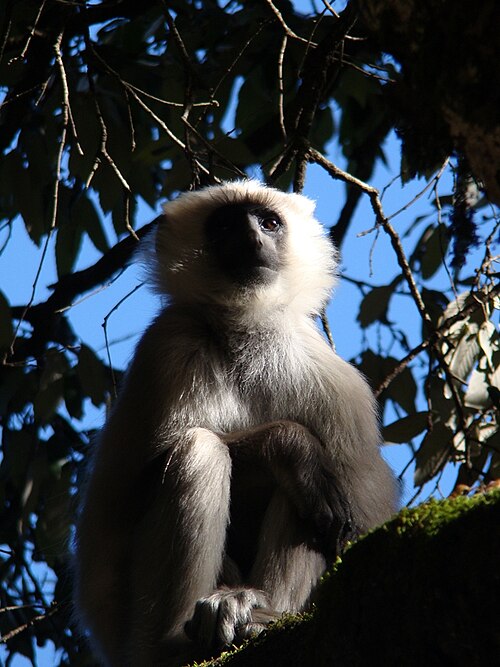
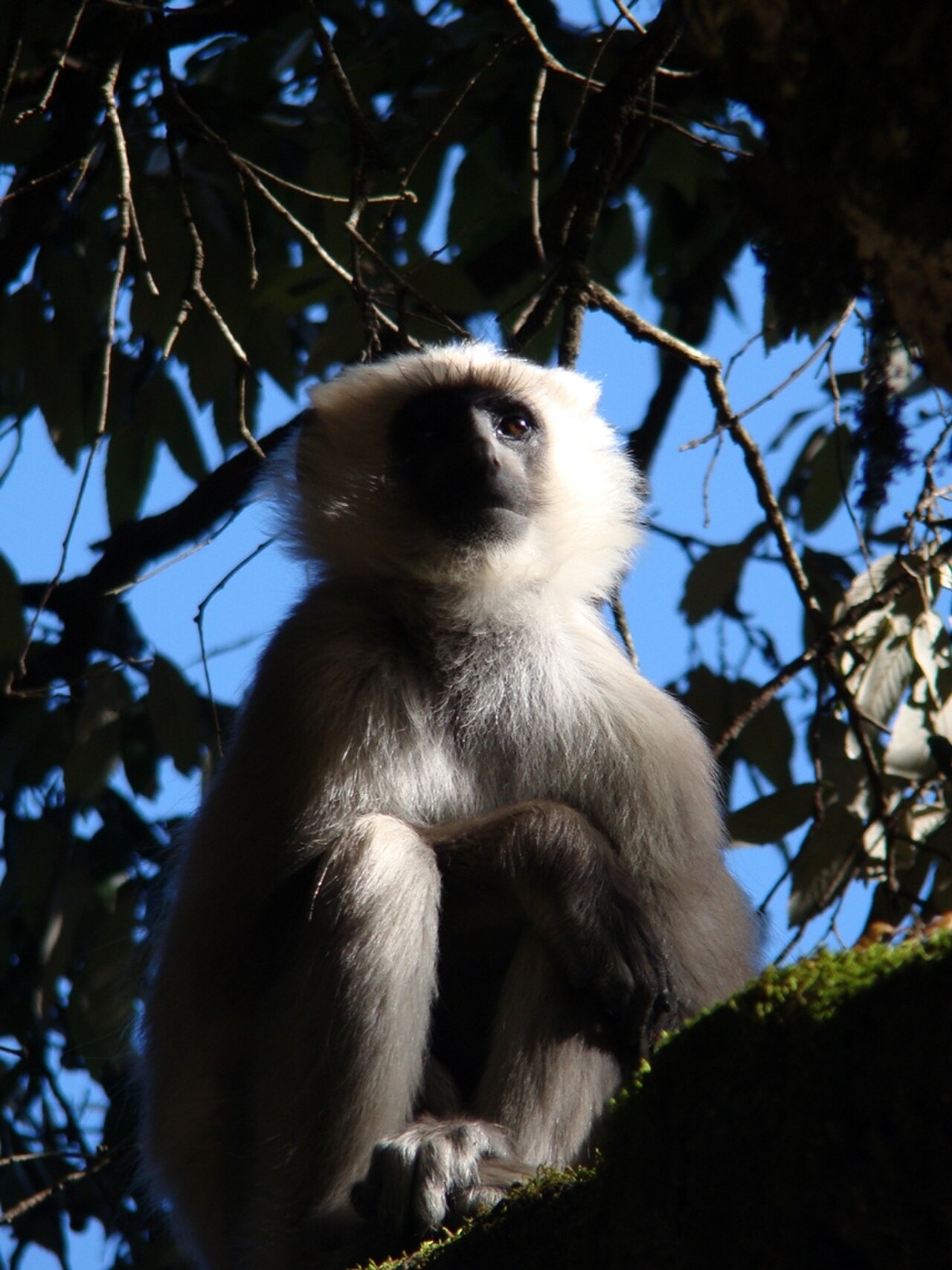
Licensed referenceNabarunsadhya / Public domain · cc0
—observations
—countries
—peak records
Near ThreatenedConservation statusIUCN Red List categoriesLCNTVUENCREWEXNear ThreatenedRed List categories, explained →
Diet & prey
- Leaves
- Fruits
- Flowers
Predators
- Bengal Tiger
- Leopard
- Dhole
ThreatsHabitat fragmentation, deforestation, urban encroachment, and road collision
HabitatsSubtropical broadleaf forests, sal forests, and foothill riverine woodlands
Life span18–25 years
Classification
- FamilyCercopithecidae
- SpeciesSemnopithecus hector
Range data is not available yet.
Interaction riskLow
- Low
- Moderate
- High
- Very high
- Why interaction risk is low
- Capable of delivering sharp bites if cornered or fed; observe quietly from a respectful distance.
- Why it is dangerous
- Large sharp canine teeth enable dominant adults to inflict deep wounds when threatened or defending their troop.
- How to recognize a risky encounter
- Look for a pale grey coat with yellowish tones on the head, long arched tail, and black facial skin.
- What to do
- Back away slowly if a troop moves into your path, and never attempt to feed or approach them.
- What to notice
- Recognizable by its pale yellowish crown, silver-grey body fur, and long tail held over the back.
- Support conservation
- Observe from designated forest trails and refrain from making loud noises that disturb troop dynamics.
Responsible observation
- Maintain Distance: Stay at least 15 meters away, particularly around troops with young infants.
- Do Not Feed: Offering food encourages aggressive habituation and disrupts natural foraging behavior.
- Avoid Direct Eye Contact: Prolonged staring or showing teeth can be interpreted as a threat or challenge.
 Image unavailable
Regional Neighbor 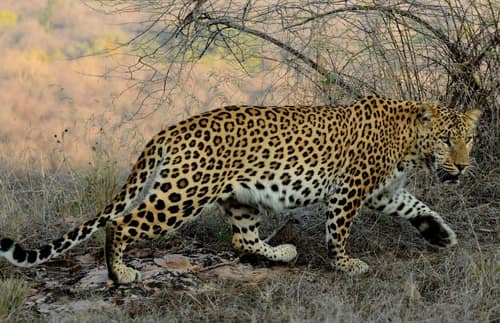
Predator (c) Raja bandi, some rights reserved (CC BY), uploaded by Raja bandi · cc-by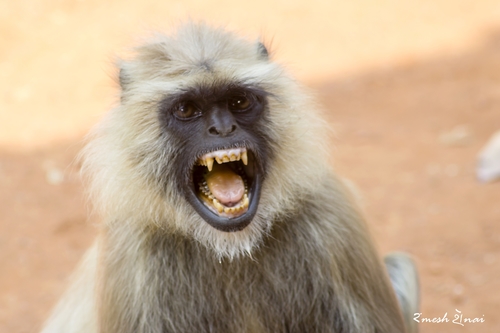
Close Relative (c) Ramesh Shenai, some rights reserved (CC BY), uploaded by Ramesh Shenai · cc-by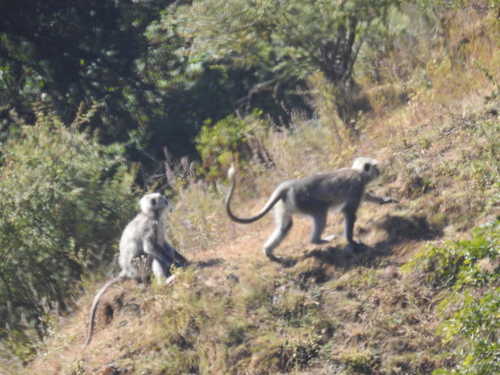
Close Relative (c) Suhel Quader, some rights reserved (CC BY), uploaded by Suhel Quader · cc-by
Help improve the field guideSomething wrong?
Checking your Fauna account…Report a name, category, or profile issue for review.