
Mammal · GBIF taxon 4267065
Germain's Langur
Trachypithecus germainiAlso known as Indochinese Lutung, Germain's Silvered Langur, Indochinese Silvered Langur
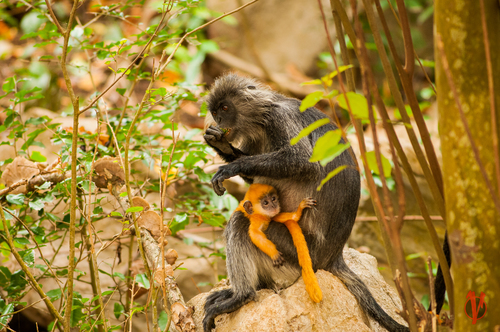
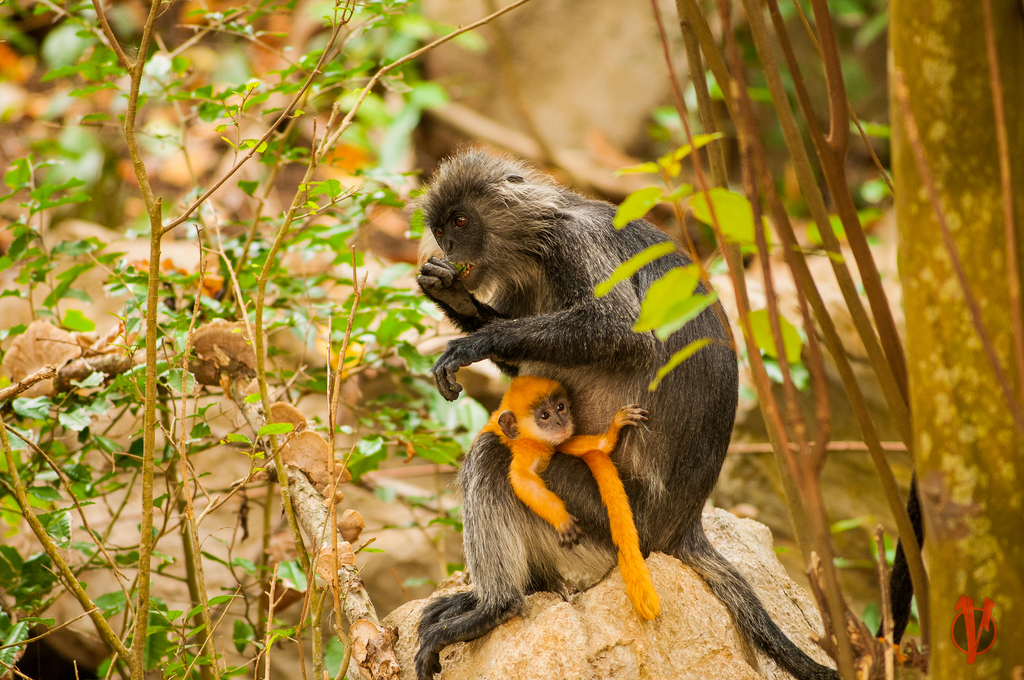
Germain's langurs are elegant, dark grey arboreal primates distinguished by long crests of hair atop their heads and prominent white-to-grey whiskers framing dark faces. Infants are born bright orange, turning dark grey as they mature over several months. These canopy-dwelling leaf eaters move in small family groups through dry evergreen, riverine, and mangrove forests across Mainland Southeast Asia.
ArborealFolivoreDiurnal
—observations
—countries
—peak records
EndangeredConservation statusIUCN Red List categoriesLCNTVUENCREWEXEndangeredRed List categories, explained →
Diet & prey
- Leaves
- Wild Fruits
- Flowers
Predators
- Clouded Leopard
- Dhole
- Large Pythons
ThreatsHabitat loss, agricultural conversion, and hunting for traditional medicine
HabitatsDry evergreen, riverine, mangrove, and mixed deciduous forests
Life span15–20 years
Size / weightNot available
Classification
- FamilyCercopithecidae
- SpeciesTrachypithecus germaini
Range data is not available yet.
Interaction riskLow
- Low
- Moderate
- High
- Very high
- Why interaction risk is low
- Observe quietly from a distance; wild primates can inflict bites if cornered or threatened.
- Why it is dangerous
- Possesses sharp canine teeth and strong jaws capable of inflicting severe puncture wounds and scratches if cornered.
- How to recognize a risky encounter
- Identified by grey-black fur, a pointed head crest, pale facial whiskers, and dark skin.
- What to do
- Maintain a respectful distance of at least 15 meters and never attempt to corner or feed individuals.
- What to notice
- Distinctive dark grey langur with an erect hair crest, pale whiskers, and long tail, seen in upper canopy layers.
- Support conservation
- Keep noise to a minimum, refrain from disclosing precise GPS coordinates of wild groups, and never purchase wild-caught pets.
Responsible observation
- Keep Your Distance: Use binoculars or a telephoto lens to view these shy canopy dwellers without causing distress.
- Avoid Direct Eye Contact: Staring directly at primates can be interpreted as a threat or aggressive challenge.
- Do Not Feed: Feeding wild monkeys disrupts natural foraging habits and increases human conflict.
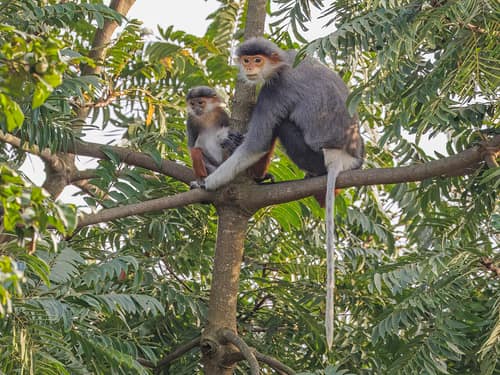
Frequent Companion Charles J. Sharp / CC BY-SA 4.0 · cc-by-sa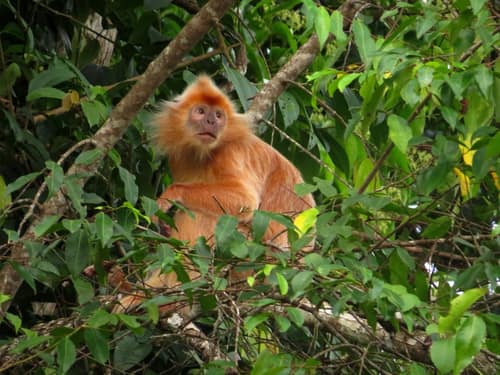
Close Relative (c) Paul Prior, some rights reserved (CC BY), uploaded by Paul Prior · cc-by Image unavailable
Close Relative 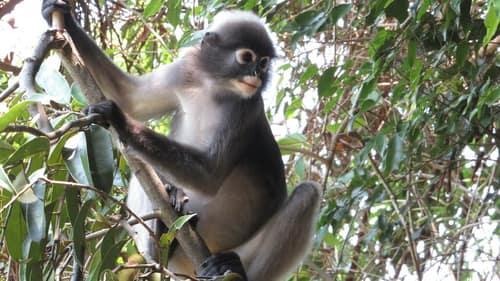
Close Relative no rights reserved, uploaded by Светлана Царахова · cc0
Help improve the field guideSomething wrong?
Checking your Fauna account…Report a name, category, or profile issue for review.