
Mammal · GBIF taxon 4262713
Dama Gazelle
Nanger damaAlso known as Addra Gazelle, Mhorr Gazelle
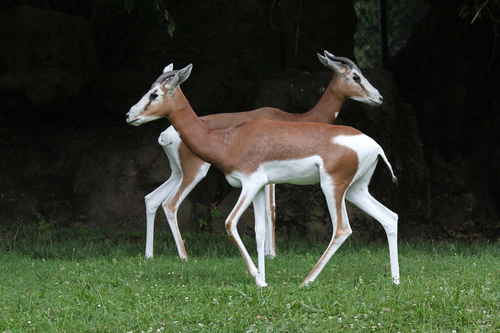
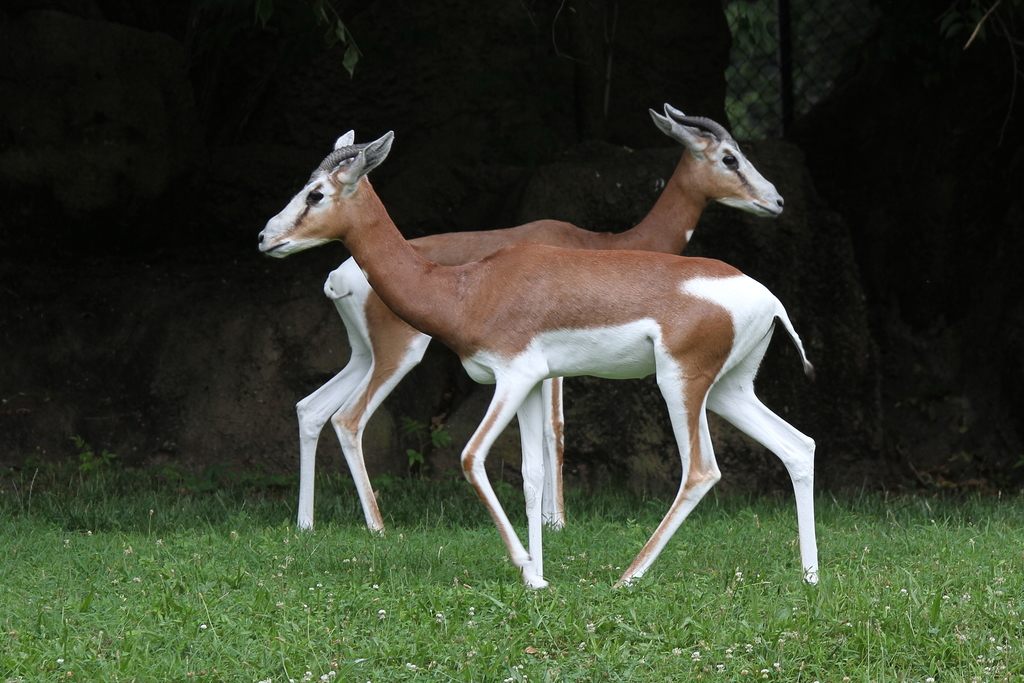
Dama gazelles stand as the largest of all gazelles, instantly recognizable by their unusually long legs, striking white body, and deep reddish-brown neck and shoulders. Able to survive weeks without direct water, these desert specialists frequently rear up on their hind legs to browse high acacia branches and tender tree leaves. Extinct across most of their historical North African range, tiny remnant populations endure in hyper-arid habitats of the Sahel.
DesertHerbivore
—observations
—countries
—peak records
Critically EndangeredConservation statusIUCN Red List categoriesLCNTVUENCREWEXCritically EndangeredRed List categories, explained →
Diet & prey
- Acacia leaves
- Desert shrubs
- Wild melons
Predators
- Lions
- Cheetahs
- Leopards
ThreatsOverhunting, uncontrolled poaching, livestock competition
HabitatsSemi-deserts, grasslands, shrublands, open savanna
Life span10–12 years in wild (up to 19 in captivity)
Size / weightNot available
Classification
- FamilyBovidae
- SpeciesNanger dama
Range data is not available yet.
Interaction riskLow
- Low
- Moderate
- High
- Very high
- Why interaction risk is low
- Safe to observe at a respectful distance.
- What to notice
- Look for a large white-and-chestnut gazelle with distinct lyre-shaped horns and remarkably long legs.
- Support conservation
- Maintain maximum distance, avoid using drones, and never share exact real-time GPS coordinates of wild sightings.
Responsible observation
- Observe from afar: Use binoculars or a spotter scope to avoid startling these skittish antelopes.
- Support conservation: Contribute to accredited African wildlife reserves protecting Sahelian fauna.
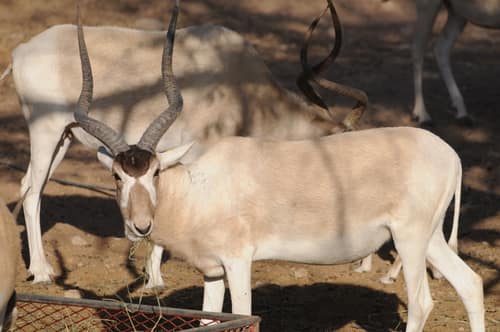
Frequent Companion (c) shankar s., some rights reserved (CC BY) · cc-by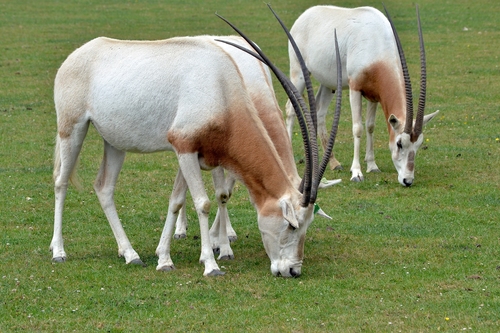
Habitat Neighbor (c) Chris K, some rights reserved (CC BY-SA) · cc-by-sa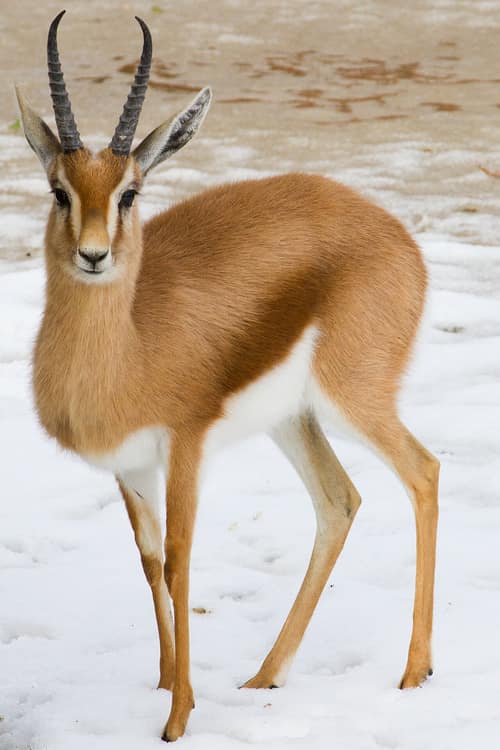
Close Relative Khendon / CC BY-SA 3.0 · cc-by-sa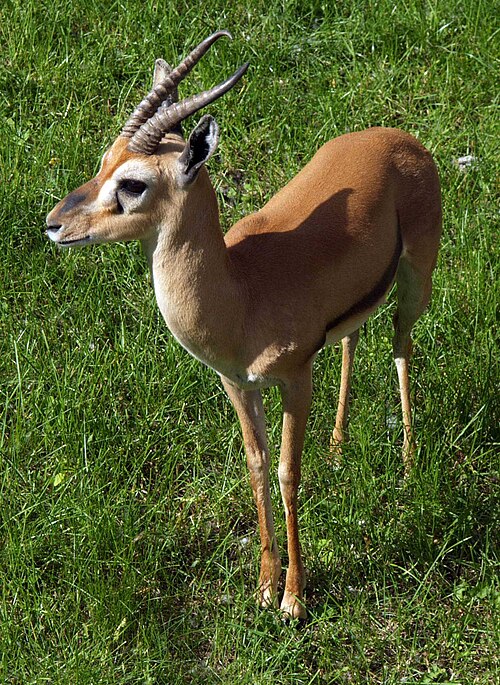
Close Relative Chepry 💬 (Andrzej Barabasz) 📷 🇵🇱 / CC BY-SA 3.0 · cc-by-sa
Help improve the field guideSomething wrong?
Checking your Fauna account…Report a name, category, or profile issue for review.